
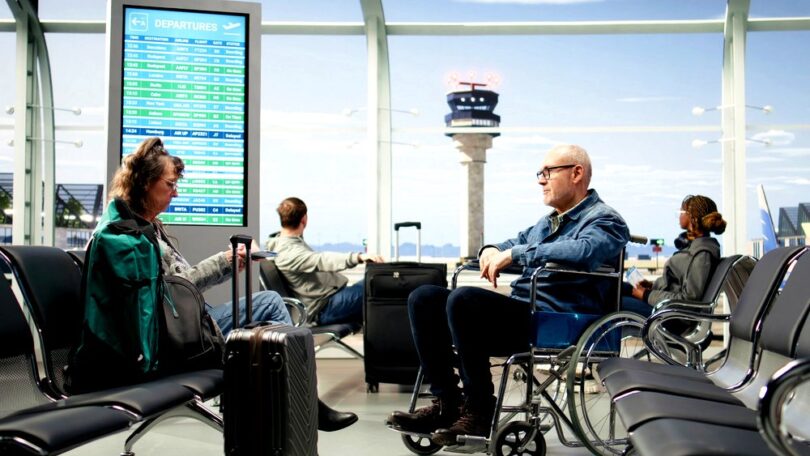

Traveling can be a tremendous source of joy and adventure, offering enriching experiences that broaden one’s perspective. However, for individuals with disabilities or mobility limitations, traveling can present unique challenges. By understanding and addressing these barriers, we can make travel more inclusive and accessible to everyone, enriching society as a whole.
Accessible transportation, accommodations, and public spaces play a crucial role in ensuring that all travelers can enjoy their journeys with confidence and independence. Advances in accessibility standards and assistive technologies have helped create more opportunities for individuals with varying needs to explore new destinations. As awareness continues to grow, businesses and communities are increasingly recognizing the value of inclusive travel, making it easier for everyone to participate in meaningful and memorable experiences.
Understanding the Challenges Faced by Travelers with Disabilities
People with disabilities encounter various obstacles that can complicate travel, from physical barriers to a lack of adequate facilities. According to the Bureau of Transportation Statistics, approximately 18.6 million Americans are limited in traveling due to disabilities. Recognizing these challenges is the first step in creating an inclusive travel environment.
One significant obstacle is the accessibility of transportation. While developments have been made, many transportation modes still lack adequate facilities for people with mobility limitations. The presence of stairs, narrow spaces, and insufficient handicap features can make it difficult for individuals to fully participate in travel activities.
Furthermore, the communication barrier can be an additional hurdle. Language and signage that are not designed with inclusivity in mind can alienate those with different needs. By adopting universal design principles, travel experiences can be more accommodating to all.
Improving Travel Facilities for Better Accessibility
Advancements in infrastructure and technology have the potential to significantly enhance travel accessibility. The year 2023 witnessed a decrease in fatal slips, falls, and trips by 4.6%, as reported by the Bureau of Labor Statistics, which indicates progress in safety measures. Increasing the availability of ramps, elevators, and accessible bathrooms can alleviate many of the difficulties faced by those with disabilities.
Another aspect of making travel easier is improving the digital experience. Enhanced online resources can provide travelers with disabilities vital information on accessibility features of their destinations. Detailed maps, reviews, and virtual tours can empower travelers to plan trips with confidence.
Collaboration among stakeholders—government bodies, businesses, and advocacy groups—plays a crucial role in fostering a culture of inclusion. Ongoing partnerships and dialogues can help tailor solutions to the diverse needs of travelers with disabilities, ensuring that improvements are both practical and sustainable.
The Economic Impact of Accessible Travel
Inclusive travel not only improves the personal experiences of individuals with disabilities but also benefits the economy. Encouraging more travelers with disabilities to participate in the tourism economy leads to greater revenue growth. For instance, disabled individuals and their dependents comprised 11.6% of all Social Security benefits in 2022, as per the Social Security Administration, highlighting a significant segment of the population with spending power.
Moreover, implementing accessible travel solutions can create new job opportunities within the travel and hospitality sectors. This can range from specialized customer service roles to infrastructure development, all of which contribute to economic dynamism. Such opportunities indirectly support social inclusion by providing employment opportunities tailored to those with disabilities.
The ripple effect of accessible travel extends beyond financials, creating a more socially representative community. When people with disabilities are enabled to travel freely, it facilitates cultural exchange and mutual understanding. In turn, this strengthens the societal fabric by promoting diversity and acceptance.
Making travel accessible for those with disabilities and mobility limitations is a multidimensional endeavor that requires coordinated efforts. By integrating improved accessibility features, inclusive design, and economic considerations, we can cultivate a travel industry that welcomes everyone. With continued advocacy and innovation, travel can truly become a right of passage for all, irrespective of physical abilities.