
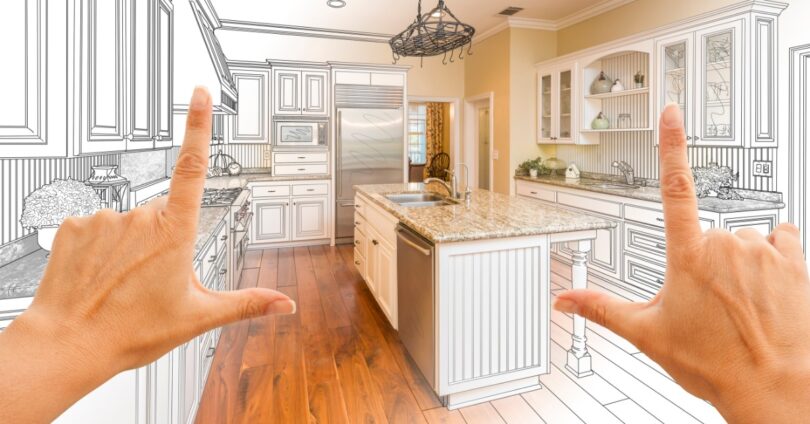

A beautiful kitchen should do more than impress guests. It should support everyday routines while reflecting your personal style. Smart decisions help every design choice contribute to comfort and lasting value. Planning a balanced kitchen combines style and functional features that simplify your daily habits.
Start With an Efficient Floor Plan
Every successful kitchen begins with a layout that supports daily movement. Consider how family members prepare meals and gather throughout the day. Place key work areas where they encourage smooth transitions between tasks. A thoughtful floor plan prevents congestion while creating an inviting atmosphere.
Choose Materials That Last
Cabinets, countertops, and flooring should complement one another while standing up to everyday use. Durable materials maintain their appearance despite frequent cooking and cleaning.
Neutral finishes create flexibility when decorating styles change over time. Mixing textures also adds personality without overwhelming the space.
Make Storage Work Smarter
Storage should simplify organization instead of hiding clutter behind closed doors. Deep drawers, pull-out shelves, and pantry organizers keep frequently used items within easy reach. Custom storage solutions help maximize every available inch. Organized cabinets also reduce frustration during busy mornings and family dinners.
- Install drawer organizers for utensils and cooking tools.
- Add pull-out shelves to lower cabinets.
- Include pantry storage for dry goods and small appliances.
- Reserve dedicated spaces for recycling and waste bins.
Design Around Daily Activities
Every household uses the kitchen differently, so design choices should reflect those habits. Families who cook often benefit from generous prep space and accessible storage.
Frequent entertainers may prefer larger islands that encourage conversation and serving. Remember that appliance layout affects kitchen workflow, making thoughtful placement an important part of the overall design.
Add Lighting With Purpose
Lighting shapes both the appearance and functionality of a kitchen. Layer overhead fixtures with task lighting beneath cabinets to brighten work surfaces. Decorative pendants add character while creating visual interest above islands or dining areas. Natural light also enhances colors and makes the room feel larger.
Blend Color With Practical Features
Color introduces personality without sacrificing usability when applied carefully. Warm neutrals create timeless appeal, while bold accents refresh the space with modern energy.
Hardware, backsplashes, and decorative accessories allow homeowners to update the look without major renovations. Coordinating finishes throughout the room creates a polished appearance.
Focus on Comfort and Flexibility
Comfort should remain a priority throughout the planning process. Comfortable seating encourages family gatherings and casual meals throughout the week. Flexible spaces adapt easily to changing lifestyles, whether someone works from home or enjoys hosting friends. A kitchen that balances style and function continues to serve the household beautifully for years.