
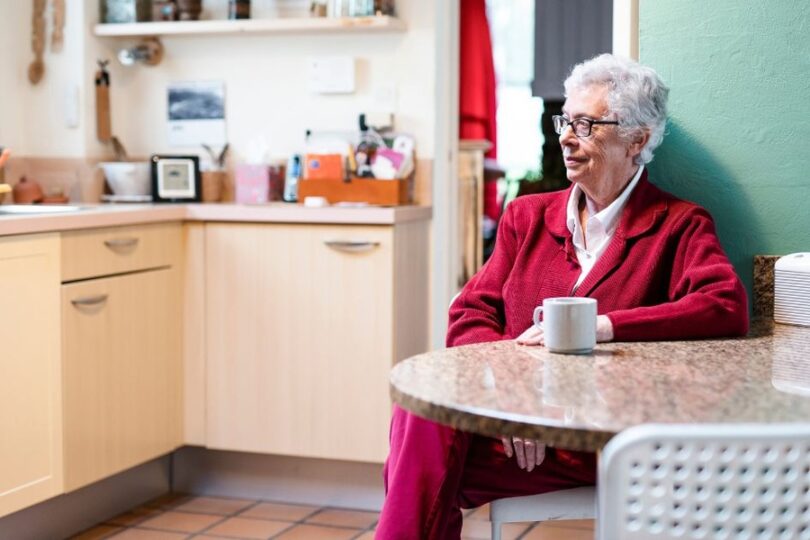

Living alone after 60 comes with a particular kind of quiet courage. Normal health decisions can feel heavier without someone nearby to help you gauge the situation. Knowing when to call 911 vs. when to monitor at home can protect your health and even save your life. This guide cuts through the confusion and gives you the tools to act fast when it matters most.
Signs That Demand a 911 Call
Some serious symptoms require emergency help without hesitation. Call 911 immediately if you experience chest pain or sudden difficulty breathing. Stroke warning signs, such as slurred speech and facial drooping, also demand an emergency call. Sudden numbness on one side of your body signals a potential crisis that needs a paramedic, not a wait-and-see approach.
If you lose consciousness or feel severely confused, call for help without delay. Paramedics can start treatment before you reach the hospital, and that rapid intervention can protect your health and speed up your recovery.
When Home Monitoring Makes Sense
Not every health concern requires a 911 call. A mild headache that fades with water and rest, or a small cut that stops bleeding with gentle pressure, may not warrant emergency attention. Monitor your symptoms closely and note any changes in intensity or duration.
A good rule of thumb: if your condition worsens within 30 minutes or you’re unsure what you’re experiencing, call your doctor or a nurse advice hotline. Trust yourself to assess the situation calmly before rushing into an unnecessary, potentially costly emergency room visit.
What to Do During a Seizure or Fall
Falls and seizures can strike without warning. The emergency response steps for seizures and epilepsy give you a powerful tool to manage a health crisis, even when you live alone. If you feel a seizure coming on, lower yourself to the floor and move away from sharp or hard objects.
Call 911 if the seizure lasts longer than five minutes or if you injure yourself. After a fall, check yourself for pain or swelling before you attempt to stand. If you cannot get up safely, call for help right away.
How to Prevent Falls Before They Happen
The fall prevention tips every older adult should know start with a simple home safety check. Remove loose rugs from high-traffic areas and install grab bars near the toilet and shower. Good lighting in hallways and stairwells significantly reduces nighttime trip hazards.
Talk to your doctor about any medications that may cause dizziness, and ask about balance exercises to strengthen your legs. A medical alert device also gives you a reliable way to call for help fast if you do fall. Small, intentional changes at home can impact your daily safety.
When you know when to call 911 vs. when to monitor at home, you gain the confidence to respond to any health situation. Keep emergency numbers posted near your phone, and share your health history with a trusted friend or neighbor. Your safety starts with knowledge, so keep learning, stay prepared, and trust yourself to make the right call when it matters most.