
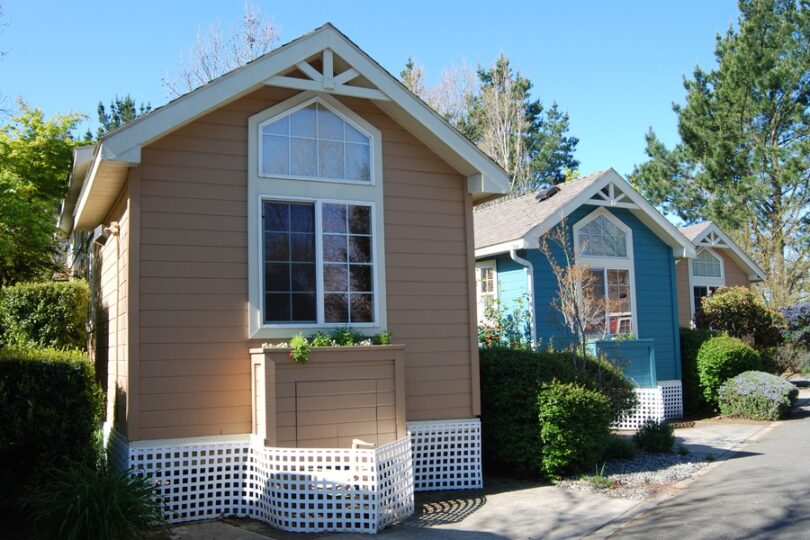

You don’t need a big property to be a successful Airbnb host. Many guests search for unique, memorable stays that don’t require vast square footage. Creative small spaces that shine on Airbnb often combine smart design, thoughtful amenities, and distinctive character. Your compact rental can outperform larger properties if you know how to use space.
Small properties also present a practical advantage for hosts. They cost less to maintain, require fewer furnishings, and encourage focused design decisions that elevate the overall guest experience.
Why Small Spaces Appeal to Airbnb Guests
Travelers increasingly prioritize experience over size. A well-designed studio, tiny home, or converted structure often feels more special than a generic hotel room or large but uninspired rental.
Guests also appreciate simplicity. A smaller property encourages efficient layouts that eliminate clutter and highlight essential comforts. Clear organization, cozy sleeping areas, and thoughtful lighting all create a sense of calm that many travelers seek during short stays. Location also plays a role. Hosts frequently place smaller rentals in scenic areas, urban backyards, or creative settings that larger developments cannot easily accommodate.
Design Choices That Maximize Limited Space
Successful small Airbnb properties require smart designs. Multifunctional furniture can make a big impact. A dining table that doubles as a workspace, a sofa that converts into a bed, or built-in storage beneath seating areas allows hosts to maintain comfort without taking up too much usable space.
Vertical design also improves functionality. Shelving, wall-mounted lighting, and elevated storage keep surfaces clear and facilitate visual openness. Large windows and light color palettes further expand the feeling of space by bringing in natural light. Smart layouts also allow guests to move easily through the property. Even small changes in furniture placement can improve comfort and accessibility.
Unique Structures Create Memorable Stays
Many hosts elevate small rentals by choosing unconventional structures. Converted sheds, tiny homes, and modular builds spark visual appeal that stands out in listing photos. These properties also attract travelers seeking something different from standard accommodations.
Container-based properties are an exciting option. When designed carefully, energy-efficient permanent container buildings provide durable structures that adapt well to small-space living. Their compact footprint encourages creative layouts while supporting sustainability goals that appeal to environmentally conscious travelers.
Distinctive architecture often turns a simple stay into a memorable experience. Guests frequently select properties based on uniqueness as much as convenience.
Amenities Matter More in Smaller Rentals
Limited square footage means every feature must serve a purpose. High-quality mattresses, comfortable seating, reliable Wi-Fi, and simple kitchen essentials are more important than extra rooms.
Outdoor areas can also expand the perceived size of a rental. A small patio, fire pit, or seating area creates an additional gathering space that guests appreciate, especially for longer stays. Thoughtful touches such as good lighting, local decor, and organized storage help guests settle in quickly.
Small Spaces Can Deliver Big Hosting Success
Hosts often find that creative small spaces truly shine on Airbnb listings. Strategic layouts, distinctive architecture, and guest-focused amenities transform compact properties into highly desirable stays. A small rental can offer a memorable experience that encourages positive reviews, repeat bookings, and long-term hosting success.