
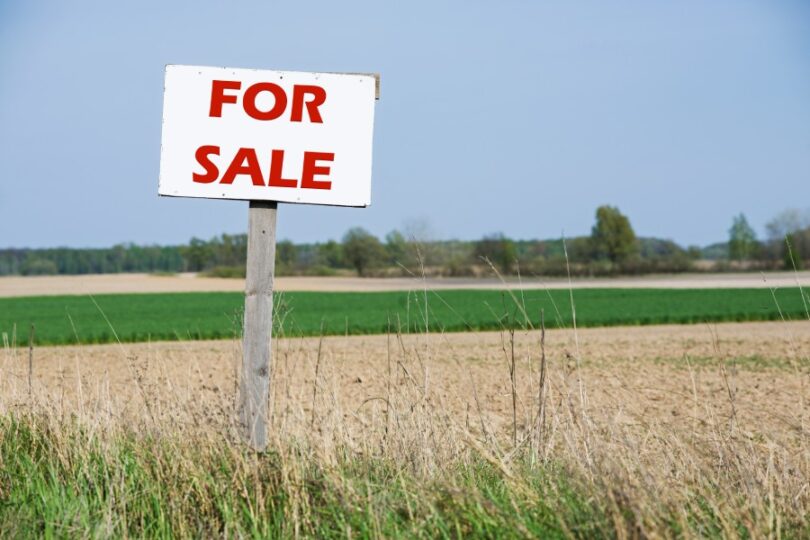

Selling a farm isn’t just about putting a “For Sale” sign on a fence post. Whether you inherited a plot far from where you live or you’ve been holding onto agricultural land as a savvy investment, getting top dollar requires a modern strategy.
That’s because the market is shifting, and buyers are looking for more than just acreage. If you want to maximize your returns, you need to approach the sale with the same precision you’d use for a luxury condo in the city. To achieve this, we have some helpful tips for maximizing returns on a farmland sale.
1. Understand the Market
Before you list, you need to know exactly what you’re sitting on. Are buyers in your specific region looking for agricultural staples, or is there a surge in demand for development land?
Research recent sales in the area to gauge pricing, but don’t stop there. Look at how they sold. In some hot markets, a traditional listing works best. In others—especially where competition is high—an auction might drive the price up significantly. Knowing whether to choose a sales listing or auction for your farmland will be key to increasing your potential profits.
2. Enhance Curb Appeal
Yes, curb appeal matters for large plots of dirt, too. It might not be as glamorous as staging a living room, but first impressions still count. Clear out old debris, repair broken fences, and ensure access roads are clear.
If you have unique features—like high-quality soil tests, water rights, or existing infrastructure—make sure they are front and center. Buyers want to see potential, not a project list.
3. Leverage Professional Expertise
Selling farmland is a niche game. A residential agent who sells bungalows in Silver Lake might not know how to value irrigation systems or soil productivity.
That’s why it’s crucial to partner with a real estate professional who specializes in land sales. They can help you get a proper appraisal so you don’t leave money on the table. They can also advise on whether your specific plot is better suited for a private treaty sale or the competitive heat of an auction.
4. Highlight Potential Uses
Don’t assume buyers see what you see. Spell out the versatility. Is the land perfect for organic farming? Could it be subdivided for development? Is it a prime spot for weekend recreational use?
Provide data on successful neighboring properties to back up your claims. If a vineyard next door is thriving, make sure potential buyers know your soil is just as good.
5. Market Strategically
Grainy photos taken from a truck window won’t cut it anymore. To attract serious investors and developers, you need high-quality visuals. Drone footage is practically mandatory now—it shows the scale, the topography, and the surrounding area in a way ground-level photos can’t.
To truly maximize your returns from a farmland sale, you need to get your listing on platforms specifically targeting farmers, land investors, and developers. The buyer who is willing to pay what your property is worth is out there; you just need to make sure they have the ability to find it in the first place.