

Everyone wants a safe home. That’s why it’s essential to know how to identify potential dangers, as it helps you protect your living space and loved ones from unexpected emergencies.
Continue reading to ensure you and your home are safe and secure. Here are five of the most common fire hazards in residential buildings.
Faulty Wiring
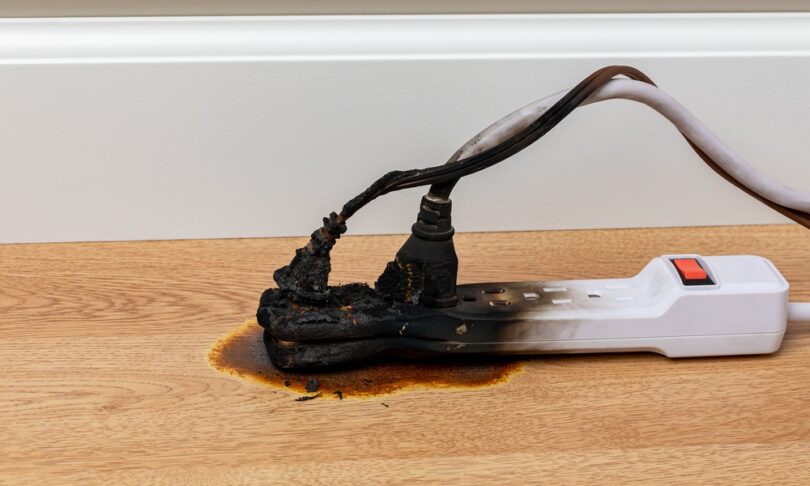
Old or damaged electrical wiring creates a serious risk. Overloaded outlets, frayed cords, and outdated systems can overheat and spark a fire. Regularly check your cords for signs of wear and avoid plugging too many appliances into one outlet. If you notice flickering lights or circuit breakers that trip frequently, contact a qualified electrician to inspect your home’s wiring.
Cooking Mishaps
The kitchen remains a primary source of home fires. Unattended cooking, flammable items near the stove, and grease buildup all pose threats. Keep dish towels, paper products, and curtains out of the way of your stovetop. Make sure to clean up grease spills after cooking. And remember to never leave your cooking unattended, even for a moment.
Heating Equipment
Portable space heaters and central heating systems can cause fires if not properly maintained or used. To ensure safety, keep flammable objects, like blankets and furniture, at least three feet away from any heating source. Regular maintenance is crucial! It’s recommended that you have your furnace inspected and serviced annually by a professional to keep it running safely.
Candles and Smoking
An open flame, no matter how small, can ignite nearby materials, leading to potential fires. Never leave a burning candle unattended, and always place it on a stable, heat-resistant surface away from flammable items. If someone smokes in your home, provide deep, sturdy ashtrays to contain smoking materials safely.
Encourage them to smoke outdoors whenever possible to minimize the risk of exposure, fire hazards, and smoke-related accidents. Always be vigilant and proactive about fire safety to protect your home and loved ones.
Poorly Maintained Fire Escapes
A blocked or broken fire escape turns a safety feature into a hazard. Obstructions, such as plants, furniture, or debris, can prevent a quick exit during an emergency. It’s important to understand proper fire escape safety to keep your exit routes clear and usable. Routinely inspect the structure for stability and report any damage to your building manager immediately.
Knowing the most common fire hazards in residential buildings is the first step toward prevention. By taking simple precautions and performing regular checks, you can safeguard your home and everyone in it.