
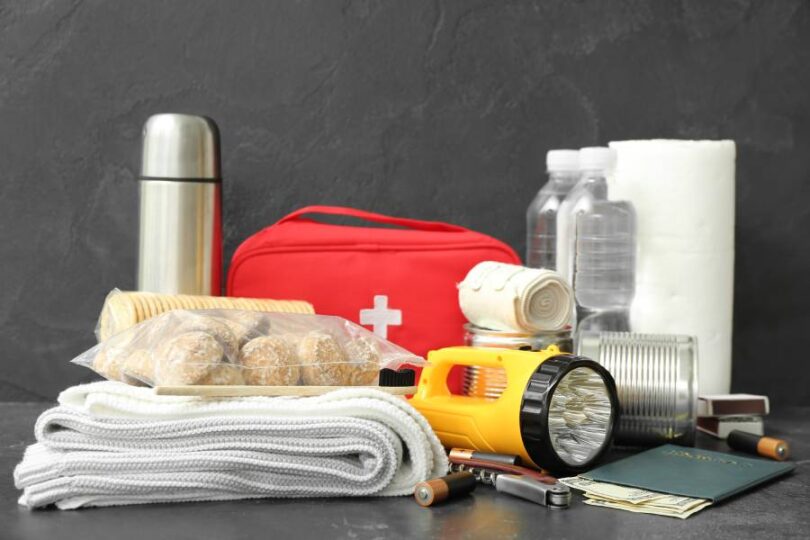

Emergencies don’t knock before they arrive, unfortunately. They can range from natural disasters like hurricanes and tornados to security threats and power outages. Having a fully equipped safe room can provide you and your family with comfort, safety, and even survival during these unexpected moments. Whether you’re building a safe room in your existing home or revamping a current setup, creating a checklist and checking it twice will keep you from missing critical items.
But what exactly should you include in your emergency stash to stay prepared? Here’s the checklist of a lifetime that includes what to put in your safe room.
Choosing the Right Spot for Maximum Safety
Before curating your safe room inventory, it’s vital to make sure you’ve chosen the best location. A safe room should ideally be situated in a central and accessible location within your home, such as a basement or an interior room with no external walls or windows.
Sturdy materials, such as reinforced concrete or steel, add an additional layer of protection. Once you’ve identified the perfect spot, it’s time to stock it properly.
Supplies You Simply Cannot Go Without
Every safe room should have basic survival supplies to sustain everyone inside for at least 72 hours. Start with non-perishable foods: canned goods, protein bars, and dehydrated meals. Pack enough bottled water to provide one gallon per person per day. Don’t forget sanitation essentials, such as a portable toilet, trash bags, and hand sanitizer.
Beyond the basics, you should include a first-aid kit filled with bandages, antiseptic, tweezers, and any prescription medications needed by members of your household. Include blankets, a change of clothing or two, and shoes to ensure greater comfort.
Stay Connected and Navigate Crisis
Reliable communication and navigation tools are essential in times of crisis. Invest in a battery-powered or hand-crank radio to stay updated on the latest weather and emergency broadcasts. Additionally, keeping fully charged power banks and a solar-powered charger on hand can keep your devices functional if electricity is unavailable or the power grid goes down.
Store a flashlight along with extra batteries to illuminate your space, along with a map of your area so you’ll be prepared for evacuation scenarios. Finally, an emergency whistle is excellent for signaling rescuers if you’re in a compromised situation.
Strengthening Security Inside and Out
A safe room serves as a refuge, but security measures ensure it remains impenetrable. Reinforce the door with heavy-duty hinges and deadbolt locks to deter intruders. Install an alarm system that triggers a notification if the door or surrounding areas are tampered with.
Another essential layer of modern safety is a hidden security camera. This will allow you to monitor activity outside your safe room in real-time using a phone or tablet. For added protection, consider a backup keypad inside the safe room to alert external authorities, if necessary.
Taking the time to properly build and stock a safe room in your home with this checklist might seem like an overwhelming, unnecessary task. But it’s one worth doing for the peace of mind it brings. The goal is to be prepared and hope you never need it, rather than needing it and having nothing in place.