
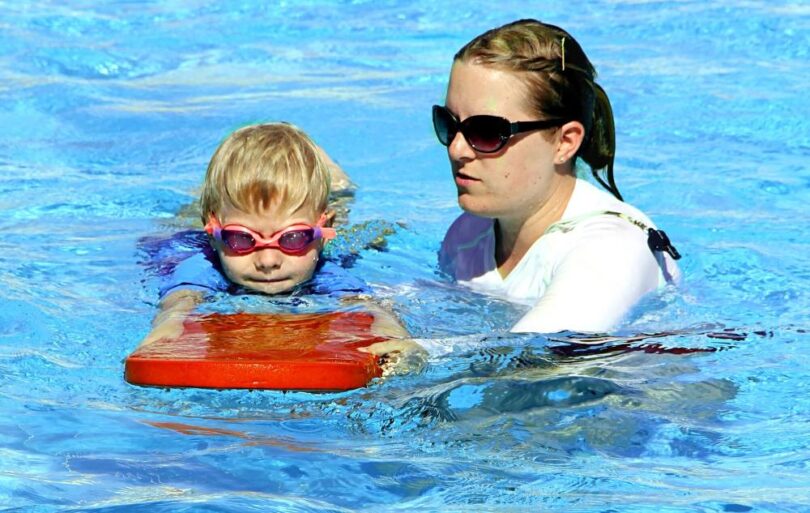

Swimming is an essential life skill that offers numerous benefits for children, from safety to health. Whether it’s the thrill of a summer holiday at the beach or the assurance of knowing your child is safe around water, the ability to swim is invaluable. This blog will provide you with practical tips on how to ensure your kids become great swimmers. You’ll learn about early exposure, safety precautions, choosing the right instructor, and more.
Early Exposure to Water
Introducing children to water at an early age can make a significant difference in their comfort and proficiency. Babies as young as six months can start getting accustomed to the water. Early exposure helps to eliminate fear and builds a natural affinity towards swimming. You don’t need to enroll them in formal lessons immediately; even simple activities like playing in a shallow pool or bathtub can be beneficial.
Start Small
Begin by allowing your child to play with water toys or splash around in a kiddie pool. Familiarity with water can make the transition to swimming lessons smoother. These early experiences create positive associations with water, making your child more receptive to learning how to swim later on.
Parent-Child Water Activities
Engage in parent-child water activities to build trust and comfort. Holding your baby while walking in a shallow pool, blowing bubbles together, or singing water-related songs can make the experience enjoyable and less intimidating for your child.
Gradual Introduction
Gradually introduce more complex water activities as your child grows older. Moving from playing in a kiddie pool to floating with assistance in a larger pool helps children adapt to different water settings. The gradual approach ensures that they do not feel overwhelmed.
Safety Precautions
Safety should always be the top priority when it comes to swimming. The following tips will help ensure that your child’s swimming environment is secure and conducive to learning.
Supervision Is Key
Never leave your child unattended near water. Always ensure that there is an adult who can swim present. Supervision is crucial, even if your child is a competent swimmer. Accidents can happen unexpectedly, and having a vigilant eye can prevent mishaps.
Pool Safety Measures
Implement safety measures such as installing pool fences, using pool covers, and ensuring that life-saving equipment is readily accessible. These precautions can significantly reduce the risk of accidents.
Swim Gear
Equip your child with appropriate swim gear, including floatation devices, goggles, and swim caps. Floatation devices provide an added layer of safety for beginners, while goggles can protect your child’s eyes and help them see clearly underwater.
Choosing the Right Instructor
Selecting a qualified swimming instructor is crucial for your child’s learning and safety. And, when it comes to kids how to swim lessons, one size does not fit all. Looking online or asking for recommendations from other parents can help you find the perfect instructor and program for your child. Here are a few qualities to look for in an instructor:
Credentials Matter
Ensure that the instructor has the necessary certifications and experience in teaching children. Look for qualifications such as CPR certification and a background in physical education or child development.
Teaching Style
Observe the instructor’s teaching style. They should be patient, encouraging, and able to communicate effectively with children. An instructor who can make lessons enjoyable will keep your child engaged and motivated.
Class Size
Opt for smaller class sizes. Individual attention can make a significant difference in your child’s progress. Smaller groups allow instructors to provide personalized feedback and ensure that each child receives adequate supervision.
Consistency and Patience
Consistency and patience are vital for developing swimming skills. Like any other skill, swimming requires regular practice and encouragement.
Regular Practice
Schedule regular swimming sessions for your child. Consistency helps reinforce learned skills and builds muscle memory. Even short, frequent sessions are more beneficial than sporadic lengthy ones.
Parental Support
Your encouragement and involvement can greatly influence your child’s enthusiasm and persistence. Celebrate their progress, no matter how small, and provide positive reinforcement.
Avoid Pressure
Avoid putting undue pressure on your child to perform. Every child learns at their own pace. Pressuring them can lead to anxiety and reluctance to participate in swimming activities.
Overcoming Fear of Water
Fear of water is common among children but can be overcome with the right strategies and patience.
Build Trust
Start by building trust with your child. Ensure they feel safe and supported in the water. Be patient and avoid forcing them into activities they are not comfortable with.
Gradual Exposure
Gradually increase your child’s exposure to water. Start with shallow water activities and slowly progress to deeper areas. This step-by-step approach helps them gain confidence.
Positive Reinforcement
Use positive reinforcement to encourage your child. Praise their efforts and celebrate small victories. Positive experiences will help diminish their fear over time.
Swimming is an invaluable skill that offers lifelong benefits. By introducing your child to water early, ensuring their safety, choosing the right instructor, maintaining consistency, helping them overcome fear, and celebrating their progress, you set them up for success. Investing in your child’s swimming abilities not only promotes their health and safety but also fosters confidence and enjoyment.
Ready to take the plunge? Start incorporating these tips today and watch your child transform into a great swimmer. If you need further guidance, consider booking a session with our experienced swimming coaches. Happy swimming!