


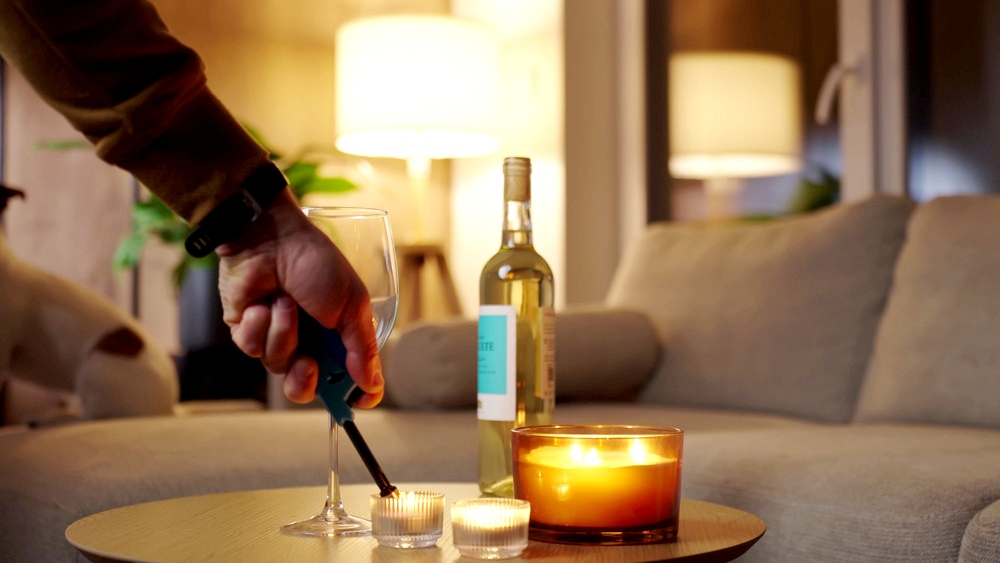
Fashion has always been a driving force in shaping consumer behavior and preferences. In particular, the allure of jewelry and candles has been significantly swayed by fashion trends. This article explores how the ever-evolving fashion industry impacts consumer demand for these luxury items.
The Role of Social Media in Fashion-Driven Consumer Preferences
Social platforms like TikTok, Instagram, and YouTube have revolutionized the way consumers discover products. According to TechDogs, these platforms now account for 60% of all product discoveries, overshadowing traditional search engines like Google. This shift highlights the importance of visual storytelling in fashion marketing, particularly for luxurious items like jewelry and candles.
Influencers and fashionistas leverage these social platforms to highlight their latest accessory choices, heavily influencing consumer demand. The appeal of jewelry and candles is often linked to the lifestyle portrayed by these influencers, making them highly sought-after products. As fashion trends evolve, consumers are consistently exposed to new shopping inspirations and desires.
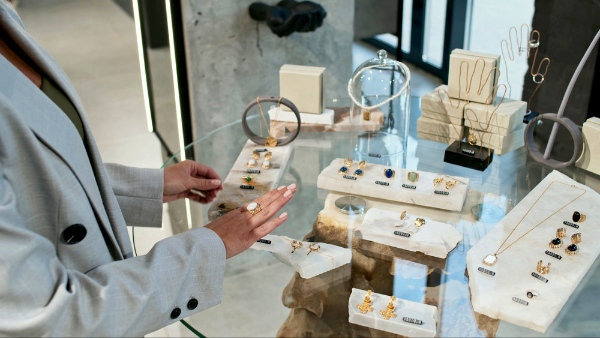
The integration of fashion content into social media has transformed these platforms into virtual shopping malls. Users get exposed to curated fashion experiences, making them more inclined to purchase trend-driven items. Consequently, brands and producers must adapt their strategies to align with the ever-changing fashion landscape.

Jewelry Manufacturing and Fashion Trends
In the United States, the domestic jewelry manufacturing sector is bustling, housing over 10,200 active facilities producing fine, fashion, and silverware items. According to IBISWorld, these manufacturers continuously innovate and adapt to the latest fashion trends to cater to consumer demands. The cyclical nature of fashion ensures a persistent demand for new and unique jewelry designs.
The influence of fashion is apparent in the types of jewelry that gain popularity. Pieces that align with current fashion trends often see increased demand, leading manufacturers to keep a close eye on runway shows and celebrity endorsements. This synergy between fashion and jewelry provides consumers with an ever-changing selection of products to express their personal style.
With fashion playing such a significant role, the jewelry industry remains agile and responsive to consumer preferences. Many manufacturers are now incorporating sustainable practices to meet growing consumer expectations for ethical fashion. By doing so, they ensure that their offerings remain relevant and desirable in a competitive market.
The Fashionable Allure of Candles
The candle industry, much like jewelry, is heavily influenced by fashion trends. U.S. retail sales of candle products amount to roughly $3.14 billion annually. This demand is often sparked by the fashionable appeal that candles hold as lifestyle enhancers and personal style statements.
As fashion influences the aesthetics and aromas of candles, consumers are drawn towards products that complement their home decor and personal scent preferences. Brands often release seasonal collections, inspired by the latest fashion trends, to captivate consumers looking for trendy additions to their spaces. This not only enhances the atmosphere of a room but also reflects the consumer’s fashion-forward mindset.
Fashion-forward candles have become a staple in home decor due to their versatility and ability to reflect individual style. The intersecting interests of fashion and home enhancement ensure that candles remain an essential part of consumer demand. Brands continuously innovate, offering candles in unique forms and fragrances to keep pace with changing trends and consumer desires.
Fashion’s influence on consumer demand for jewelry and candles is undeniable, with social media amplifying this effect. As fashion trends continue to evolve, so too do consumer preferences, with both jewelry and candles being prime examples of fashion-driven demand. By understanding these trends, manufacturers and brands can effectively cater to the sophisticated tastes of fashion-savvy consumers.
The ongoing interaction between fashion, social platforms, and consumer preferences creates a dynamic landscape for luxury items. Whether it’s through a stunning piece of jewelry or a carefully curated candle collection, fashion remains central to consumer choices. Staying attuned to these shifts ensures that brands can thrive in a competitive market.