


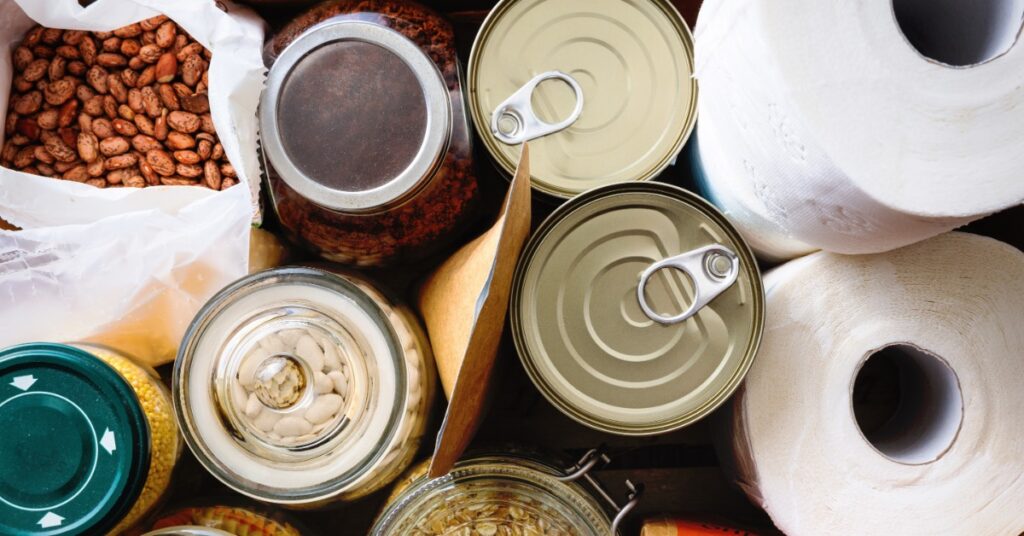
Your pantry might deserve a little more credit. Beyond the pasta boxes and baking ingredients, those shelves hold a few household helpers that rarely get attention outside mealtime. Some can freshen up tired spaces, while others offer clever solutions to small household annoyances.
The fun part? You probably already own several of them. Exploring pantry staples with surprising uses outside the kitchen can make everyday home care feel a little more creative without adding another expensive product to your shopping cart.
Whether you’re refreshing a Los Angeles apartment or giving your home some weekend attention, these unexpected pantry tricks might earn a permanent place in your routine.
Give Baking Soda a Job Beyond Baking
Baking soda has earned its reputation as a household multitasker, although its talents extend beyond the familiar refrigerator deodorizer. Its mild abrasive texture makes it useful for tackling certain types of grime without reaching for a specialized cleaning product.
Try sprinkling a little baking soda onto a damp sponge when cleaning a suitable ceramic sink or tackling residue on a sturdy, scratch-resistant surface. Work gently, rinse thoroughly, and avoid using it on delicate finishes that could scratch.
Baking soda also helps absorb unwanted odors. Place a small, open container in an empty closet or shoe cabinet where no one will accidentally knock it over. Replace the powder periodically, especially when moisture or persistent smells become a concern.
Of course, baking soda won’t solve every odor problem. If a closet smells musty because of a leak, finding the moisture source matters far more than masking the smell.
Put White Vinegar to Work on Mineral Buildup
If you’ve noticed chalky white marks around a faucet, you’re probably looking at mineral deposits left behind when water evaporates. White vinegar offers a straightforward way to tackle some of that buildup because its acidity helps dissolve calcium carbonate.
For chrome fixtures, dampen a soft cloth with diluted white vinegar and gently wipe the affected area. Follow the manufacturer’s care instructions, rinse promptly, and dry the fixture with a clean cloth.
Vinegar deserves some boundaries, though. Its acidity can damage marble, limestone, and certain protective finishes. Skip it on natural stone and any surface whose manufacturer advises against acidic cleaners.
And despite its reputation as a household cleaning favorite, vinegar doesn’t replace a registered disinfectant when you need reliable germ control.
Give Honey a Place in Your Beauty Routine
Honey usually gets attention for sweetening tea or adding flavor to breakfast, yet its texture makes it useful for simple at-home beauty rituals.
Among honey’s lesser-known uses around the house, a homemade lip treatment offers an easy place to experiment. Honey acts as a humectant, meaning it attracts water, although a lip balm with protective ingredients generally works better for preventing moisture loss.
For simple self-care, spread a thin layer of honey on clean lips, leave it on briefly, then rinse gently. Skip if allergic to honey or bee products, and stop if irritation occurs. You can also mix a bit of honey with finely ground oats for a gentle hand scrub. Test on a small skin area first and avoid using homemade mixtures on broken or irritated skin.
The best part? Keeping things simple. A little pantry creativity can turn an ordinary self-care night into something a bit more special without much fuss.
Freshen Your Shoes With Cornstarch
Cornstarch might seem like an unlikely candidate for household maintenance, but its ability to absorb some moisture makes it useful in certain situations.
If your shoes feel slightly damp after a long day, a light dusting of cornstarch inside a suitable fabric-lined pair may help absorb residual moisture. Let the powder sit briefly before shaking or vacuuming it out thoroughly.
If you have respiratory sensitivities, avoid using loose powder in shoes, and keep it away from children who might inhale it.
Cornstarch also has limits. It won’t remove the source of persistent odors or fix shoes that remain wet. Proper drying and regular cleaning still matter, especially when moisture encourages microbial growth.
For delicate footwear, check the manufacturer’s recommendations before experimenting. Nobody wants a clever household trick turning into an unexpected shoe-shopping trip.
Use Uncooked Rice to Keep Small Items Organized
Rice has a surprisingly useful role in craft projects and simple home organization. Its small grains provide weight, making it suitable for filling certain decorative objects.
A fabric doorstop offers one possibility. Sew a sturdy pouch, fill it with dry rice, and securely close every seam. Place the pouch inside a washable fabric cover for a simple accessory that helps keep a lightweight interior door in place.
You can also use rice to weigh down a small decorative fabric object, as long as the stitching prevents spills.
However, rice attracts pests when it gets wet, and loose grains can cause problems around curious pets. Keep rice-filled accessories dry and inspect them occasionally.
One popular rice trick deserves retirement: placing a wet phone in uncooked rice. Apple advises against doing this because tiny rice particles can damage the device. Follow your phone manufacturer’s drying guidance instead.
Try Olive Oil for Small Leather-Care Tasks
Olive oil sometimes appears in DIY leather-care recommendations because oils can temporarily change how dry leather looks. However, kitchen oils may darken leather, leave stains, or turn rancid over time.
A safer way to care for leather accessories is to start with a dry microfiber cloth. Gently remove surface dust from a handbag or other finished leather item before choosing a conditioner that suits its material.
If you’re tempted to experiment with olive oil, don’t use it on valuable leather pieces. The risk of discoloration rarely makes the gamble worth it.
You can still put that pantry bottle to work elsewhere. A tiny amount of olive oil can loosen sticky residue from certain nonporous surfaces, but test an inconspicuous spot first and wash away the oily film afterward.
Know Which Pantry Tricks Deserve a Try
Before you turn your shelves into a collection of DIY household helpers, give each experiment a quick reality check. Natural ingredients still interact with surfaces, and familiar foods can irritate.
A few habits make pantry experiments easier to manage:
- Check the material first. Natural stone, unfinished wood, and delicate fabrics may react poorly to household ingredients.
- Keep mixtures simple. Never combine pantry cleaners with bleach or commercial cleaning chemicals.
- Test before committing. Try a small, hidden area before treating a visible surface.
- Store ingredients responsibly. Keep homemade mixtures away from children and pets, and discard anything that develops an unusual smell or appearance.
These precautions leave plenty of room for creativity without turning a quick home project into an avoidable repair.
Make Everyday Household Care More Creative
The most interesting pantry staples with surprising uses outside the kitchen often solve small problems rather than promising dramatic results. A little baking soda can freshen a cabinet, while vinegar can tackle mineral deposits on compatible fixtures.
There’s something satisfying about finding another purpose for an ingredient you already have. You might save a shopping trip or make better use of a product that’s been sitting on a shelf for months.
Next time you open your pantry, take another look at what’s inside. Your next clever household solution might already be waiting behind the cereal boxes.