


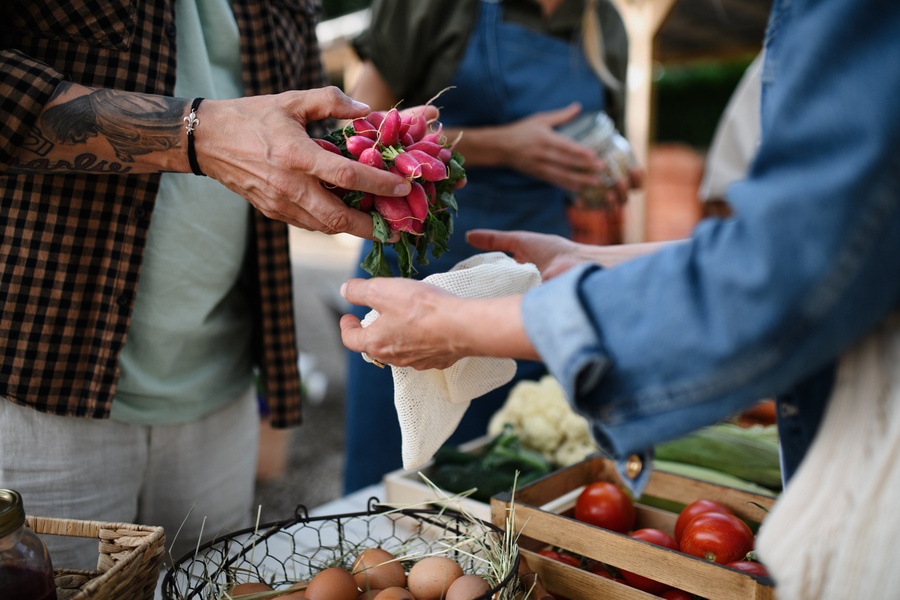
A farmers market can become far more than a place to buy tomatoes and fresh bread. Done well, it can give local producers a reliable sales outlet, introduce residents to small businesses, and create a weekly event people look forward to. Still, a successful market requires far more preparation than reserving a lot and inviting a few vendors. Get started with the help of these important things to know before starting a farmers market.
Research Local Rules and Permit Requirements
Local regulations deserve attention early in the process. Requirements vary by municipality and can depend on the products vendors sell. Food sales, temporary structures, signage, parking, fire access, and public property use may all fall under separate rules.
Contact the appropriate local offices before you set firm dates or accept vendors. Organizers should also learn what licenses, permits, insurance, or inspections individual sellers may need. Keep clear records of any requirements and share relevant details with vendors well before opening day.
Choose a Site With Practical Needs in Mind
A picturesque location can attract attention, but appearance alone doesn’t create a functional farmers market. Consider how customers, vendors, delivery vehicles, and staff will use the space from setup through departure.
Look at features such as:
- Convenient customer parking
- Safe pedestrian access
- Vendor vehicle access
- Restroom availability
- Shade and weather protection
- Trash and recycling areas
- Accessible paths
- Adequate room between booths
Visit the site at the same time of day that the market will operate. Traffic, sunlight, nearby businesses, and parking demand can look very different on a Saturday morning than they do on a Tuesday afternoon.
Build a Vendor Mix That Gives People a Reason to Visit
Variety can turn a quick produce stop into a full market experience. Avoid accepting vendors solely to fill empty spaces. Too many businesses with nearly identical products can create unnecessary competition, especially at a new market with modest attendance.
A balanced roster gives shoppers more to explore and lets vendors complement one another. Clear vendor criteria can also protect the market’s identity. Decide early how you’ll handle resellers, prepared foods, crafts, locally produced goods, and products from outside the region.
Create Clear Vendor Policies
A casual atmosphere doesn’t mean the operation should be casual behind the scenes. Vendors need to know exactly what organizers expect before they commit. Your vendor agreement can cover arrival times, booth dimensions, fees, cancellations, cleanup, parking, signage, product rules, insurance, and missed market dates. Include procedures for bad weather and emergencies as well.
Consistency matters here. If one seller receives exceptions that others don’t, frustration can spread through the vendor community. Written policies give everyone the same reference point and reduce confusion throughout the season.
Develop a Layout Before Opening Day
The most important things to know before starting a farmers market also include your layout. Booth placement deserves more thought than assigning spaces in a row. Your layout affects foot traffic and the overall feel of the market.
Refining the layout is a big reason why farmers markets benefit from tent rentals. Leave enough space for shoppers to browse without crowding narrow aisles. Consider where lines may form around popular food stands and keep entrances clear.
Seating, restrooms, trash receptacles, and information areas should have logical locations that don’t interrupt customer traffic. It also helps to create a map for vendors. Sellers can arrive, locate their spaces, unload, and prepare their booths with fewer delays.
Plan for Sun, Rain, Wind, and Heat
Outdoor markets live at the mercy of the forecast, so weather policies deserve attention long before the first market date. Decide what conditions allow the market to proceed and what circumstances lead to a cancellation or early closure. Vendors should know the rules for tents and other booth equipment.
Organizers can also evaluate covered spaces, shade areas, hydration access, and safe places for customers to rest. Create a reliable system for weather updates. Vendors shouldn’t have to search social media at dawn to figure out if the market is open.
Set a Schedule Customers Can Remember
Consistency helps a new farmers market become part of the community’s routine. A schedule such as every Saturday from 8 a.m. to noon is much easier to remember than dates scattered throughout the season. Consider local habits before you settle on a day and time.
Nearby church services, youth sports, festivals, commuter patterns, and competing markets can affect attendance. Once you establish the schedule, publish it everywhere customers might look, such as social media. Plus, you should have signs and a market website all displaying the same information.
Start Promotion Before the First Market
Customers need time to learn that a new market exists. Promotion should begin well before opening day, not the night before the first vendor arrives. Introduce participating farms and businesses through social media posts, local publications, community groups, and neighborhood organizations.
Photos of flowers and vendor displays can give prospective visitors a preview of the experience. Keep promotion active throughout the season. Highlight seasonal produce, new vendors, special events, live entertainment, or other timely reasons to visit that week.
Think Long-Term
Opening day gets plenty of attention, but a strong first Saturday doesn’t guarantee a strong season. The real challenge is to create an experience vendors and customers want to return to week after week. Pay attention to attendance patterns, customer comments, vendor feedback, parking concerns, and products that draw interest.
Small adjustments to layout or vendor selection can improve the market as the season progresses. Keep communication open with sellers as well. Vendors interact directly with customers every market day, so their observations can reveal issues organizers may not see.
Give Your Market Room to Grow
There’s no need to create a massive event in the first season. A smaller market with dependable vendors and steady customer traffic has plenty of room to expand as its reputation develops. Set realistic goals for the first year, document what works, and leave space for adjustments. Over time, you may add vendors, extend the season, introduce special events, or expand into a larger site.
Most of all, treat the farmers market as an ongoing community project rather than a one-day event repeated every week. Start with thoughtful policies and a clear plan for customers. Put those pieces in place early, then take the next step and start building a market that local shoppers and producers will be excited to support.