
A perfectly coordinated outfit can be beautiful, but predictability does not always make it memorable. Some of the most compelling looks introduce an element that appears to come from somewhere else entirely. A delicate dress gains attitude beside a substantial boot, while precise tailoring can feel more personal when paired with something worn-in or informal. Why fashion is more interesting when styles clash comes down to the tension between pieces that were never expected to share an outfit. When that tension feels intentional, getting dressed becomes less about following an aesthetic and more about developing a point of view.
Contrast Gives an Outfit Somewhere To Go
When every piece communicates the same idea, the eye understands an outfit almost immediately. A romantic blouse with an equally romantic skirt may look cohesive, yet there is little visual friction to hold someone’s attention. Introduce a tougher shoe or an oversized jacket, and the relationship between those pieces becomes part of what makes the outfit interesting.
Even a subtle difference in mood can introduce enough contrast to change how an entire outfit reads. Sleek trousers paired with a faded graphic tee create a different impression from the same trousers worn with a crisp button-down, bringing an unexpected dimension to the look without making the combination feel deliberately mismatched.
Pieces Can Outgrow Their Original Identities
Clothing carries associations based on where it came from and who traditionally wore it. Workwear suggests utility, athletic pieces reference movement, and certain silhouettes immediately evoke certain decades or subcultures. Fashion becomes more flexible when people stop letting those associations dictate exactly how they wear an item.
Although their visual identity remains closely connected to Western dress, the way cowboy boots have changed fashion shows how a recognizable piece can take on new meaning as it enters different styling contexts. Pairing them with a flowing skirt, sharp tailoring, or an understated everyday look preserves their distinctive character while creating the unexpected contrast that makes the combination compelling.
Personal Style Gets Stronger Outside a Single Aesthetic
As fashion trends circulate quickly through social media, recognizable combinations of silhouettes and accessories can develop into named aesthetics almost overnight. Those labels can give people a useful reference point for identifying what appeals to them, but they become limiting when someone starts treating an aesthetic as a set of rules for what belongs in their wardrobe.
Someone who gravitates toward minimalism does not need to reject an ornate vintage bag because it falls outside the usual formula. A person drawn to feminine clothing can still love heavy outerwear or menswear-inspired shoes. Allowing those preferences to coexist makes a wardrobe reflect an individual more closely than strict adherence to a named aesthetic ever could.
Mixing influences also make personal style less dependent on whichever aesthetic happens to dominate social feeds. When you choose pieces because they work with your existing wardrobe and reflect what you genuinely like, they can move easily between different outfits without feeling tied to a passing trend.
Proportion Can Make Opposites Feel Intentional
Combining different styles works best when there is some visual logic connecting them. Proportion provides one of the easiest ways to create that connection because the shapes of garments influence whether contrast feels deliberate or accidental.
Differences in proportion can create enough visual balance to make contrasting aesthetics feel intentional. A voluminous skirt may pair naturally with a compact jacket, while an oversized blazer can give a narrow dress more definition. Paying attention to how silhouettes interact makes it easier to combine pieces from different styles without relying on conventional matching.
Texture can reinforce the same effect without turning the outfit into a complicated styling exercise. Soft fabric against structured leather or polished material beside something visibly worn creates enough distinction to make simple silhouettes feel considered.
One Disruptive Piece Is Usually Enough
Style clashes become harder to read when every item competes to deliver a different message. If the clothing, shoes, accessories, and outerwear all belong to unrelated visual worlds, the outfit can lose the tension that made contrast appealing in the first place.
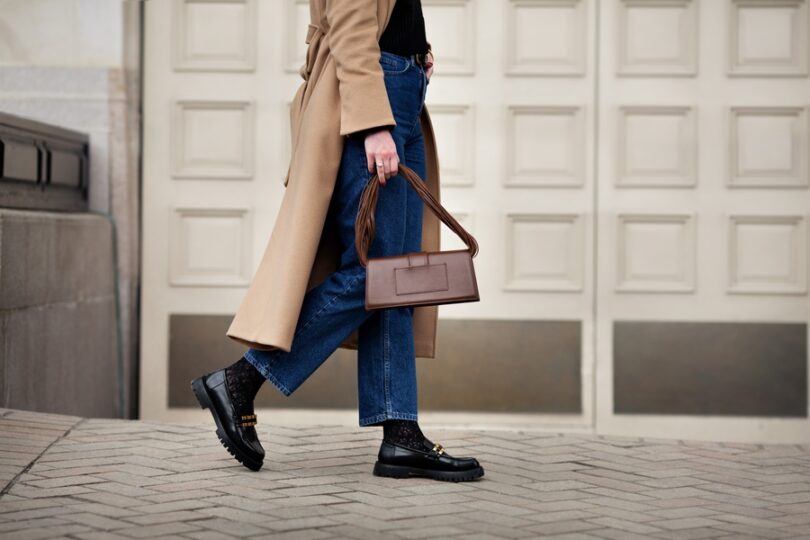
Giving one piece permission to interrupt an otherwise coherent look creates a clearer focal point. A formal outfit might need an unexpectedly casual shoe, while relaxed denim could benefit from a refined coat. The disruptive piece attracts attention precisely because the rest of the outfit gives it room to do so.
Experimenting with an unfamiliar style feels more manageable when you introduce one new piece into clothes you already know and enjoy wearing. You can test what appeals to you without rebuilding your wardrobe around an entirely different aesthetic, giving the combination a chance to feel natural before you take the idea further.
Repetition Can Turn a Clash Into Your Signature
An unexpected pairing may feel experimental the first time you wear it, but repetition can eventually make it recognizable as part of your style. Someone who repeatedly combines tailored clothing with sneakers or vintage pieces with minimalist basics begins establishing a visual language that belongs to them.
Once you find an unexpected pairing that feels natural, look for other ways to use the same styling idea. If you like heavier footwear with a delicate dress, try those shoes with a flowing skirt or softer fabrics elsewhere in your wardrobe. The pieces can change while the contrast that first caught your attention becomes a recognizable part of how you dress.
That distinction matters because personal style develops through preferences you return to voluntarily. Trends can introduce new possibilities, but the combinations worth keeping are the ones that continue to feel appealing after their novelty wears off.
Let Your Wardrobe Hold More Than One Idea
Ultimately, why fashion is more interesting when styles clash has less to do with deliberately breaking rules than refusing to let one visual category make every decision. The most memorable combinations create enough contrast to spark curiosity while still feeling connected to the person wearing them. When your wardrobe can hold more than one idea at once, getting dressed leaves much more room for individuality.
Any products featured are independently selected by our editors. However, when you buy something through our retail links, we may earn an affiliate commission. Feel free to click on any image for product details.