



The aesthetic treatment menu has become almost absurdly crowded. Lasers promise resurfacing and tightening. Radiofrequency devices stimulate collagen. Ultrasound treatments work beneath the surface. Other machines target fat, muscle, pigmentation, wrinkles or some combination of the above. For someone simply trying to tighten a jawline, smooth crepey skin, firm the body or improve an aging face without surgery, figuring out which technology actually works can be harder than deciding to have the treatment in the first place.
And the differences matter. The device that makes sense for loose skin under the chin may not be the best choice for stubborn abdominal fat. Someone hoping to firm the buttocks without sacrificing volume has a different objective from someone treating sun damage and wrinkles on the face. Skin type, pigmentation, downtime, treatment depth and even an individual’s ability to heal can influence what should and shouldn’t be used.
That is why LA’s The Place turned to Board-certified dermatologist Dr. Debbie Palmer, to sort through the increasingly complicated world of nonsurgical aesthetic treatments.
With more than 24 years of experience, Dr. Palmer is one of the country’s leading experts on antioxidants and their role in improving the appearance of the skin, giving her a perspective on skin aging that goes beyond what can be accomplished with a machine alone. Her expertise spans both the biological factors that influence how skin ages and the technologies used to address those changes, including lasers, injectables, chemical peels, body sculpting and newer energy-based treatments for facial and whole-body rejuvenation.

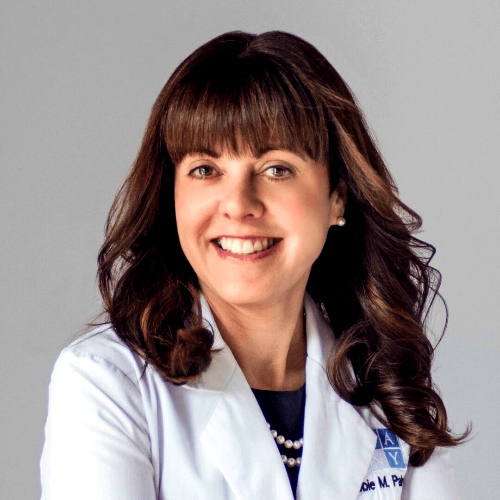
Dermatologist Dr. Debbie Palmer
In this Q&A, Dr. Palmer gets specific about what works for the face and neck, jawline, abdomen, buttocks, knees and elbows; explains the differences between lasers, radiofrequency and ultrasound; discusses when combination treatments make more sense than a single device; and addresses an increasingly important question for patients: Can you tighten skin without unintentionally losing the volume you want to keep?
She also weighs in on which newer technology has impressed her, which popular treatments may deliver less than consumers expect, and why choosing the right person to operate a device can be every bit as important as choosing the machine itself.
LA’s The Place: There are so many lasers, radiofrequency devices, ultrasound treatments, and other technologies being marketed for skin tightening that it can be incredibly confusing. If someone’s primary goal is genuinely tighter skin, which technologies do you consider the most effective right now, and how do you determine which one to use?
Dr. Debbie Palmer: If someone has a primary goal of skin tightening and improvement in dermal laxity rather than resurfacing alone, the current evidence makes radiofrequency (RF) microneedling and Sofwave strong nonsurgical options. Ablative fractional lasers are best when laxity is accompanied by substantial photo damage and textural change. A 2026 review of 41 RF microneedling studies found consistent improvement in skin laxity, wrinkles, dermal density and thickness. For darker Fitzpatrick types or patients who cannot tolerate substantial downtime, the best lasers are RF microneedling, Sofwave or nonablative fractional technology. When choosing the right laser for patients, there are many factors to consider. The primary treatment endpoint must be considered with laxity, rhytides, crepey texture, dyschromia (alteration in pigment), photodamage, scarring, and submental contour (under chin fullness). Also to consider are desired downtime and patient tolerance, Fitzpatrick phototype, baseline pigmentation, recent UV exposure, history of hyper/hypopigmentation, depth of the skin problem, history of previous resurfacing, degree of elastosis, sebaceous or dryness issues, and the ability to heal. Individuals vary in healing capabilities and times due to conditions like diabetes of poor glycemic control, smoking, vascular compromise, immunosuppression, connective tissue disease, history of delayed healing, history of hypertrophic or keloid scars, skin inflammation, and poor nutrition.
LATP: When it comes specifically to tightening and lifting the face, what treatments produce the most noticeable results without surgery? Are there particular lasers or energy-based devices you consider the gold standard?
Dr. Palmer: For lifting and tightening the face, noticeable results are seen with Sofwave, MFU-V (micro focused ultrasound with visualization)/MFU (micro focused ultrasound), monopolar RF, and RF microneedling.
LATP: The neck and area under the chin can be especially difficult to treat. What works best when the problem is loose or crepey skin rather than simply excess fat? And if someone has both fat and laxity, does that change the treatment approach?
Dr. Palmer: Crepey skin on the neck and under the chin can be improved with RF microneedling, monopolar RF, MFU/MFU-V, Sofwave, and fractional ablative lasers. Cryolipolysis is best for noninvasive fat reduction. Often a fat reduction device combined with a tightening modality are necessary. Combination treatments are powerful because they address different layers.
LATP: What about the abdomen? For someone who has stubborn belly fat along with loose skin, what technology is currently best for reducing the fat while also tightening the skin? Can one treatment realistically accomplish both, or are combination treatments usually necessary?
Dr. Palmer: As with the neck and under the chin, a combination treatment is usually necessary.
LATP: The buttocks present an interesting problem because many people want firmer, tighter skin without losing volume. Which treatments can tighten and improve the appearance of the buttocks without destroying the fat that gives the area its shape?
Dr. Palmer: The laxity of the skin on the buttocks can be improved with RF microneedling, monopolar RF, MFU/MFU-V, Sofwave, and fractional ablative lasers. With proper technique, there is no concern for destroying the fat as the dermis is the target.
LATP: Can energy-based treatments actually create a subtle lifting or “perkier” effect in the buttocks, or are treatments marketed that way overstating what the technology can realistically accomplish?
Dr. Palmer: The previously mentioned treatments are designed to build collagen and elastin and firm the skin to give it a more even texture. They are not lifting or firming the muscle to give a “perkier” effect. Pure Impact is a device that is designed to support muscle strength and resilience. It has the capability of a 6 area whole body activation in 30 minutes. By engaging the muscles, they become more tone and can appear “perkier”.
LATP: Wrinkled, crepey skin around the knees and elbows can make otherwise healthy skin look significantly older. What treatments work particularly well on these difficult areas?
Dr. Palmer: Wrinkled, crepey skin around the knees and elbows can be improved with MFU-V, nonablative fractional laser, fractional ablative laser and RF microneedling.
LATP: Some treatments heat tissue to stimulate collagen, while others use lasers, radiofrequency, ultrasound, microneedling, or combinations of technologies. Can you explain the important differences and which problems each technology is actually best at treating?
Dr. Palmer: Lasers are best when you want to remodel the skin itself. They use energy to selectively target specific chromophores. Depending on wavelength, they can target water, melanin, hemoglobin or various other targets. It is best to choose the laser that targets the chromophore of interest.
LATP: Are there situations where a treatment designed to tighten skin can unintentionally reduce facial or body fat? For patients who want to preserve volume, particularly in the face or buttocks, which technologies or treatment settings require extra caution?
Dr. Palmer: When tightening the skin with a device that targets the dermis for collagen and elastin stimulation, there is no concern for a reduction of facial or body fat.
LATP: What are the most effective options right now for tightening the jawline and lower face without surgery? How much improvement can someone realistically expect from devices compared with a surgical facelift?
Dr. Palmer: Sofwave studies demonstrated greater than a 68% increase in collagen and greater than a 33% increase in elastin following a single treatment. See below.
LATP: For someone who wants smoother forehead lines or fewer wrinkles around the eyes but does not want Botox or another injectable neurotoxin, are there technologies or treatments that can produce a meaningful alternative?
Dr. Palmer: Other treatments with meaningful results are fractional ablative lasers, non ablative fractional lasers, RF microneedling, monopolar RF, MFU/MFU-V, and Sofwave.
LATP: We hear a lot about “collagen stimulation,” but almost every aesthetic treatment seems to make that claim now. Which treatments actually stimulate enough new collagen to create a visible difference in firmness and skin quality?
Dr. Palmer: Many devices stimulate collagen to create a visible difference in firmness and skin quality. Examples include non ablative fractional lasers, RF microneedling, CO2 devices, Er:YAG devices, monopoly RF, and ultrasound.
LATP: Are there newer technologies that you believe represent a genuine advancement over treatments that were considered state-of-the-art five or ten years ago? What has impressed you most recently?
Dr. Palmer: Sofwave is the next generation non-invasive skin tightening device. It is an attractive option for those who are interested in tightening but don’t want needles, resurfacing, pigment risk or significant downtime. It is an ultrasound-based collagen remodeling device that uses Synchronous Ultrasound Parallel Beam (SUPERB) technology. Seven parallel ultrasound transducers create controlled thermal injury in the mid-dermis, approximately 0.5-2 mm deep, centered around 1.5 mm, while the epidermis is cooled and protected. The result is thermal dermal remodeling with neocollagenesis (new collagen formation) and neoaelastogenesis (new elastin formation) causing a tightening and lifting effect. Studies demonstrated greater than a 68% increase in collagen and greater than a 33% increase in elastin following a single treatment. The Sofwave has 8 FDA clearances in 5 years and they include facial lines and wrinkles, eyebrow lift, submental lift (below the chin), neck lift, cellulite, acne scars, and upper arm skin laxity.
LATP: Conversely, are there popular aesthetic treatments or machines that you think are overhyped, or that consumers frequently spend money on without getting enough improvement to justify the cost?
Dr. Palmer: Low level microcurrent may produce a subtle temporary improvement in firmness or rhytides but the collagen remodeling is not similar to stronger office based procedures.
LATP: If a patient came to you wanting to address several areas at once, the face and neck, abdomen, buttocks, knees and elbows, would you use different technologies for each area rather than relying on one machine?
Dr. Palmer: When addressing several areas on the body it is often necessary to rely on different technologies because of the anatomy and the biological endpoint. The treatment modality, energy settings, treatment depth and sequence is tailored to the anatomy, degree of laxity, skin thickness, tissue composition and individual healing characteristics of each area.
LATP: How important is the person operating the device compared with the device itself? Can the same laser or energy-based machine produce dramatically different results depending on the physician, settings, and treatment protocol?
Dr. Palmer: The success of a treatment is not only based on the type of laser being used but the person who is operating the device. The experience and skill of the physician is key.
LATP: If someone has a limited aesthetic budget and wants the greatest visible improvement for their money, where would you tell them to invest first, and which treatments tend to deliver the best combination of results, longevity, and value?
Dr. Palmer: If someone has a limited aesthetic budget, I would advise them to speak with their dermatologist and communicate their budget and area of interest. There are always ways to help certain issues while staying on a budget.
About Dr. Debbie Palmer
Dr. Debbie Palmer is a board-certified dermatologist with more than 24 years of experience in medical and cosmetic dermatology. She is the co-founder and medical director of Dermatology Associates of New York in Harrison, New York, where her work encompasses facial and body rejuvenation, including lasers, injectables, chemical peels, body sculpting and individualized aesthetic treatment plans.
A nationally recognized expert in antioxidants and their relationship to skin health and aging, Dr. Palmer has published her work in medical journals and lectured in the United States and internationally on antioxidants, nutrition, healthy aging and their effects on the skin. She is also the founder of Replere, an antioxidant-based skincare collection formulated with natural ingredients and made without parabens, added fragrance or dyes.
Dr. Palmer’s background also includes training in osteopathic medicine, which emphasizes a whole-body approach to health and the relationship between the body’s interconnected systems. She earned a B.B.A. from the University of Michigan and received her medical degree summa cum laude from Kansas City University of Medicine and Bioscience, where she was elected to Psi Sigma Alpha, the national osteopathic scholastic honor society.