


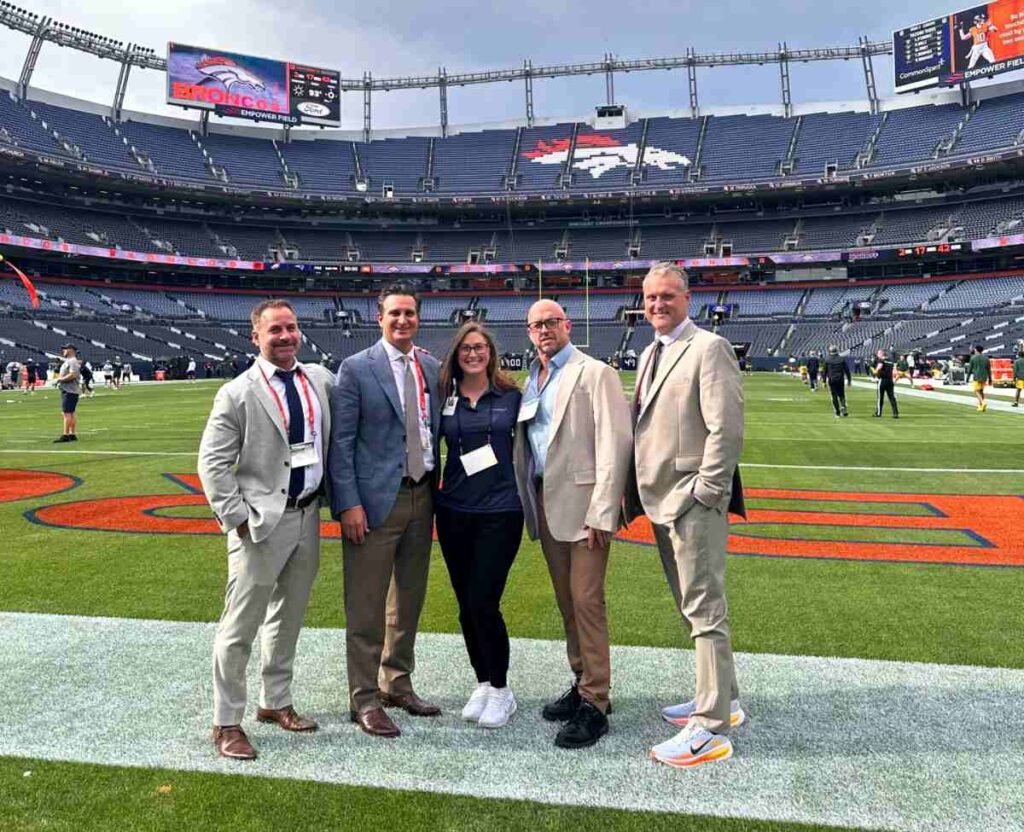
Late-summer practices can put student athletes through some of the most demanding conditions of the year. High school teams and youth leagues are returning to intensive training schedules just as temperatures remain high, making hydration, heat-illness recognition and rapid cooling an important part of keeping young athletes safe.
And football players aren’t the only athletes performing at a high level in the heat. The Denver Broncos Cheerleaders routinely perform demanding choreography outdoors and in full uniform, requiring many of the same heat-safety strategies used throughout professional sports.
Kayla Parker, MS, LAT, ATC, official athletic trainer for the Denver Broncos Cheerleaders and Market Director of Sports Medicine for CommonSpirit Health, works directly with professional performers and athletes and says many of those same protocols can be adapted for high school and youth sports.

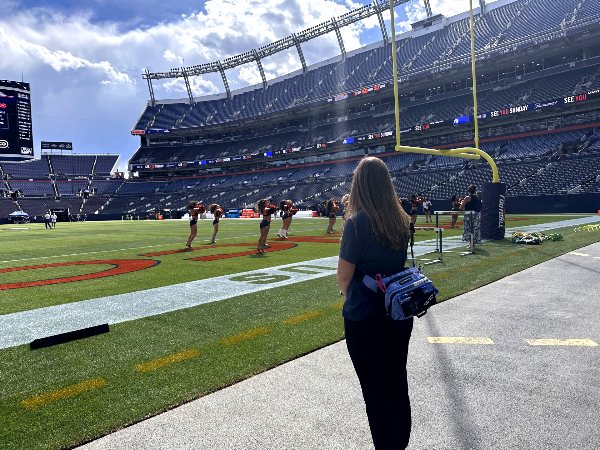
Denver Broncos Cheerleaders’ Kayla Parker
Among the key areas Parker emphasizes is what sports medicine professionals call the 1% weight rule. During hot practices, young athletes should lose no more than 1% of their body weight, with approximately 20 ounces of fluid used to replace every pound lost. Avoiding caffeine and beginning practices properly hydrated are also important parts of the equation.
Recognizing heat illness early can be just as critical. Initial symptoms such as headache, nausea and dizziness can resemble those of a concussion. Clammy skin can be another warning sign, while red, hot and dry skin can indicate a potentially life-threatening heat emergency requiring immediate intervention.
Rapid cooling is especially important when heatstroke is suspected. Modern sports-medicine protocols increasingly emphasize having cooling equipment immediately accessible rather than waiting until an emergency occurs. Parker points to a simple setup using a tarp, ice and water as one option that can be implemented even when sophisticated equipment isn’t available. When appropriate rapid cooling is initiated within roughly 10 minutes of collapse, outcomes can change dramatically.
So what should parents, coaches and student athletes actually be doing before, during and after practices in extreme heat? In the following Q&A, Parker shares the professional-level strategies used to protect the Denver Broncos Cheerleaders and explains how those methods can translate to the sidelines of youth and high school sports.

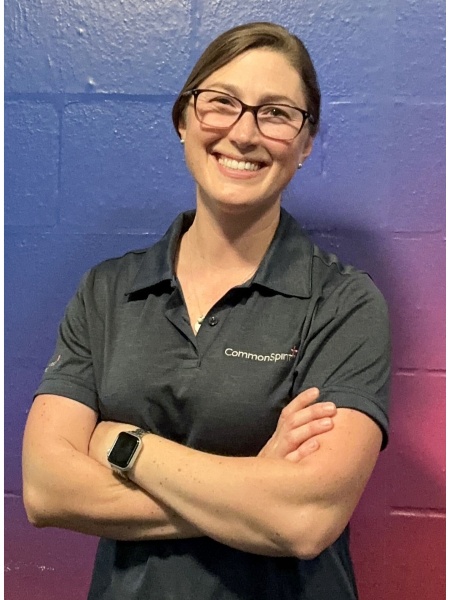
Denver Broncos Cheerleaders’ trainer Kayla Parker
L.A.’s The Place Magazine: Young athletes often return to intense practices in August after a less structured summer. What makes that transition especially risky when temperatures are still high?
Kyla Parker: Most young athletes return back to sport in the late summer/early fall when temperatures are still high, and they are not used to or acclimated to the level of activity being demanded and those temperatures. An acclimatization schedule is normally implemented to help with the transition, but athletes need to do their part at home as well. Hydration is the number one factor that athletes can control and is critical to them staying safe when the temperatures and activity ramp up.
The compounding effect of losing water and sodium daily over the course of the first weeks of returning to sport can also lead to issues with heat. The riskiest part of early season while temperatures are still high is when scrimmages and games start. There may be strict parameters around whether practices can take place, how long they are or what can be worn during them, equipment-wise, but when it comes to games, athletes are required to be dressed out completely and sometimes facility and staffing availability dictate at what time a game takes place.
For example, a football team may modify practices and equipment for two weeks prior to their first game, practicing early in the morning or late in the evening, possibly even indoors, for shortened time frames, with just shells and helmets. But then on game day, those same athletes are expected to don their entire uniform and play a full game with temperatures well beyond what they have experienced.
LATP: You work with the Denver Broncos Cheerleaders, who perform demanding choreography outdoors and in full uniform. What heat-safety and hydration protocols do you use with them that could also be applied to high school and youth athletes?
Parker: Firstly, I encourage the athletes to drink lots of water throughout the day for the days prior to their rehearsals and performances. The day of performances, the athletes should have access to both water and electrolyte drinks and be drinking consistently. Whenever possible, we move the athletes to the shade for their breaks and use fans for additional cooling.
Weather is constantly monitored and when conditions become dangerous, practice is shortened, breaks lengthened or activity suspended altogether. The Korey Stringer Institute does a great job of providing resources and parameters around that. Any time athletes are practicing in hot environments, whether outside or inside facilities that have no A/C, a rapid cooling station should be set up.
LATP: You recommend that athletes lose no more than 1% of their body weight during a hot practice. Why is that 1% threshold important, and how can parents and coaches realistically monitor it?
Parker: When athletes become dehydrated, the amount of blood available in the body decreases, causing your heart and organs to work harder. Besides monitoring for the physical symptoms of dehydration such as headache, dizziness and dark urine, coaches and parents can implement weight monitoring during heavy training and practice sessions.
Simply weigh the athlete in the same, dry outfit before activity and again afterwards. If they have lost more than 1% of their starting weight, they didn’t effectively replace the fluids lost during activity and are likely dehydrated. It’s not a perfect science, but it is a tangible way to demonstrate to an athlete the importance of constantly drinking fluids throughout activity. It also provides a threshold for fluid replacement and can help determine whether additional electrolytes should be consumed to replace what was lost.
LATP: For every pound an athlete loses during practice, you recommend replacing it with approximately 20 ounces of fluid. How quickly should those fluids be replaced, and when are electrolytes preferable to plain water?
Parker: Fluids should be gradually replaced over the course of 2–6 hours following exercise or activity. If an athlete was sweating more or lost more weight than usual, electrolytes should be consumed to help make up for the losses. Thirst, urine output and color can help determine how much more should be consumed prior to the next practice.
LATP: Caffeine is everywhere now, including energy drinks that are popular with teenagers. Why can caffeine be particularly problematic for young athletes training in extreme heat?
Parker: Caffeine is a diuretic causing increases in urination that can lead to becoming dehydrated more quickly. Excessive caffeine can also cause heart palpitations, high blood pressure and anxiety. All three are not ideal when temperatures rise and athletes’ bodies are stressed by activity and weather conditions.
Teenagers especially should avoid caffeinated beverages as most of those marketed as performance drinks or are popular contain about 200mg of caffeine. They tend to consume more than one a day which puts them at the max threshold of what a normal adult should consume. Additionally, that amount of caffeine can negatively affect their sleep quality, causing them to “require” more caffeine. Youth athletes under 12 should not consume caffeinated beverages at all due to the negative effects on growth and development; this includes sodas and coffee.
LATP: Some of the early symptoms of heat illness—headache, nausea, dizziness and confusion—can resemble a concussion. What should coaches and parents look for to distinguish heat illness, and what should they do when they aren’t sure?
Parker: When in doubt, sit it out. Any athlete exhibiting headache, nausea and dizziness should be pulled from activity immediately and questioned about the onset of symptoms. If there is a report of symptoms starting after a hard hit or contact involving the head, the athlete should not return to activity until evaluated by a medical professional.
The athlete should intake fluids immediately and electrolytes can be supplemented regardless of suspected injury. If a concussion is not suspected and symptoms improve with hydration efforts and cooling, the athlete may be able to return to activity if they can perform exertional exercises such as running and jumping jacks without symptoms returning.
Parents and coaches can also look for other symptoms of heat illness to be present such as excessive sweating, cool, clammy skin, and muscle cramps. If an athlete’s skin becomes hot, dry and red and their heartbeat becomes hard and fast, they need to be cooled IMMEDIATELY.
LATP: What is the difference between heat exhaustion and exertional heatstroke, and which changes in an athlete’s behavior, skin or physical condition should be treated as a medical emergency?
Parker: Heat exhaustion occurs when the body becomes dehydrated from too much water and salt loss. It can be identified by excessive sweating, muscle cramps, rapid but weak pulse and the athlete reporting dizziness or confusion. Removing equipment and damp clothing, pushing electrolyte-heavy sports drinks, finding shade, and cooling down with ice bags over major arteries (hips, underarms, back of neck) or moving into air-conditioned environments is normally an effective treatment. Any athlete who experiences heat exhaustion during practice or a game should not return to activity the same day unless advised by a medical professional.
Heat stroke is a medical emergency where the core body temperature rises above 104 degrees Fahrenheit. Athletes will complain of severe headache, a rapid and strong pulse (“heart beating out of their chest”), may have slurred speech or loss of muscle function and lose consciousness. Their skin will also be red, hot and dry.
LATP: You’ve emphasized the importance of cooling an athlete within roughly 10 minutes when exertional heatstroke is suspected. Why is that window so critical, and what should happen first: cooling the athlete or transporting them to the hospital?
Parker: If an athlete exhibits symptoms of heat stroke or a core temperature reading is 104 degrees Fahrenheit or higher, the athlete should be rapidly cooled within 10 minutes to prevent tissue and organ damage. 911 should be called immediately, but it is important that the athlete be cooled to below 102 degrees Fahrenheit before EMS transports.
Emergency Departments are not set up for effective methods of rapid cooling and the athlete’s temperature can easily rise again during transport. If a rectal thermometer is not available to take a core temperature reading, the athlete should be cooled for at least 15–20 minutes and/or until they are alert and shivering.
LATP: Professional teams have sophisticated sports-medicine resources, but most schools and youth leagues don’t. What would you put in a simple, inexpensive rapid-cooling station that a coach, school or even a parent could set up?
Parker: There are various methods of rapidly cooling athletes with the gold standard being the cold-water immersion. A tub of water and ice is kept below 50 degrees Fahrenheit and the overheating athlete is lowered into the water up to their shoulders until their temperature returns to below 102 degrees Fahrenheit.
It is not always feasible to have this set-up available, such as public parks and rural areas with limited access to ice and water, so the TACO (tarp assisted cooling with oscillation) method is the next best thing. It only requires a medium weight tarp about 8′ x 10′, depending on how big the athletes are, and a 10-gallon cooler of ice water.
If needed, the athlete is laid down in the middle of the tarp on their back with individuals holding up the sides of the tarp all the way around. The athlete’s head should be elevated slightly above their feet as someone pours the cooler of ice water over the top of the athlete’s body. Then the individuals on the sides gently shake and lift the tarp to splash the water back over the athlete. This keeps the water temperature from becoming stagnant around the athlete. Ideally, the rapid cooling method chosen is set up as close to the athletic field or facility as possible and under a shaded area.
LATP: If you could give parents and coaches a five-point “NFL-level” heat-safety checklist before sending a young athlete onto the field this season, what would be on it?
Parker: Hydration check: Has the athlete been consistently drinking water or electrolyte drinks and avoiding caffeinated beverages? Urine color should be clear to light yellow (think lemonade). Source of additional water, sports drinks, and ice during activity.
Weather check: Check the WBGT reading (at the field-level if possible) and modify activity and equipment according to guidelines (this includes indoor facilities without A/C). If game-time temperatures are set to be significantly higher than previous practice sessions, consider changing to a different time/date.
Emergency Action Plan: What is the plan if an athlete gets overheated and needs to be cooled down? Who is calling 911 and who needs to be contacted? What is the plan for follow-up and return to play process? What is the address of the facility? Where is the nearest AED? Who will ensure that EMS follows the protocol: Cool First. Transport Second.
Cooling Station: Where is this shaded area located and what is the method? TACO (tarp assisted cooling with oscillation) versus Cold Tub versus ice bags and A/C.
Pre-participation Physical and “Red Flag” List: Athletes should all be getting a quality pre-participation physical preferably through their established pediatrician, PCP or primary care sports medicine physician. Coaches and medical staff should have a list of athletes with red-flag conditions that puts them at higher-risk for major health events (i.e.: diabetes, asthma, severe allergies, sickle cell, etc.).
About Kayla Parker, MS, LAT, ATC
Kayla Parker is the official athletic trainer for the Denver Broncos Cheerleaders and the Market Director of Sports Medicine for CommonSpirit Health Mountain Region. With more than a decade of elite sports medicine experience, Parker holds a Bachelor’s in Athletic Training from The University of Texas at Austin and a Master’s in Sport Management from Northern Illinois University.
Her career bridges professional sports and community advocacy, with a focus on building outreach programs that give youth leagues and local student athletes access to the same elite level of care provided to professional performers.