


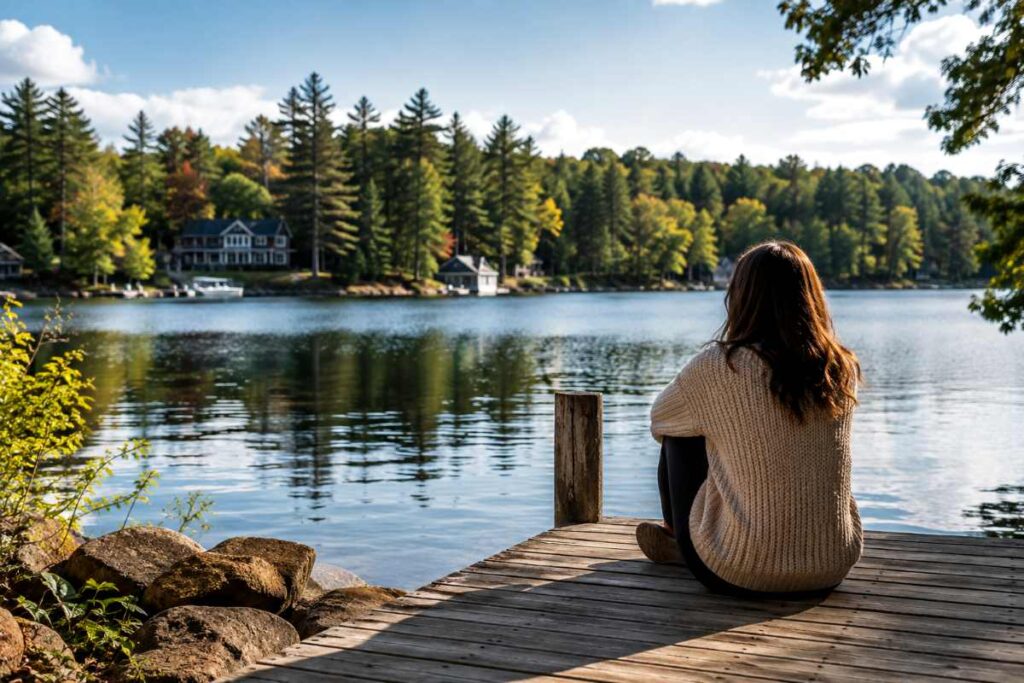
For Los Angeles residents, traveling for addiction treatment once tended to mean heading south toward Orange County, driving into the desert or choosing one of Southern California’s many established treatment centers. Wisconsin probably was not the first state that came to mind. That is beginning to change. For people who want genuine distance from their everyday environment without sacrificing access to established treatment services, Wisconsin offers an increasingly attractive alternative. The appeal is not simply getting out of California. A lower-pressure setting, distinct seasons, abundant outdoor space and the ability to choose between residential and outpatient care can make Wisconsin worth a serious look.
Distance Can Serve a Purpose
Los Angeles makes it remarkably easy to remain connected to the same people, places and routines that existed before treatment. Even when someone enters a local program, home may be 20 minutes away. Friends are nearby. Work problems are nearby. The bar, neighborhood or social circle associated with drinking or drug use may be nearby, too. That convenience can become a liability when the goal is to establish a genuinely different routine.
Traveling roughly 2,000 miles changes the equation. Wisconsin gives Californians physical separation that cannot be erased by a quick drive home after a difficult afternoon. Among the many addiction treatment options available today, destination treatment can make sense for people who believe remaining close to their normal environment will make it harder to focus on recovery.
Distance should never be treated as a cure by itself. The quality and appropriateness of treatment still matter far more than the ZIP code. Yet changing environments can remove some familiar distractions while a person concentrates on therapy, health and the practical work required to build a different daily life.
Wisconsin Offers a Different Pace
Anyone arriving from Los Angeles will notice the contrast almost immediately. Wisconsin does not offer Southern California weather, and that may actually be part of its appeal. Lakes, forests, smaller cities and dramatic seasonal changes create an environment that feels unmistakably separate from home.
That difference can be useful for Californians who associate Los Angeles with nonstop stimulation. Traffic, work, social obligations, nightlife and the simple expense of daily life can make it difficult to mentally disconnect. A treatment stay in Wisconsin creates a geographic boundary between those pressures and the immediate job at hand.
The state also gives travelers choices beyond isolated rural facilities. Madison and Milwaukee provide urban amenities, airports, hotels and health care infrastructure, while communities farther north offer considerably more seclusion. That range matters because not everyone benefits from the same environment. Some people want a residential campus removed from city life. Others want clinical support while remaining able to participate in ordinary activities outside treatment hours.
Outpatient Care Changes Travel
Destination rehab does not automatically require living inside a treatment facility. Depending on clinical needs, some people may be appropriate candidates for outpatient care, which creates an entirely different type of treatment trip.
For someone who has been clinically assessed and does not require residential supervision or medically managed withdrawal, outpatient alcohol rehab in Wisconsin while you stay at a gorgeous AirBNB or hotel is perfect because it can combine structured treatment with considerably more independence. A person might attend scheduled programming and then return to private accommodations rather than sleeping at the treatment center.
There are important limits to that idea. A beautiful rental is not a substitute for medical care, and outpatient treatment is not appropriate simply because someone prefers more freedom. Alcohol withdrawal in particular can become medically dangerous for some people, making professional assessment essential before choosing a level of care.
For an appropriate outpatient candidate, however, the arrangement can make Wisconsin feel less like institutional travel and more like a deliberate temporary relocation centered on recovery. Couples or supportive family members may also find nearby lodging easier to manage than they would in some residential arrangements, depending on program rules and the individual treatment plan.
California Money Goes Further
Cost is another reason Wisconsin deserves attention from Los Angeles residents. Southern California is one of the country’s most expensive regions, and those costs can follow people into an extended stay away from home. Lodging, meals, transportation and everyday purchases can add up fast when treatment lasts weeks rather than days.
Wisconsin can provide more flexibility, particularly for people considering outpatient programs that require nearby accommodations. A traveler may have room in the budget for a comfortable hotel, extended-stay property or short-term rental without paying the premium attached to many desirable Southern California locations.
Treatment costs themselves vary enormously, so Californians should verify insurance coverage, deductibles, out-of-network obligations and program fees directly before traveling. They should also ask whether a Wisconsin provider can work with their existing clinicians back home. Saving money on lodging means little if unexpected treatment or insurance costs appear later.
Going Home Needs a Plan
The biggest weakness of destination treatment appears when the trip ends. Recovery cannot depend on remaining in Wisconsin forever. Eventually, most California residents will return to the environment they deliberately left, which makes discharge planning particularly important.
Before flying back to LAX, a patient should know what the next stage of care will look like. That may include outpatient appointments, peer support, therapy, medication management or other services recommended by the treatment team. When possible, those connections should be arranged before the return flight rather than left on a future to-do list. Sometimes traveling farther is not about running away from home. It is about creating enough distance to build a better way to return to it.