


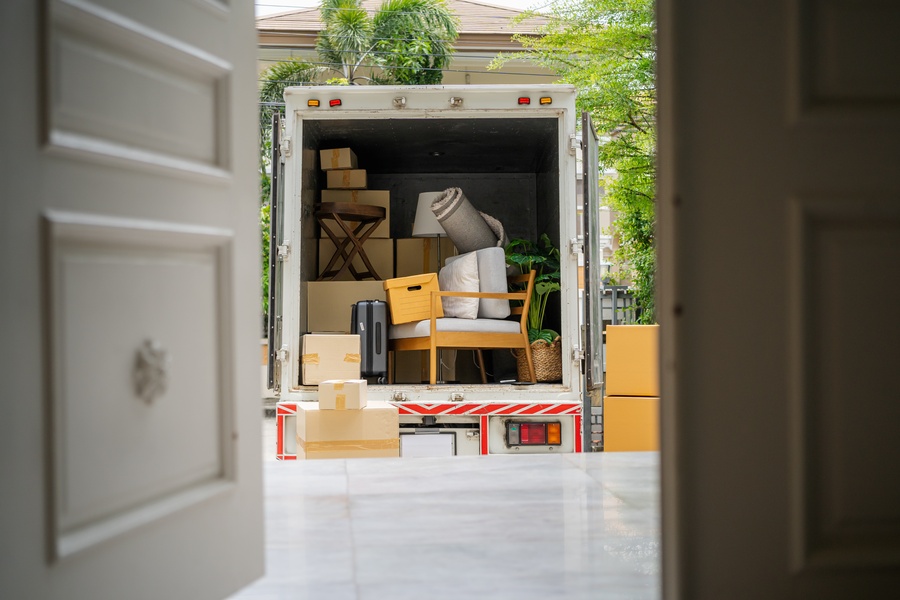
Moving can put a lot of wear and tear on your furniture if you do not take the right precautions. Scratches, dents, stains, and broken parts often happen during packing, loading, and transportation. With a little planning and the proper materials, you can keep your furniture in excellent condition throughout the move and avoid costly repairs or replacements.
Clean and Inspect Furniture Before Packing
Start by cleaning every piece of furniture before you pack it. Dust, dirt, and debris can scratch surfaces when furniture shifts during transport. Wipe down wood, metal, and glass surfaces, and vacuum upholstered items thoroughly.
As you clean, inspect each item for existing damage. Taking photos can help you document the condition of your furniture before moving day. This step also allows you to identify fragile areas that may need extra protection.
Disassemble Large Pieces When Possible
Large furniture pieces can become difficult to move through hallways, doorways, and staircases. Disassembling them reduces the risk of accidental damage and makes transportation easier.
Remove detachable components such as:
- Table legs
- Bed frames and headboards
- Shelves
- Cushions
- Glass inserts
Store screws, bolts, and hardware in labeled bags and tape them securely to the corresponding furniture piece. This simple organization step can save time during reassembly.
Use Protective Packing Materials
Proper packing materials play a major role in furniture protection. Wrap wood and metal furniture with moving blankets to prevent scratches and dents. Use bubble wrap for delicate items and glass components.
Many movers also rely on furniture bags to protect sofas, chairs, mattresses, and upholstered pieces from dirt, moisture, and tears. These coverings create a barrier that helps keep fabric surfaces clean throughout the moving process.
Avoid placing tape directly on finished wood or delicate surfaces because it can damage the finish when removed.
Secure Furniture During Loading
Even well-packed furniture can suffer damage if movers load it improperly. Place heavier items on the truck first and secure them with moving straps to prevent shifting during transit.
Keep furniture upright whenever possible, especially for couches, dressers, and cabinets. Stack lighter items carefully and avoid placing heavy boxes on top of furniture surfaces.
Pay special attention to corners and edges since these areas often receive the most impact during loading and unloading.
Be Careful When Choosing a Moving Company
Professional movers can make relocation much easier, but not every company provides the same level of care. When choosing a moving company, research reviews, verify licensing, and ask about furniture protection procedures.
A reputable mover should use moving blankets, straps, and proper loading techniques. They should also explain their insurance options and answer questions about how they handle fragile or valuable furniture.
Taking time to compare companies can help you find professionals who prioritize the safety of your belongings.
Prepare Your New Space
Protecting furniture does not end when the truck arrives. Measure doorways and hallways in your new home before moving day. Clear pathways and remove obstacles that could cause bumps or scrapes during unloading.
You can also place furniture pads or floor protectors in high-traffic areas to prevent damage while arranging your rooms.
Getting Through the Move
Furniture often represents a significant investment, so protecting it during a move should remain a priority. By cleaning items, disassembling large pieces, using quality packing materials, securing furniture properly, and carefully choosing a moving company, you can reduce the risk of damage and enjoy a smoother moving experience.