

Every hobby starts with excitement, quick progress, and fresh ideas. Then the pace slows down. You repeat the same routines, make the same mistakes, and lose some motivation. That frustrating stretch happens to almost everyone, whether you paint, play guitar, cook, or train for races. You can still improve, though. A few smart changes often create new energy and stronger skills without forcing you to abandon the hobby you enjoy.
Change Your Routine
Many people hit a plateau because they repeat comfortable habits every week. Familiar routines feel productive, but they rarely push growth. Try changing one part of your normal process instead. A photographer might shoot outdoors instead of inside. A runner might switch from long runs to sprint intervals. Small changes challenge your brain and sharpen your focus.
You should also create short practice sessions with specific goals. Instead of saying, “I want to get better,” choose one skill to improve during each session. A focused goal keeps your attention sharp and makes progress easier to measure.
Learn From Other People
You do not need to figure everything out alone. Other hobbyists can expose weak spots in your approach and introduce fresh techniques. Join a local group, attend workshops, or watch skilled creators online. Outside perspectives often reveal habits you never notice on your own.
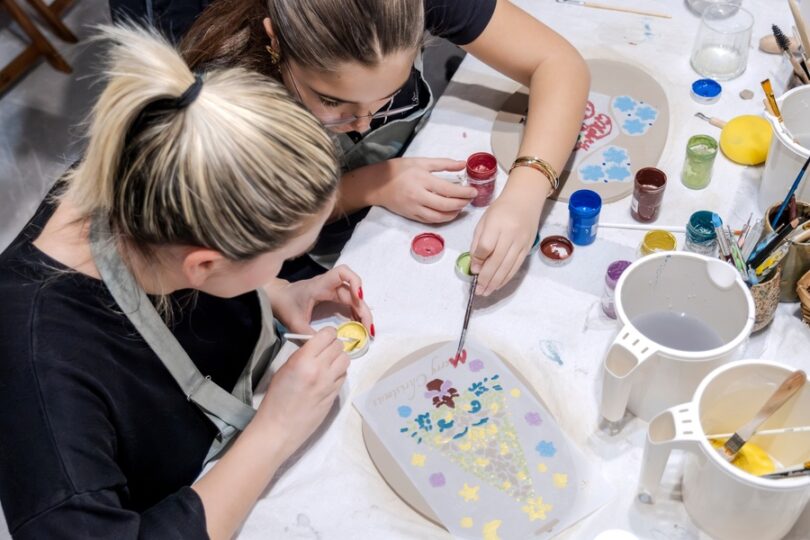
Taking a class can also help you rebuild confidence. Structured lessons give you clear direction and accountability. Some people even discover new passion through specialized learning opportunities, for example, a quilting class that teaches you new techniques can open your mind a little bit.
When you connect with experienced people, ask direct questions about your struggles. Most hobby communities welcome curiosity and honest conversation.
Track Small Wins
Big improvements usually happen through small consistent steps. If you only look for dramatic breakthroughs, you may ignore real progress. Keep a journal, save photos of your work, or record practice sessions. Tracking your results helps you notice improvement that feels invisible during daily practice.
You can also use a simple checklist like this:
- Practice one difficult skill three times each week
- Spend less time repeating easy techniques
- Ask another person for feedback twice each month
- Try one unfamiliar activity every few weeks
These habits build momentum without creating burnout.
Take Breaks Without Quitting
Some people respond to frustration by practicing harder every day. Constant pressure usually drains motivation and creativity. Instead, take short breaks when your hobby starts feeling exhausting. A few days away can refresh your attention and restore excitement.
During breaks, stay curious about your hobby without forcing performance. Read articles, visit events, or study other creators. Light engagement keeps your interest alive while your mind recovers.
You should also avoid comparing your progress with everyone else online. Social media highlights polished results, not the messy learning process behind them. Focus on your own growth and consistency instead.
Keep the Hobby Fun
Progress matters, but enjoyment matters more. Many people turn hobbies into stressful competitions and lose the original reason they started. Celebrate experimentation, laugh at mistakes, and stay open to new experiences. When you enjoy the process, improvement usually follows naturally.
Teaching beginners can sharpen your skills too. Explaining techniques forces you to organize ideas, notice habits, and rethink routines. You also reconnect with excitement that attracted you to the hobby, which can renew motivation.