


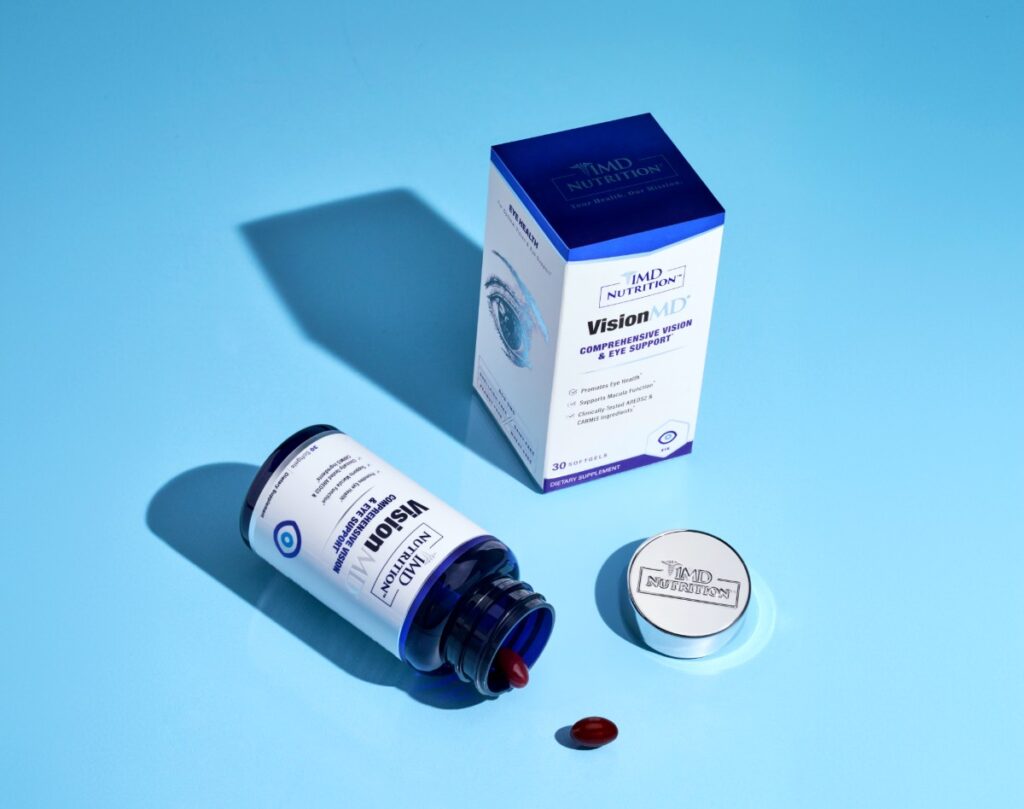
Most people wouldn’t think of heading to the beach without sunscreen, yet far fewer give the same attention to protecting their eyes. As summer brings more time outdoors, longer hours in the sun, and continued exposure to digital devices, products like VisionMD® from 1MD Nutrition are drawing attention as consumers look for ways to support eye health in a season that can put extra strain on vision.
It’s an easy oversight. Eye damage doesn’t usually come with the immediate warning signs of a sunburn. Instead, the effects can build gradually over time. Ultraviolet (UV) radiation from the sun has been linked to a variety of eye health concerns, while the modern habit of spending hours on phones, tablets, and computers adds another layer of stress.

Summer can create the perfect storm. People spend more time outside enjoying sports, travel, boating, hiking, and poolside relaxation, yet many continue to work remotely, scroll social media, stream content, and answer emails throughout the day. The combination of sunlight, environmental factors, and digital strain can leave eyes feeling tired, irritated, and overworked.
The Growing Impact of Digital Eye Strain
Digital eye strain has become one of the most common complaints among adults. Extended screen use can lead to symptoms such as dry eyes, blurred vision, headaches, eye fatigue, and difficulty focusing.
Many people blink less frequently when looking at screens, which can contribute to dryness and discomfort. During summer, air conditioning, wind, and heat can further aggravate these symptoms.
Blue light exposure from digital devices has also become a topic of increasing interest among eye care professionals. While research continues to evolve, many experts recommend taking proactive steps to support long-term eye health, especially for individuals who spend significant portions of their day on screens.
Why Prevention Matters
The eyes are among the body’s most delicate organs, yet they are often taken for granted until problems develop.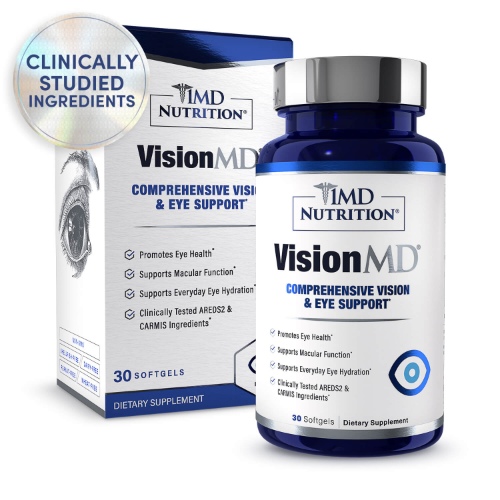

Experts typically recommend a combination of strategies that include wearing UV-blocking sunglasses, staying hydrated, taking regular breaks from screens, scheduling routine eye exams, and ensuring the body receives nutrients that support healthy vision.
Supporting Eye Health From the Inside Out
Nutrition plays an important role in maintaining healthy eyes. Certain vitamins, minerals, and antioxidants help support the retina, macula, and other structures involved in vision.
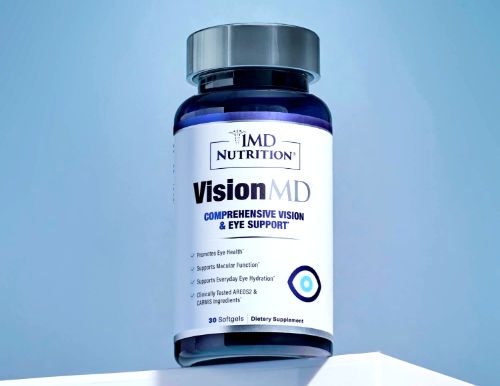
One supplement designed specifically for eye health is VisionMD® from 1MD Nutrition. The advanced formula is intended to support macular health, vision acuity, and protection against daily visual stressors.
VisionMD® contains key nutrients including vitamin E and Vitamin A (as EVETene™ Palm Oil Mixed-Carotene Extract, along with other antioxidants that help nourish the eyes and support visual performance. The formula is designed for today’s lifestyle, where exposure to sunlight and digital devices has become a constant part of everyday life.
Rather than waiting for vision concerns to develop, many consumers are looking for proactive ways to support eye health as part of their daily wellness routine. Eye care specialists increasingly emphasize that prevention and nutritional support can play an important role in maintaining healthy vision over the long term.
A Sense Worth Protecting
Vision affects nearly every aspect of daily life, from reading and driving to working, traveling, and spending time with loved ones. Yet eye health often receives far less attention than other wellness priorities.
As people head outdoors this summer and continue balancing life through digital screens, eye experts say it’s worth taking a closer look at the habits that support healthy vision. Whether it’s wearing sunglasses, reducing screen fatigue, or supporting the eyes with targeted nutrition, small steps today may help preserve one of life’s most valuable senses for years to come.
To better understand the risks and what people can do to protect their eyesight, LAstheplace.com spoke with ophthalmologist and 1MD Nutrition physician Dr. Dagny Zhu about summer eye health, digital eye strain, the importance of proper nutrition, and why protecting your vision should be a year-round priority.
LAsThePlace.com: Why are eyes more vulnerable during the summer months?
Dagny Zhu: UV rays are more intense during the summer months and people are spending more time outside, often without eye protection from the sun, whether at the beach, pool, or while participating in outdoor activities. This makes our eyes more susceptible to sun damage and increases the risk of eye conditions such as cataracts, pterygia (often called surfer’s eye), and even skin cancers around and inside the eye, including squamous cell carcinoma and melanoma.
LATP: Can UV exposure actually damage the eyes?
Zhu: Yes. Not only can UV exposure increase the risk of developing the conditions listed above, but active sun gazing, or staring directly at the sun for only a few seconds, can “burn” a hole in the delicate photoreceptors located in the macula, the central part of the retina. This can cause sudden and permanent central vision loss.
LATP: What are some signs of digital eye strain?
Zhu: Common symptoms include eye fatigue, dry eyes, excessive tearing, irritation, headaches, and general visual discomfort.
LATP: Why do screens make eyes feel dry?
Zhu: Staring at a screen causes us to blink two to four times less often than normal. As a result, the tear film evaporates more quickly, leading to dry eye symptoms. There is also evidence suggesting that blue light emitted from electronic devices may contribute to ocular surface inflammation and dry eye discomfort.
LATP: How much screen time is considered too much?
Zhu: This varies from person to person, but spending several hours in front of a screen without taking breaks can contribute to digital eye strain. A helpful guideline is the 20-20-20 rule: every 20 minutes, take a 20-second break by looking at something in the distance or simply closing and resting your eyes.
LATP: What nutrients are important for eye health?
Zhu: Antioxidants such as vitamins A, C, and E, along with carotenoids like lutein and zeaxanthin, play an important role in supporting the cells in the retina that are responsible for central vision. These nutrients can be found in leafy greens, nuts, and colorful vegetables such as carrots, bell peppers, and squash. However, some individuals may benefit from supplementation with a comprehensive formula like VisionMD® to help ensure adequate intake.
LATP: How does VisionMD® support eye health?
Zhu: VisionMD® contains a specialized blend of antioxidants that support macular health, including lutein, zeaxanthin, astaxanthin, and mixed carotenes. Several of these ingredients have been studied in major clinical trials, including AREDS2 and CARMIS. The formula uses patented ingredients designed for enhanced bioavailability. VisionMD® is also zinc-free, making it a gentler alternative for individuals who experience gastrointestinal discomfort from zinc. It is an excellent option for supporting macular health and helping protect the eyes from everyday exposure to UV and blue light.
LATP: Should younger adults be thinking about eye health?
Zhu: Absolutely. Younger adults are vulnerable to a variety of eye concerns, including corneal infections from poor contact lens hygiene, dry eye associated with excessive screen use, and progressive myopia, or nearsightedness. Progressive myopia can increase the risk of cataracts, glaucoma, and retinal detachment later in life. Protecting eye health early is important.
LATP: Besides supplements, what else can people do to protect their eyes?
Zhu: Wear sunglasses outdoors, avoid sleeping in contact lenses, use appropriate eye protection during high-risk activities, maintain a healthy diet and exercise routine to reduce the risk of diabetes and vascular disease, and schedule routine annual eye exams to screen for potentially serious eye conditions.
LATP: What is the biggest misconception about eye health?
Zhu: One of the biggest misconceptions is that eye exams are unnecessary if you can see well. In reality, many serious eye conditions, including glaucoma, retinal holes or tears, and keratoconus, may not cause symptoms until significant and sometimes permanent vision loss has occurred. Routine eye examinations can help detect and manage these conditions before irreversible damage develops.