



For millions of Americans taking GLP-1 medications, weight loss has become more achievable than ever. But as drugs like Ozempic, Wegovy, and Zepbound continue reshaping the wellness landscape, a new concern is emerging among healthcare professionals and patients alike: muscle loss. That growing conversation is helping drive interest in products like Maeva’s Daily Nutrition Shake, a nutrition shake developed specifically for GLP-1 users and others following reduced-calorie eating plans who want to maintain adequate protein intake and help preserve lean muscle while losing weight.
While most people focus on the number on the scale, healthcare providers are increasingly reminding patients that not all weight loss is the same. Along with body fat, people can also lose valuable muscle tissue, particularly when calorie intake drops significantly. As a result, preserving lean muscle mass has become one of the biggest topics in the GLP-1 conversation.

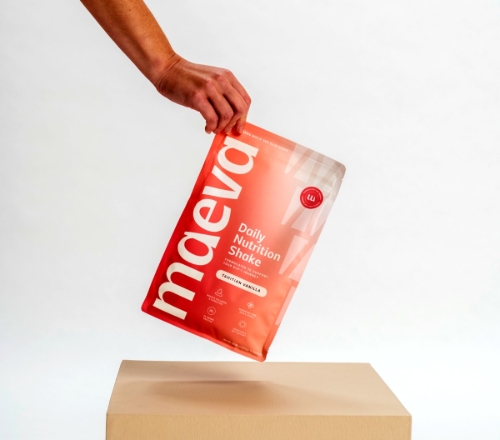
Maeva’s Daily Nutrition Shake for Muscle Preservation for GLP-1 Users
The Hidden Side of Weight Loss
GLP-1 medications work in part by reducing appetite, helping users consume fewer calories and lose weight. For many people, that has been life-changing. However, eating less can also make it more challenging to get enough protein and other important nutrients throughout the day.
That’s where concerns about muscle loss come into play. Muscle supports strength, mobility, balance, and metabolism. Losing excess body fat may be the goal, but maintaining muscle is an important part of staying healthy during the process.
Why Protein Is Taking Center Stage
The growing awareness around muscle preservation has sparked a surge in protein-focused foods, beverages, and supplements aimed at people using weight-loss medications.
Dietitians often recommend prioritizing protein intake during weight loss because it provides the building blocks the body needs to help maintain muscle tissue. As appetite decreases, every meal becomes more important from a nutritional standpoint.
Consumers are responding by seeking convenient ways to increase protein intake without feeling like they have to force themselves to eat large meals.
A Nutrition Shake Designed for GLP-1 Users
Maeva’s Daily Nutrition Shake was created specifically for people using GLP-1 medications, as well as those following reduced-calorie eating plans. Unlike traditional meal replacement products, the formula was developed around the unique nutritional challenges many GLP-1 users face.
The science-backed shake is designed to help support protein intake while addressing one of the most common concerns associated with rapid weight loss: maintaining lean muscle mass.
As the weight-loss medication market continues to grow, products tailored to the specific needs of these consumers are becoming an increasingly important part of the conversation.
A Shift in the Weight-Loss Discussion
Just a few years ago, most of the attention surrounding GLP-1 medications focused on how much weight people could lose. Today, the discussion is becoming more nuanced.
Healthcare professionals are increasingly talking about body composition, protein intake, strength training, and long-term health outcomes. The goal isn’t simply to lose pounds. It’s to lose weight in a way that supports overall wellness and helps people maintain their strength and quality of life.
As more Americans turn to GLP-1 medications, muscle preservation is likely to remain one of the most important topics shaping the future of weight management.
We had some questions for Registered Dietitian Ashley Koff.
L.A.’s The Place: Why has muscle preservation become such an important topic among people using GLP-1 medications?
Ashley Koff, RD: It’s become much more popular across demographics, and people now have access to tools at home, such as BIA scales, that can measure body composition. GLP-1 medications delay gastric emptying, which can create or worsen digestive challenges, making it harder to provide muscles and bones with the nutrients they need in optimal amounts. Many people also experience muscle weakness and a “flabby” appearance when weight loss happens too quickly or without adequate nourishment.
LATP: How much protein should GLP-1 users typically consume to support healthy weight loss?
Koff: I actually think that’s the wrong question. The better question is: What should a GLP-1 user consume to optimize fat loss while maintaining or building bone, muscle, hair, and energy? First, they need to optimize digestion. Second, they should spread protein intake throughout the day, aiming for about 20 to 30 grams at a time. Third, they need to optimize amino acid intake. I focus on creatine, collagen, and glutamine because they directly impact muscle and bone health. That’s one reason I recommend Maeva’s nutrition shake for GLP-1 users rather than a simple protein powder. Nutrients like vitamin C and copper are also needed to absorb and utilize these amino acids. It’s not just an all-protein game when it comes to muscle and bone health.
LATP: What are the most common nutritional mistakes you see among people taking GLP-1 medications?
Koff: Many people try to drink half their body weight in water, consume 30 grams of fiber all at once, or eat one gram of protein per pound of body weight without first optimizing digestion or evaluating amino acid diversity. Another common mistake is focusing only on protein and fiber.
LATP: Why does appetite suppression make nutrition planning more important?
Koff: Appetite suppression is a major factor, but it’s not the only one. When we don’t feel hungry, just as when we feel overly hungry, we don’t necessarily make better choices. We may go too long without eating or simply grab whatever is convenient. For many people who have spent their lives dieting, that can feel liberating, but it often results in poor nutritional decisions.
LATP: Can people successfully lose weight while maintaining lean muscle mass?
Koff: One thousand percent. Any practitioner who blames either the medication or the patient shares responsibility if they fail to develop a plan that optimizes fat loss while protecting muscle and bone.
LATP: What role does protein play in protecting muscle during weight loss?
Koff: Specific amino acids play critical roles in muscle and bone building, as well as repair and recovery.
LATP: Are there certain groups, such as older adults, who should be especially concerned about muscle loss?
Koff: Anyone who currently has, or has had, suboptimal nutrition throughout life may be at greater risk. As we age and hormone levels decline, the body becomes less focused on building muscle. However, one of the biggest issues for aging adults, and younger people as well, is poor digestion. This can result from medications, lower stomach acid levels, reduced movement, and a lack of muscle-challenging activity. These challenges are not limited by age.
LATP: How does Maeva’s Daily Nutrition Shake address the unique needs of GLP-1 users?
Koff: GLP-1 users face three primary challenges when it comes to muscle and bone health: achieving optimal nutrient intake, effectively utilizing those nutrients through digestion, and maintaining enough energy for strength training or muscle-challenging activities. Maeva delivers a full spectrum of nutrients to support optimal intake, includes ingredients that support digestion, is consumed as a liquid for easier absorption, is light and easy to tolerate, and contains nutrients that help support energy. Another advantage is that it can replace multiple supplement pills, which are often more difficult to tolerate.
LATP: What nutrition strategies do you recommend beyond increasing protein intake?
Koff: We’ve covered many of them already, but I would add the concept of “pit stops” rather than traditional meals or snacks. Consuming nutrients at regular intervals helps train the body to expect nourishment and reduces the stress that comes from trying to eat too much at one time. Optimizing hydration is also important.
LATP: What do you think is the biggest misconception people have about weight loss and muscle preservation?
Koff: The biggest misconception is that weight loss itself is a health goal. It isn’t. Muscle isn’t optional, and it isn’t just about looking good or lifting heavy objects. Muscle is a critical part of the body’s overall health ecosystem. We cannot ignore it at any age. If you lose muscle today, it will negatively affect your ability to maintain fat loss in the future.
Thank you Ashley!