
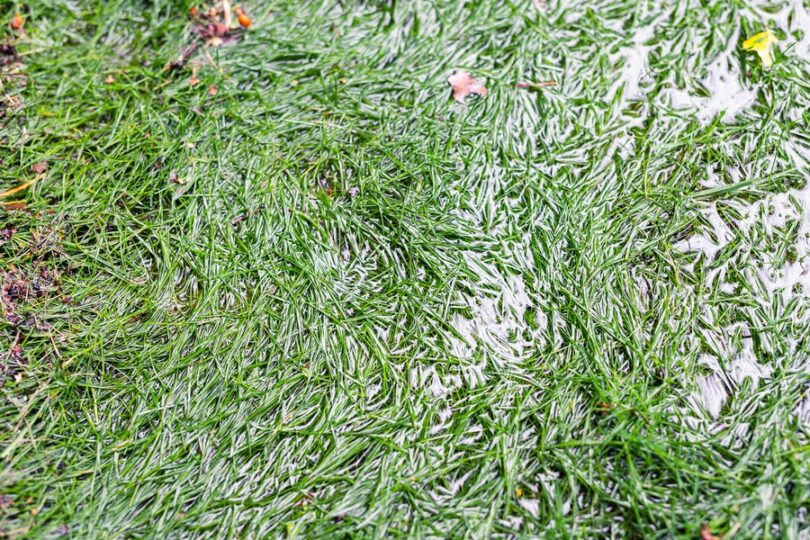

A muddy lawn can feel like one of those annoying problems that should fix itself, given enough time. If the rain never lets up, then your yard will likely remain muddy for quite a while. Still, there are times when it never really clears up even after the weather finally lets up.
Either way, excessive mud is often a clue that water isn’t moving out of your yard the way it should. If you’re curious as to what kinds of bigger issues muddy lawns often point to, this brief guide is here to help.
Poor Drainage Can Hide in Plain Sight
A lawn doesn’t turn muddy for no reason. If water keeps sitting in the same area, the soil may not be draining well. Compacted soil can make the problem worse because water has a harder time soaking in.
This can happen in areas where kids play, or paths that pets run through every day. It can also show up near patios or walkways where water gets pushed toward the grass. Once the soil stays wet for too long, the lawn may thin out, leaving even more exposed mud behind.
The Yard May Be Graded the Wrong Way
A yard should guide water away from the house and toward a safe drainage area. If you have a constant muddy lawn, this could point to drainage issues in your yard. Improper slopes will cause rainwater to collect in low spots, turning your yard into a mess of soggy patches.
Grading problems can also affect areas near the foundation. If water moves toward the home, the issue becomes more than a lawn problem. It may be worth having the slope checked before the muddy area grows or starts affecting nearby structures.
Landscaping Choices Can Change Water Flow
A pretty yard can still create drainage trouble if the layout blocks water from moving naturally. Raised beds may trap runoff in one section of the lawn. Dense plantings can also slow drying by keeping sunlight and airflow away from wet soil.
This is where homeowners benefit from understanding how landscaping choices affect a home’s drainage system. A new border or planting area should work with the yard’s water patterns, not against them. Good design keeps the space looking polished while still allowing water to flow where it needs to go.
Gutters and Downspouts Might Be Part of It
Sometimes the lawn gets blamed when the real issue starts at the roofline. Gutters that overflow can dump too much water near one part of the yard. Outside of that, downspouts that end too close to the house can send water into the same muddy spot after every storm.
A simple extension can often move water farther away from problem areas. Clean gutters help too, especially during seasons when leaves collect quickly. If the lawn keeps getting soaked near the house, start by watching where the water goes during the next rainstorm.
Mud Can Signal Lawn Health Problems
The worst part about having wet soil is that it makes it harder for grass roots to stay strong. When roots struggle, the lawn becomes thinner and less able to handle normal use. That creates a cycle in which mud forms more quickly after each rain.
A healthier lawn can absorb water more effectively, but it needs the right conditions first. Fixing drainage usually matters more than tossing seed on top of wet ground. Once the water issue improves, the grass will have a much better chance of recovering.