


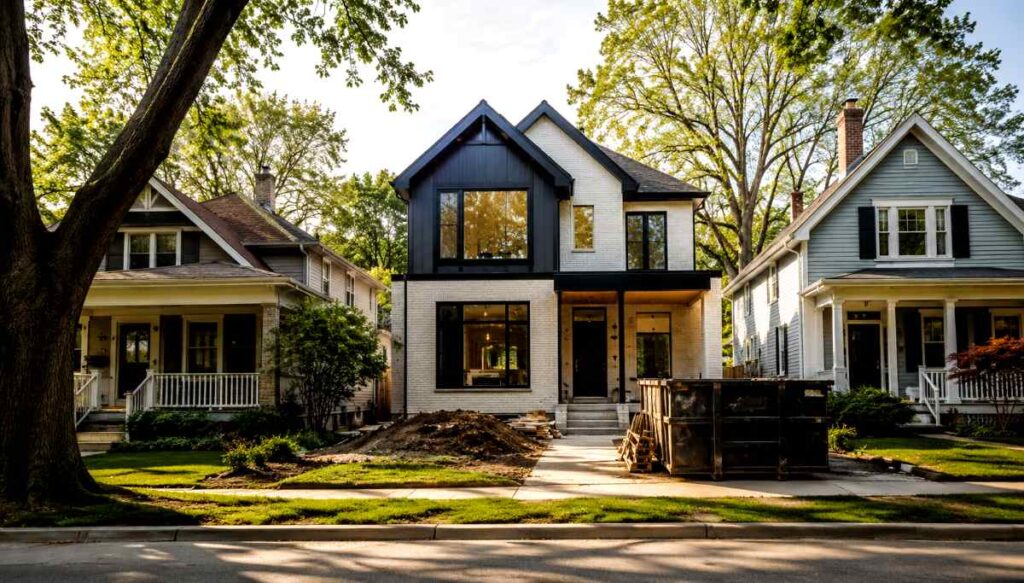
Starting over with a new house isn’t always about a blank lot or a new subdivision. Sometimes, you’re planning to tear down and rebuild right in the heart of a neighborhood that’s been around a long time. Trust me, this journey can be tricky—but it can also be incredibly rewarding. If you’re thinking about taking on a project like this, here’s a real-world guide to getting through it (with your sanity and maybe even some neighborly goodwill intact).
Tread Lightly and Talk Early
A big demo and rebuild project can make some waves—okay, sometimes a tidal wave—in a close-knit neighborhood. Before any hammers fly, talk to your neighbors. Don’t wait until there’s a dumpster in your driveway and trucks lined up outside. Grab a coffee, walk next door, and chat about what you’ve got in mind. Being upfront might not solve every complaint down the road, but it goes a long way toward building trust. Plus, you might hear about local quirks or even get tips from folks who’ve lived there forever.
Check the Rules—Seriously, Check Everything
One of the fastest ways for your plans to hit a wall is assuming you can do whatever you want with your land. Most established neighborhoods come with a list of restrictions that rivals a Thanksgiving grocery list. You’ve got zoning laws, homeowner association covenants, historic guidelines (sometimes), and municipal codes, all stacked on top of each other. Read the fine print—twice. Your city’s planning office website is usually a gold mine, and it never hurts to drop by in person or call with your questions.
Line Up the Right Team
Unless you moonlight as an architect or builder, you’re going to need a collection of folks who know what they’re doing. Choose a designer who understands both what you want and what the neighborhood expects. A local contractor who’s worked in the area before can also save a ton of headaches, because they’ll have the lay of the land (sometimes literally).
If you run into a sticky legal issue—maybe a boundary dispute, or a neighbor who’s convinced your house will block out the sun—don’t panic. That’s when experienced construction attorneys become worth every penny. Sometimes you just need someone who’s navigated these waters before.
Expect Surprises and Pad Your Timeline
No matter how buttoned-up your plans are, old neighborhoods love to throw you curveballs. Maybe there’s buried concrete from a garage nobody remembers, or your plans get hung up at city hall. Leave some cushion in your timeline (and your budget) for surprises. It’s honestly better to expect a snag or two than to be blindsided.
Build Like You Plan To Stay
Last thought—try to design a home that feels right for the street, not just your Pinterest board. Blending a little with neighboring houses doesn’t mean giving up your dream, but it does help your new place feel like it’s always belonged. You’ll thank yourself later, and so will your neighbors, when your rebuild fits right in as another thread in the fabric of the block.
Big projects in old neighborhoods can feel overwhelming, but they’re doable with a little heart, a thick skin, and a good team to back you up. And hey, when it’s all done, you might even find you’ve made a few friends along the way.