


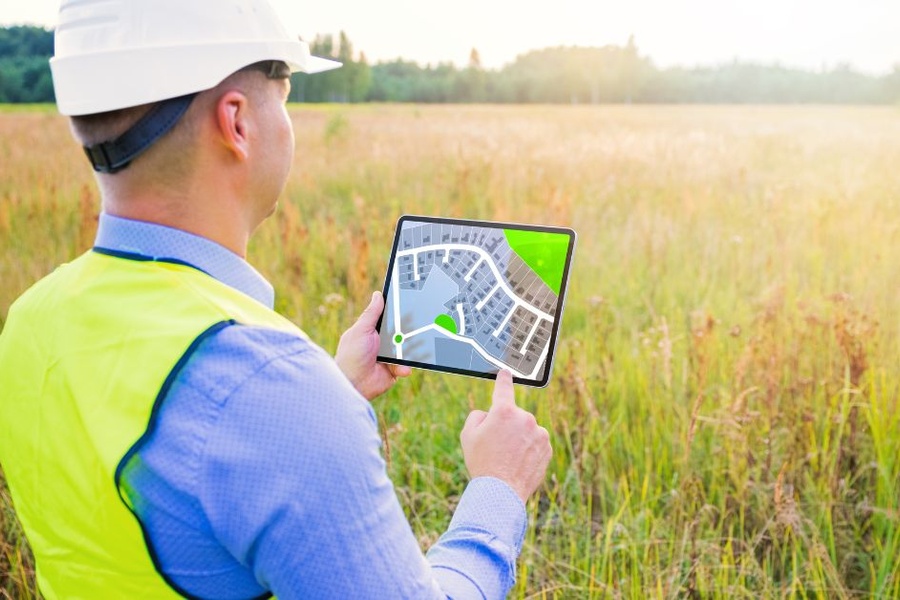
Buying land later in life brings freedom and opportunity. You may want space for a custom home, a small farm, or a peaceful retirement retreat. While many buyers focus on price and location, several critical details often receive little attention. Overlooking these factors can create stress, unexpected costs, and long-term regret. Understanding what truly matters helps you protect your investment and make confident decisions.
Access and Road Maintenance
A beautiful parcel loses value quickly if you cannot reach it easily. Many rural properties sit on private roads or shared driveways. You need to confirm legal access, recorded easements, and maintenance agreements before closing.
Ask clear questions:
- Who maintains the road year-round?
- How do neighbors share maintenance costs?
- Can emergency vehicles access the property?
- Does the road flood or wash out during storms?
You should also drive the route in different weather conditions. A dry summer visit may hide winter hazards or drainage problems. Reliable access supports both resale value and daily convenience.
Utilities and Infrastructure
Utilities shape both comfort and budget. Some properties lack connections to water, sewer, electricity, or high-speed internet. Extending utility lines can cost far more than expected.
If the land requires a well and septic system, schedule inspections early. Local regulations often limit placement and system size. You should verify power line distance and connection fees with the utility provider. Internet service matters more than ever, especially if you plan to work remotely or stream entertainment.
Do not assume nearby homes guarantee easy connections. Each parcel has unique requirements and costs.
Zoning and Future Use
Zoning laws determine what you can build and how you can use the land. Many buyers assume flexibility, then discover strict limits on home size, livestock, or additional structures.
Review local zoning codes and comprehensive plans. Ask about setbacks, building height limits, and subdivision rules. If you plan to add a guest house or workshop later, confirm that local regulations allow those improvements.
You should also research nearby development plans. A quiet field today could become a busy commercial site tomorrow. Long-term peace and privacy depend on careful investigation.
Environmental and Soil Considerations
Land condition affects both construction and ongoing enjoyment. Buyers often skip a thorough soil quality evaluation, yet soil determines foundation stability, drainage, and agricultural potential.
Hire qualified professionals to test soil composition and percolation rates. Poor drainage can lead to foundation cracks and septic failure. Rocky or unstable soil can increase excavation costs. If you plan to garden or grow crops, soil nutrients and contamination levels matter greatly.
You should also check for wetlands, flood zones, and protected habitats. Environmental restrictions can limit building locations and add permitting steps.
Property Boundaries and Surveys
Fences and tree lines rarely mark true property boundaries. Without a recent survey, you risk disputes with neighbors or costly corrections later.
Order a professional survey before you finalize the purchase. Confirm acreage, boundary lines, and any encroachments. Verify easements for utilities, shared driveways, or neighboring access. Clear boundaries protect your investment and prevent legal conflicts.
Ongoing Costs and Taxes
Many buyers focus on the purchase price and forget long-term expenses. Vacant land still carries financial responsibilities.
Consider:
- Property taxes and possible reassessments
- Insurance requirements
- Homeowners association fees
- Land clearing and maintenance costs
Ask the local tax assessor about current rates and future projections. Some areas reassess property value after improvements, which can increase annual taxes significantly.
Buying land offers exciting possibilities, especially when you plan carefully. By examining these often-overlooked details, you gain clarity, avoid surprises, and move forward with confidence.