


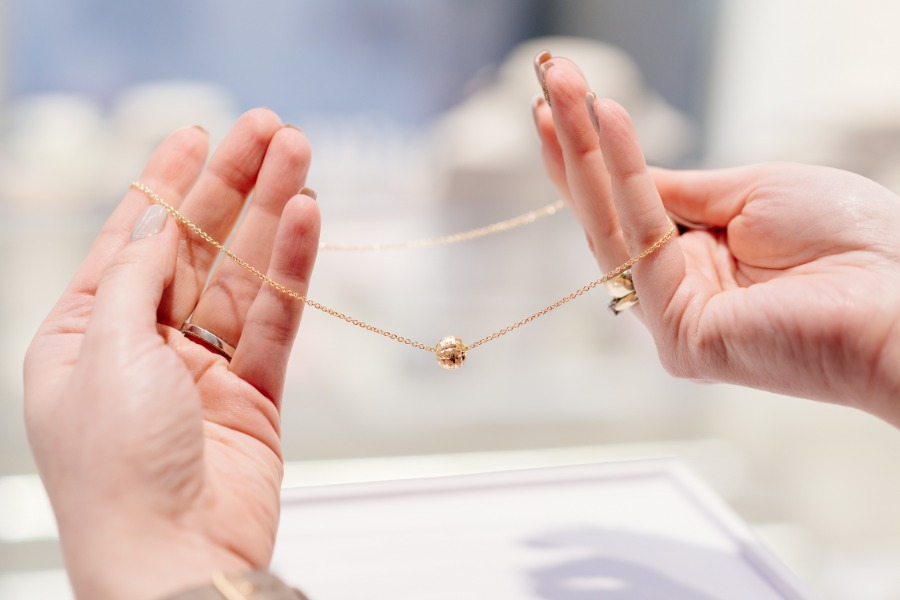
Not all that glitters is good. A lot of jewelry on the market looks beautiful but comes from harmful labor practices or environmental damage. If you’re buying for yourself or someone else, you probably want something that looks good and feels good to wear. So let’s break down how to tell if jewelry is ethically made—without needing a degree in supply chains.
Look for Transparent Sourcing Information
Brands that care about ethical practices won’t make you dig for details. They’ll tell you exactly where their materials come from—down to the region or even the specific mine. If the company avoids answering or keeps things vague, that’s a red flag.
You want to see clear statements about fair labor practices, safe working conditions, and conflict-free materials. If they name their suppliers or share sourcing certifications, that’s a good sign.
Ask About Who Made the Jewelry
Ethical jewelry doesn’t come from factories with unsafe conditions or unfair wages. It comes from skilled artisans or workers who are paid fairly and treated with respect. Some companies partner with local craftspeople or small workshops, and they’ll proudly highlight that. You might even see stories or profiles of their makers. If you don’t, and there’s no mention of labor practices at all, it’s worth questioning why.
Check for Sustainability Practices
Ethical jewelry also respects the environment. That means using recycled metals, lab-grown stones, or natural gems sourced with care. Companies that focus on sustainability usually talk about their environmental impact openly. They’ll explain how they reduce waste, limit chemical use, or recycle water during production. These aren’t small details—they show a real commitment to responsible business.
Look for Third-Party Certifications
It’s easy for a company to say they’re ethical, but it means a lot more when someone else verifies it. Certifications from organizations like Fairmined, Fairtrade Gold, or the Responsible Jewellery Council add credibility. They’re not perfect, but they do offer some reassurance. If a brand claims to follow ethical practices but doesn’t back it up with any recognized certifications, take that into account.
Watch for Red Flags Like Mass Production or Imitation Designs
Cheap, mass-produced jewelry usually doesn’t meet ethical standards. And some sellers try to profit from cultural art forms without respect or permission.
For example, do you love the handcrafted detail of squash blossom necklaces or other traditional Indigenous styles? Be careful when you shop for those, because authentic Native American jewelry can be hard to find. It’s commonly targeted by counterfeiters, because real craftsmanship is rare and valuable. They create cheap imitations with none of the original meaning or artistry.
While this is illegal per the Indian Arts and Crafts Act, those knockoffs still flood the market. Look for artist signatures, tribe-specific hallmarks, or certificates of authenticity to help separate the real pieces from the fakes.
What To Take with You
Being able to spot how to tell if jewelry is ethically made means you won’t just end up with something pretty—you’ll walk away with something meaningful. Buying from ethical sources supports fair labor, protects the environment, and helps preserve cultural heritage. And if you’re unsure? Don’t rush the purchase. There’s no downside to doing a little investigation first.