
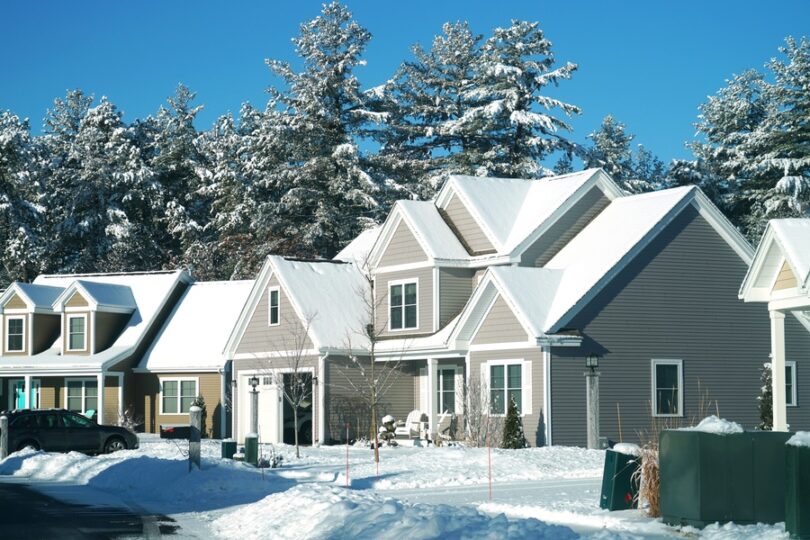

Mitigating the impacts of extreme cold on real estate properties is a vital part of your real estate investments. From frozen pipes to structural damage, the financial impact of winter’s wrath can be substantial. For property owners, preparing for these cold snaps is not just a good idea—it’s a crucial step in protecting your assets and ensuring your tenants’ safety.
Investing in real estate is a proven path toward building wealth, but successful investors know that protecting those investments is just as important as acquiring them. Understanding the risks associated with extreme cold and taking proactive measures can save you from costly repairs and potential financial losses.
Follow these clear, actionable steps to safeguard your properties against the harshest winter conditions, giving you peace of mind and preserving the value of your portfolio.
The Risks of Cold Weather for Properties
Plummeting temperatures pose unique challenges for any building. Ignoring these risks can lead to costly, time-consuming problems that affect your bottom line and your tenants’ well-being.
Frozen and Burst Pipes
This is one of the most common and costly issues property owners face during winter. When water inside pipes freezes, it expands, creating immense pressure. This pressure can cause pipes to crack or burst entirely.
The resulting water damage can be catastrophic, ruining floors, walls, insulation, and personal belongings. A burst pipe can lead to thousands of dollars in repairs and may even require extensive mold remediation if left unaddressed.
Roof and Gutter Damage
Snow and ice accumulation can put a tremendous strain on a building’s roof. Heavy snow can exceed a roof’s load capacity, leading to structural damage or even collapse in extreme cases. Ice dams are another significant concern. These form when heat from the building melts snow on the roof, which then refreezes at the colder eaves.
This ridge of ice blocks proper drainage, causing water to back up under shingles and leak into the attic and walls. This moisture can cause wood rot, damage insulation, and create a moldy environment.
HVAC System Failures
Heating, ventilation, and air conditioning (HVAC) systems work overtime during extreme cold. This increased strain can lead to breakdowns, especially in older or poorly maintained units.
A furnace failure during a cold snap is more than an inconvenience; it’s an emergency. Without heat, the risk of pipes freezing increases dramatically, potentially making the property uninhabitable for tenants and violating lease agreements.
Foundation and Structural Issues
The freeze-thaw cycle can wreak havoc on a property’s foundation. When moisture in the ground freezes, it expands, and when it thaws, it contracts. This repeated process, known as “frost heave,” can exert pressure on foundation walls, causing them to crack or shift. Over time, this can compromise the structural integrity of the entire building, leading to expensive and complex repairs.
How to Prepare Your Property for Winter
Proactive preparation is your best defense against winter weather. By taking these steps before the first freeze, you can significantly reduce the risk of damage and ensure your property remains safe and secure.
1. Inspect and Insulate Pipes
Your first line of defense against frozen pipes is proper insulation.
- Identify Vulnerable Areas: Check for exposed pipes in unheated spaces like basements, crawl spaces, attics, and garages. Pipes located along exterior walls are also at high risk.
- Add Insulation: Use pipe sleeves or heat tape to insulate vulnerable pipes. For a low-cost solution, even a newspaper can provide a temporary layer of protection in an emergency.
- Seal Air Leaks: Look for any cracks or openings near pipes that could let in cold air. Use caulk or insulation to seal these gaps and keep the surrounding area warmer.
2. Service the HVAC System
A functional heating system is non-negotiable in winter.
- Schedule a Professional Tune-Up: Have an HVAC technician inspect your furnace or heating system in the fall. They can clean the unit, check for potential issues, and ensure it’s running efficiently.
- Change Filters Regularly: Clogged filters force the system to work harder, increasing the risk of failure and driving up energy bills. Replace filters according to the manufacturer’s recommendation, typically every 1-3 months.
Real estate properties with mini-splits, a miniaturized HVAC system that uses an outdoor compressor/condenser to control heating and cooling inside a building, need to take a different approach. Other factors impact mini split performance in extreme cold, since they have a lower operational temperature limit. Contact a professional if you notice the mini split is not working properly in cold weather.
3. Prepare the Exterior
Your building’s exterior is its first line of defense against the elements.
- Clean Gutters and Downspouts: Remove leaves and debris from gutters to prevent ice dams from forming. Ensure downspouts direct water at least three to four feet away from the foundation.
- Inspect the Roof: Check for any damaged, loose, or missing shingles that could allow water to penetrate. It’s wise to have a professional roofer inspect the roof before winter arrives.
- Shut Off Exterior Water Sources: Drain and shut off outdoor faucets and sprinkler systems to prevent them from freezing and bursting.
4. Educate Your Tenants
Your tenants can be your greatest allies in preventing winter damage.
- Communicate Proactively: Send out a winter preparedness notice to all tenants. Remind them to keep the heat set to a reasonable temperature (at least 55°F or 13°C), even when they are away, to prevent pipes from freezing.
- Provide Clear Instructions: Advise them to let faucets drip slowly during extreme cold snaps to keep water moving through the pipes. Make sure they know the location of the main water shut-off valve in case of an emergency and how to contact you or your property manager immediately if they suspect a problem.
What to Do During an Extreme Cold Event
Even with preparation, extreme weather can create emergencies. Here’s how to respond.
- Monitor the Property: If possible and safe, check on your properties during a cold snap, especially if they are vacant.
- Address Frozen Pipes Immediately: If a tenant reports a frozen pipe (usually indicated by no water or a trickle from a faucet), advise them to open the faucet and gently apply heat to the frozen section with a hairdryer. Never use an open flame.
- Have Emergency Contacts Ready: Keep a list of reliable 24/7 plumbers, HVAC technicians, and restoration companies. Quick action can make a significant difference in minimizing damage and costs.
Build a Resilient Investment Strategy
Protecting your real estate properties from the impact of severe weather is a fundamental part of being a successful real estate investor. The more proactive you are in maintaining your investments, the more secure your financial future will be.
By implementing these winterization strategies, you not only safeguard your physical assets but also build a reputation as a responsible and reliable landlord. Take these steps today to ensure your properties—and your profits—are protected all winter long.