
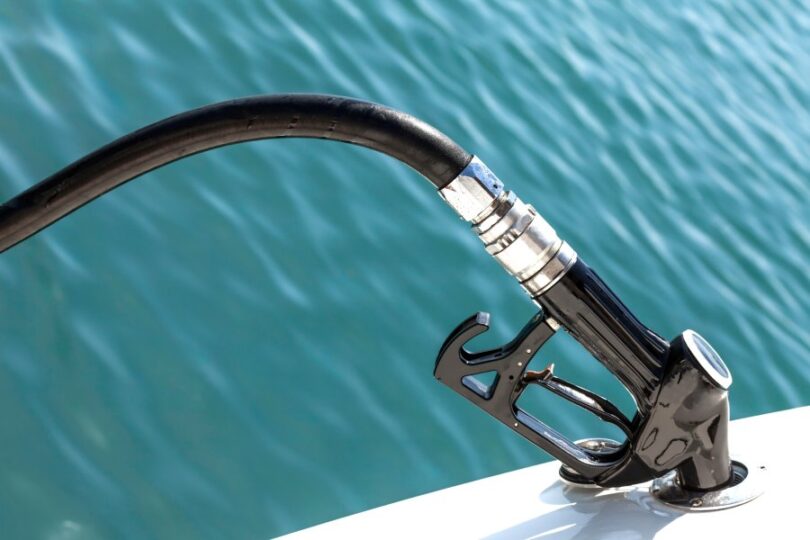

Boating might be your favorite pastime, but rising fuel costs can sometimes cast a shadow over the fun. By making a few simple adjustments to how you operate and maintain your boat, you can spend less on petrol and more time enjoying the waves. For anyone looking to get the most out of their tank, maximizing boating fuel efficiency on the water is a smart and achievable goal.
Lighten Your Load
One of the most straightforward ways to improve fuel economy is to reduce the weight your boat is carrying. Think of it like packing for a holiday; you only want to bring what’s necessary. Extra gear, unneeded water in ballast tanks, and general clutter all add weight.
The heavier the boat, the more power it takes to move through the water, which burns more fuel. Before you set off, take a moment to offload any items you won’t need for your trip.
Find Your Boat’s ‘Sweet Spot’
Every boat has an optimal cruising speed, often called its “sweet spot,” where the engine runs most efficiently. This is typically when the boat is comfortably on plane but not pushing its top speed. Running at full throttle can burn significantly more fuel for only a small gain in speed.
To find your boat’s sweet spot, you can use a fuel-flow meter or simply experiment. Pay attention to your engine’s sound and the boat’s performance at different RPMs until you find a speed that feels smooth and efficient.
Keep Your Hull Clean
A smooth, clean hull glides through the water with less resistance. Over time, marine growth like barnacles, algae, and slime builds up on the hull, creating drag. This extra friction forces your engine to work harder, increasing fuel consumption. Regularly cleaning your boat’s hull, especially if it lives in the water, is a crucial step for maintaining good performance and fuel economy.
Plan Your Route and Watch the Weather
A little planning can go a long way in saving fuel. Before you head out, check the weather forecast and tide times. Heading out with the tide and wind behind you, and returning with them in your favour, can give you a helpful push.
Planning the most direct route to your destination also prevents unnecessary mileage. Small navigational choices add up over a season of boating.
Consistent Engine Upkeep
A well-maintained engine is an efficient engine. Regular checks and servicing help it run at peak performance, which directly impacts how much fuel it uses. Performing essential boat engine maintenance, such as changing the oil or checking spark plugs, can make a noticeable difference in how you conserve and use fuel. A properly tuned engine saves fuel but also enhances reliability on the water.
Use Trim to Your Advantage
Adjusting your boat’s trim can make a surprising difference in how smoothly it moves through the water. By trimming the engine up or down, you can change how the hull sits and cuts through the waves. The right trim lifts the bow just enough to let your boat glide efficiently, reducing drag and helping the engine work less for the same speed.
By adopting these habits, you can make a real impact on your boat’s petrol consumption. It’s about boating smarter, not harder. Taking these small steps allows more time to be spent making memories with friends and family. Maximizing boating fuel efficiency on the water is a rewarding effort for any boat owner.