
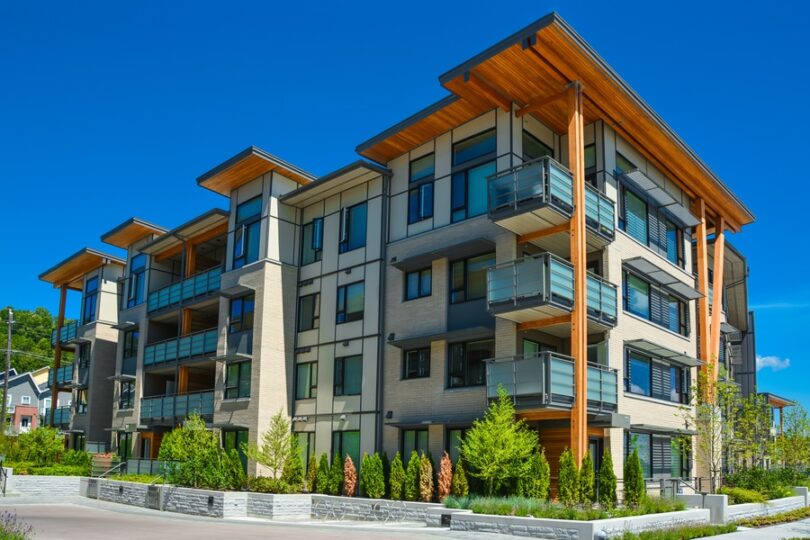

The challenge of finding affordable housing is a significant issue in many of the world’s rapidly expanding urban centers. As populations increase, so does the demand for living spaces, often pushing prices beyond the reach of many residents. This article explores four practical and affordable housing solutions for growing cities, offering a look into how innovative approaches can help create more accessible living environments for everyone.
Micro-Housing Units
Micro-housing units are compact, self-contained living spaces designed for single occupants. These small apartments, typically under 400 square feet, maximize efficiency by integrating living, sleeping, and cooking areas into one open-plan design. Reducing the physical footprint lowers construction costs, making these units a more affordable option in high-density urban areas. While the limited space can be a drawback for some, for many, it provides a functional way to live in a prime city location without the high price tag.
Co-Living Spaces
Co-living spaces blend private bedrooms with shared common areas like kitchens, living rooms, and workspaces. This model helps reduce housing costs by distributing the expense of larger, shared amenities among multiple tenants. Beyond the financial benefits, co-living fosters a sense of community, which can be particularly appealing to young professionals and newcomers to a city. It provides a built-in social network and shared resources, making urban living more manageable and less isolating.
Multifamily Housing
Developing multifamily housing is a key strategy for increasing the housing supply in densely populated areas. These properties, which include everything from duplexes to large apartment complexes, accommodate multiple households within a single building or property. By building vertically, developers can make more efficient use of limited urban land. For example, policies promoting multifamily housing in California have aimed to increase the number of available rental units in high-demand areas. This approach helps to meet the growing need for housing while offering more cost-effective options than single-family homes.
Accessory Dwelling Units (ADUs)
Accessory dwelling units (ADUs) are essentially smaller, independent living spaces located on the same property as a main single-family house. ADUs include converted garages, basement apartments, or small, newly constructed backyard cottages. ADUs provide a flexible way to increase housing density in existing residential neighborhoods without drastically altering their character. For homeowners, building an ADU can generate rental income, while for renters, it offers a more affordable housing choice in a desirable area.
These strategies represent just a few of the creative ways cities are addressing housing affordability. By embracing a variety of approaches, it is possible to develop effective and affordable housing solutions for growing cities that meet the diverse needs of their residents.