


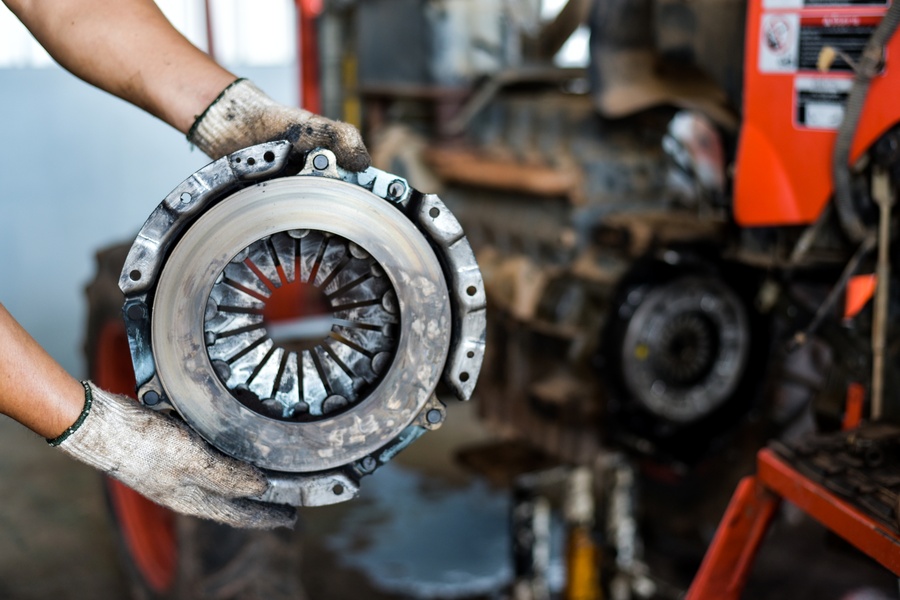
Your car’s clutch serves as the vital link between your engine and transmission, allowing you to shift gears smoothly and control your vehicle’s power. When this essential component starts to fail, your daily commute can quickly become a frustrating experience marked by jerky movements and concerning noises.
But how can drivers know when it’s time to replace their car’s clutch? In our guide below, we explain the common indications of a failing clutch and outline the major factors in a clutch’s lifespan.
Slipping Clutch
Clutch slippage is one of the most common signs that replacement time is approaching. You’ll notice your engine revs increase without a corresponding increase in speed, particularly when accelerating uphill or merging onto freeways. The clutch disc has worn too thin to maintain proper grip against the flywheel, causing power to slip away instead of transferring to your wheels.
Sticking Clutch
When your clutch pedal feels heavy or doesn’t engage properly, the hydraulic system or clutch components may be at fault. You might struggle to shift into first gear from a complete stop or to move between gears while driving. This sticking sensation often worsens gradually, making gear changes increasingly challenging.
Clutch Chatter
Clutch chatter creates noticeable vibrations or shaking sensations when you engage the clutch pedal. Your car might shudder or jerk as you release the pedal, especially when starting from a complete stop. This symptom typically indicates uneven wear on the clutch disc or problems with the pressure plate assembly.
Unusual Noises
Another way to know when it’s time to replace your car’s clutch is the sounds your vehicle makes while driving. Strange sounds can provide the clearest indication of clutch problems.
Grinding noises when shifting gears suggest worn synchronizers or clutch components. Squealing sounds when pressing the clutch pedal typically point to release bearing issues. Rattling noises while idling in neutral often indicate problems with the clutch disc springs or other internal components.
What Affects Your Clutch’s Lifespan
There are many factors that will determine the longevity of your vehicle’s clutch. Aggressive driving habits significantly reduce clutch life. Riding the clutch pedal, racing from traffic lights, or frequently engaging the clutch at high RPMs creates excessive heat and wear.
Los Angeles traffic patterns create challenging conditions for manual transmissions. Stop-and-go traffic on the 101 or 110 freeways forces constant clutch engagement and disengagement. Hill starts throughout the city’s varied terrain also place additional stress on clutch components.
Towing trailers, hauling heavy loads, or using your vehicle for work purposes accelerates clutch wear. The additional weight requires more power transfer through the clutch system, generating extra heat and friction.
When Replacement Becomes Necessary
A professional diagnosis confirms whether your clutch needs replacement or whether other issues are causing your symptoms. The priorities when looking for a replacement clutch for your car are that it fits your vehicle type and your intended use. Clutch replacement typically requires removing the transmission, making this a complex job best left to experienced mechanics.
Keep Your Manual Transmission Running Smoothly
Regular maintenance and attentive driving habits significantly extend your clutch’s service life. Pay attention to these warning signs and address problems promptly. Schedule professional inspections when you notice any unusual symptoms, and remember that proactive replacement prevents roadside breakdowns.