
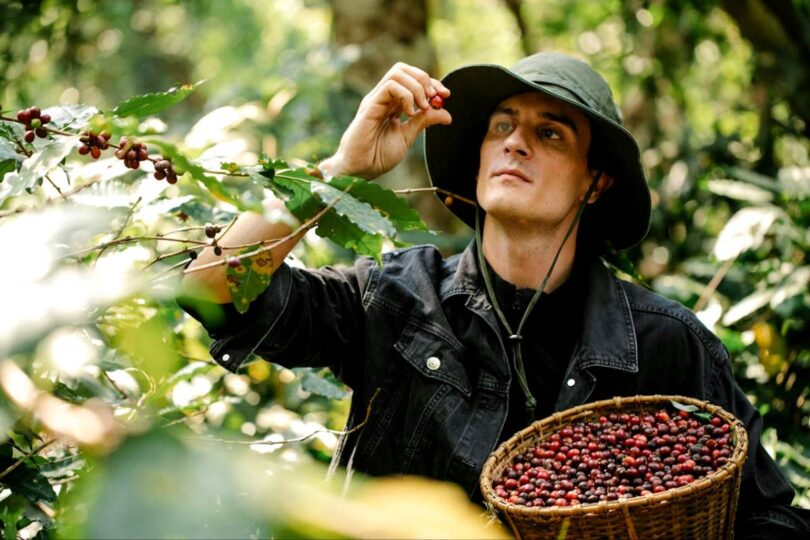

Sustainable and ethically sourced coffee has moved from a niche preference to a priority for many who value quality and responsibility in every cup. The rise of online coffee stores makes it easier than ever to choose beans that support fair trade practices, protect the environment, and maintain exceptional flavor profiles. This guide shows where to find coffee that tastes great while aligning with ethical and environmental values.
From small-batch roasters to established ethical brands, the options available online offer something for every taste preference. These stores connect consumers with beans sourced through transparent, fair partnerships that respect both farmers and the land. The following sections explore some of the best choices for those who want their coffee to make a positive impact.

Ebru Coffee – Medium Roasted Ethically-sourced Coffee Beans
This medium roast black honey coffee originates from the Minas Gerais region of Brazil, known for its fertile volcanic soil and strong coffee-growing traditions. Farmers use a black honey processing method that leaves some of the fruit’s mucilage on the bean, which gives the coffee a gentle natural sweetness.
The roast level strikes a balance between preserving the bean’s original flavors and bringing out a smooth body. Notes often include mild fruit tones alongside a subtle caramel-like finish, making it approachable for a wide range of coffee drinkers.
Sustainability plays a role in its appeal. The beans come from farms that focus on responsible practices, supporting both the environment and local communities. This approach adds value beyond the cup.
Those interested can explore the medium roast black honey coffee for its combination of origin character, careful processing, and mindful sourcing. It offers a straightforward option for anyone seeking quality coffee with a traceable backstory.
Equator Coffee – Fair Trade, Organic, and Regenerative Farming
Equator Coffee has built its reputation on sourcing beans through fair trade partnerships that prioritize better pay and working conditions for farmers. The company also supports organic cultivation, which avoids synthetic chemicals and protects soil health.
Founded in the mid-1990s, it began with a focus on quality and ethical practices from the start. Over the years, it expanded into direct relationships with farms, including owning and operating its own.
In recent years, Equator Coffee has increased its work with Regenerative Organic Certified farms. These farms use agricultural methods that restore soil fertility, improve biodiversity, and reduce environmental impact.
Its approach combines environmental responsibility with a commitment to social equity in coffee-growing regions. This balance of sustainable farming and fair trade principles has made it a consistent choice for those seeking ethically produced coffee beans.
Dean’s Beans – Supports Marginalized Women and Ethical Practices
Dean’s Beans has built its business around organic and fair trade coffee sourced directly from farmers. The company prioritizes long-term relationships with growers and pays prices that support sustainable livelihoods. This approach benefits farming communities while maintaining high-quality coffee standards.
They actively support programs that empower marginalized women in the coffee industry. These initiatives provide training, resources, and opportunities for women to participate more fully in production and decision-making. As a result, local economies gain stability and diversity.
Environmental responsibility forms another core part of their model. They use shade-grown coffee to protect biodiversity and avoid harmful pesticides that damage ecosystems. Packaging choices and renewable energy investments further reduce their environmental footprint.
By combining ethical sourcing, social impact projects, and eco-conscious operations, Dean’s Beans demonstrates that coffee production can respect both people and the planet. Their practices reflect a consistent commitment to fairness and sustainability across every stage of the supply chain.
Gaia Coffee – Handcrafted, Ethically-sourced Gourmet Blends
Gaia Coffee focuses on sourcing beans directly from farmers who use sustainable agricultural methods. They work with growers who receive fair pay and maintain environmentally responsible practices. This approach supports both quality production and long-term community well-being.
Their beans come from diverse regions known for distinctive flavor profiles. Each batch is roasted in small quantities to maintain freshness and highlight natural characteristics. This allows drinkers to experience the unique qualities of each origin.
The brand emphasizes organic cultivation without synthetic chemicals. Shade-grown methods help preserve biodiversity and protect soil health. As a result, the coffee reflects a balance between environmental care and flavor integrity.
Gaia Coffee also pays attention to the sensory experience beyond taste. Packaging preserves freshness, while their blends offer aromas and textures that appeal to a wide range of preferences. This combination of ethics and craftsmanship makes their offerings stand out in the specialty coffee market.
Grounds for Change – Fair Trade, Environmentally-conscious Beans
Grounds for Change offers coffee that meets fair trade, organic, and shade-grown standards. The company roasts each batch to order, which helps maintain freshness and flavor. This approach supports both quality and ethical sourcing.
They source beans from farms that follow sustainable agricultural methods. As a result, the coffee supports biodiversity and reduces environmental impact. Shade-grown cultivation also helps protect bird habitats and natural ecosystems.
The brand commits to fair trade principles, which means farmers receive fair compensation for their work. This practice supports better livelihoods and more stable communities in coffee-growing regions.
Grounds for Change also incorporates eco-friendly operations into its business. For example, it uses renewable energy sources at its facilities. This reduces its carbon footprint while maintaining high product standards.
Customers can choose from light, medium, and dark roasts in various bag sizes. Each option reflects the origin’s unique characteristics, offering a range of flavors for different preferences.
Conclusion
Sustainable and ethically sourced coffee offers benefits for both the environment and farming communities. By choosing beans grown with responsible practices, consumers support fair labor and reduce environmental harm.
Many online stores now provide clear details about sourcing, certifications, and farming methods. This transparency allows buyers to make informed decisions that align with their values.
As demand grows, more producers adopt fair trade and eco-friendly methods. This shift creates better conditions for farmers while maintaining quality for consumers.
Selecting coffee from ethical sources helps create a more responsible supply chain without sacrificing taste or variety.
Feature photo by Michael Burrows.