
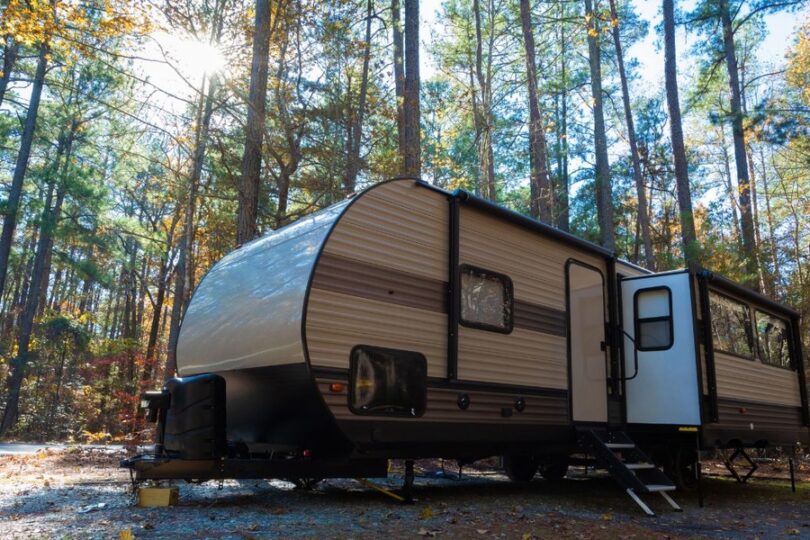

RV travel is one of the best ways to see more of the country. Drive past the mountains, sleep next to the coast. The options are seemingly endless when it comes to exploration in an RV.
However, there can be some concerns when it comes to eco-friendly living and RV ownership. How do you make your two lifestyles align? Thankfully, there are more and more ways to transform your RV adventures into sustainable journeys. And no, you don’t have to sacrifice comfort or your bucket list.
With a few small changes and some medium-sized adjustments, you can make your RV travel more eco-friendly. Embrace the unexpected partnership of green living and RV travel with this guide. We’ve laid out some strategies to help you reduce your environmental impact while still exploring the beauty of the great outdoors.
Choose Fuel-Efficient Routes and Travel Patterns
The first tip has to do with planning more than going with the flow. Smart route planning dramatically reduces your RV’s environmental impact. GPS apps now calculate fuel-efficient paths that avoid steep grades and heavy traffic. Mountain passes in western North Carolina require more fuel, so plan alternative routes when possible.
Combine Short Trips
Consolidate errands and sightseeing into single trips rather than making multiple short journeys. Your RV consumes more fuel during startup and warm-up phases. Staying at campgrounds for longer periods reduces frequent moves and fuel consumption.
We understand the urge to jet off and take in the next sight, but even tacking on one extra day can help!
Stick With Optimal Speed
If you’ve got a lead-foot partner, tell them to take it easy! Consider your RV’s optimal speed for fuel efficiency, typically between 55 and 65 mph. Driving faster increases wind resistance exponentially, forcing your engine to work harder. Maintain steady speeds using cruise control on flat terrain to maximize fuel economy.
Upgrade to Solar Power Systems
Solar panels interact with your RV power converter in beautiful ways. One of the best ways to make RV travel greener is by turning your rig into a self-sufficient energy producer. Modern solar systems generate enough power for lights, fans, water pumps, and small appliances without running generators or draining batteries.
Start with a basic 200- to 400-watt solar setup for essential needs. You can add panels gradually as your energy requirements grow. Lithium batteries store solar energy more efficiently than traditional lead-acid batteries, though they require higher upfront investment.
Solar power eliminates generator noise that disturbs wildlife and fellow campers. Many state parks and national forests restrict generator hours, making solar systems essential for extended boondocking adventures.
Implement Water Conservation Strategies
RVs carry limited freshwater supplies, making conservation essential for environmental and practical reasons. Install low-flow showerheads and faucet aerators to reduce water usage without sacrificing functionality.
Shower Smarts
Camping life is not the time to take 30-minute showers. Instead, take navy showers by turning water off while soaping and shampooing. This technique cuts shower water consumption by 50-75%. Collect shower warm-up water in buckets for dishwashing or toilet flushing.
Use biodegradable soaps and detergents that won’t harm soil or water sources when you dispose of greywater. Many campgrounds lack adequate greywater treatment facilities, so your product choices matter significantly.
Optimize Heating and Cooling Efficiency
RV climate control systems consume enormous amounts of energy. Proper insulation upgrades reduce heating and cooling demands substantially. Add reflective window coverings to block summer heat and retain winter warmth.
If you can, use fans to circulate air effectively before resorting to air conditioning. Pay close attention to optimal window hours. Open windows during cool mornings and evenings to reduce air conditioning needs.
Outside of windows, you can optimize heating and cooling by dressing appropriately for weather conditions rather than over-conditioning. Extra layers in winter and lightweight clothing in summer reduce energy demands significantly.
Parking Perfection
There’s more to the perfect parking spot than just the view. Park strategically to take advantage of natural shade and wind patterns. Trees provide cooling shade in summer, while southern exposure maximizes solar gain during winter camping.
Reduce, Reuse, and Recycle on the Road
RV waste management requires careful planning since you generate trash in remote locations. Pack reusable containers, water bottles, and shopping bags to minimize disposable item consumption.
Separate recyclables even when campground facilities lack recycling programs. Store clean recyclables until you reach towns with proper recycling centers. Many grocery stores accept plastic bags and batteries for recycling.
Try your best to buy products with minimal packaging when restocking supplies. Better yet, choose bulk items and refillable containers over single-use packages whenever possible.
Choose Eco-Friendly Campgrounds and Activities
Research campgrounds that demonstrate environmental commitment through renewable energy, water conservation, and waste reduction programs. Many state parks in the Carolinas lead sustainable camping initiatives.
Participate in Leave No Trace activities like hiking, birdwatching, and photography rather than motorized recreation. These pursuits connect you with nature without consuming additional fuel or creating noise pollution.
When you have some downtime in your travels, volunteer for trail maintenance, beach cleanups, or park conservation projects. Many parks welcome RV volunteers who can stay on-site while contributing to environmental protection efforts.
Maintain Your RV for Optimal Efficiency
Regular maintenance keeps your RV operating at peak efficiency. Clean air filters improve engine performance and fuel economy. Check tire pressure monthly since underinflated tires increase rolling resistance and fuel consumption.
Tune engines according to manufacturer schedules. Well-maintained engines burn fuel more completely, reducing emissions and improving performance. Replace spark plugs, air filters, and fluids as recommended.
Especially before winter hits, take some time to seal air leaks around windows, doors, and vents. These gaps force heating systems to work harder, wasting energy and money.
Make Your Next Adventure Count
Sustainable RV travel preserves the natural spaces that make outdoor adventures memorable. These green practices protect environments for future generations while often reducing your travel costs.
Start implementing one or two strategies immediately rather than attempting every change simultaneously. Gradual adoption ensures lasting habits that become second nature during your travels.
The Carolinas offer incredible opportunities for sustainable RV adventures, from the Blue Ridge Mountains to the Atlantic Coast. Your commitment to green travel practices ensures these treasured landscapes remain pristine for countless future explorers.