
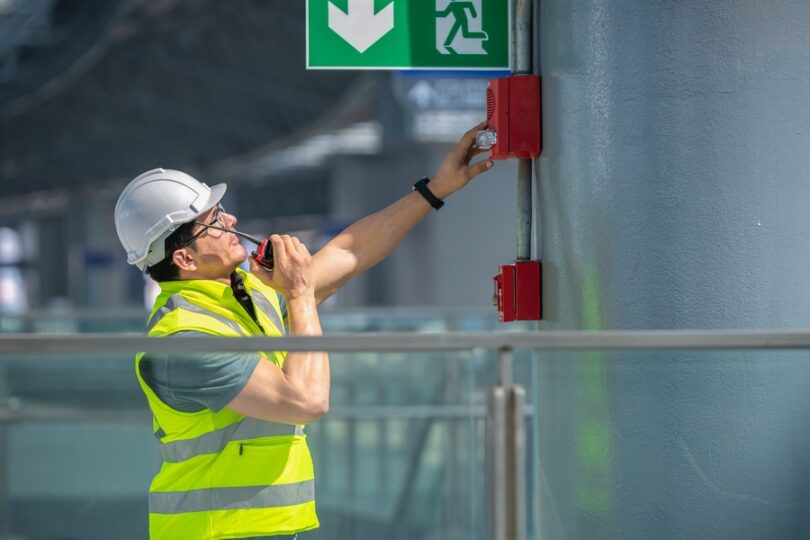

Operating in hot climates or fire-prone areas requires vigilance, especially when it comes to managing materials and equipment. For people working in sectors like construction, manufacturing, or aerospace, mitigating risks tied to extreme temperatures is essential for maintaining safe and efficient operations. Below, we discuss practical fire and heat safety tips for worksite operations that’ll effectively protect your team and workplace.
Prioritize Heat-Resistant Materials
When selecting materials, choose those that can withstand prolonged exposure to high temperatures. Heat-resistant metals like stainless steel or titanium ensure machinery components function reliably, even in demanding environments.
Similarly, non-flammable insulation materials prevent fire from spreading rapidly during incidents. Review the specifications of your tools and equipment regularly and replace any susceptible materials with more durable alternatives. Investing in these upgrades can significantly enhance your site’s resilience under intense heat.
Monitor and Manage Flammable Substances
Flammable liquids like fuels, solvents, or certain lubricants can quickly become fire hazards in industrial settings. Keep these substances stored in designated fire-rated containers and areas to minimize exposure to high temperatures.
Maintain proper ventilation and ensure adequate airflow in storage zones to limit fume buildup. Implement clear labeling systems so that workers can easily identify hazardous substances.
Additionally, consider switching to less flammable alternatives when possible. This might include using water-based coatings or adhesives that meet your requirements without adding unnecessary risk.
Use Fire-Resistant Hydraulic Fluids
Like using water-based coatings, consider using water-based fluids for systems relying on hydraulic machinery. Fluid is a basic hydraulic system component, which facilitates power transfers within the equipment.
Water-based hydraulic fluids possess fire-resistant properties that reduce the likelihood of combustion. Compare this to standard petroleum-based fluids that pose significant hazards, especially in environments where sparks or open flames are present.
By lowering fire risks, water-based fluids protect your equipment and contribute to overall site safety. Regularly check fluid levels, inspect hydraulic lines for leaks, and schedule routine maintenance to keep your systems running reliably.
Train Workers on Heat and Fire Safety
While managing materials is important, one of the most effective fire and heat safety tips for worksite operations is to train your team. Workers should understand how to recognize heat stress symptoms, operate fire extinguishers and alarms, and follow proper protocol during emergencies.
Conduct regular training sessions that focus on site-specific hazards, and ensure all employees know the designated evacuation routes. Incorporating safety drills into your routine creates a culture of awareness and readiness.
Frequent inspections help you identify potential hazards and stay on top of maintenance schedules for all equipment. Designate roles for safety officers who can quickly assess and manage risks. This training, on top of choosing and maintaining materials and systems wisely, will keep workers and equipment protected in challenging conditions.