


When it comes to achieving longer, fuller lashes, two popular options are mascara supporting lash growth and getting lash extensions. Both methods offer noticeable results, but the right choice depends on personal preferences and lifestyle. Most people will find that lash growth mascara is the best starting point if they want a safer, low-maintenance, and more affordable way to enhance their lashes.
Since it works with your natural lashes over time, many find it easier to maintain than other options. Some mascaras, especially those with conditioning ingredients, can support healthier-looking lashes without added effort. Choosing a product like one that, in addition to defining, is a mascara supporting lash growth allows you to stick to your usual routine. It’s a gradual approach that fits well into everyday habits.
Key Takeaways
- Lash growth mascara is lower maintenance than extensions.
- Extensions offer instant, dramatic results but need upkeep.
- Weigh cost, safety, and desired look before deciding.
Comparing Lash Growth Mascara and Lash Extensions
Lash growth mascaras and lash extensions both promise longer, fuller lashes but differ greatly in how they deliver results, the upkeep required, and the impact on natural lashes. Understanding these differences helps individuals choose what aligns with their needs, preferences, and routines.
Key Differences and How Each Works
Lash growth mascara is designed to coat natural lashes with pigment while also containing ingredients that may promote lash growth over time. It is typically applied daily and removed at the end of the day. Most products work by stimulating lash follicles or conditioning lashes for better retention and less breakage. Eyelash extensions, however, involve attaching synthetic, silk, or mink fibers to individual natural lashes using a semi-permanent adhesive. This process creates instant length and volume without the need for daily makeup. Extensions can be tailored for a natural or dramatic look, depending on the style selected with the lash technician.
Extensions last for several weeks but require periodic fills or touch-ups as natural lashes shed. Lash growth mascara’s main benefit is cumulative, gradually encouraging healthier natural lashes with regular use while giving an immediate boost through tint and volume.
Application Process and Maintenance
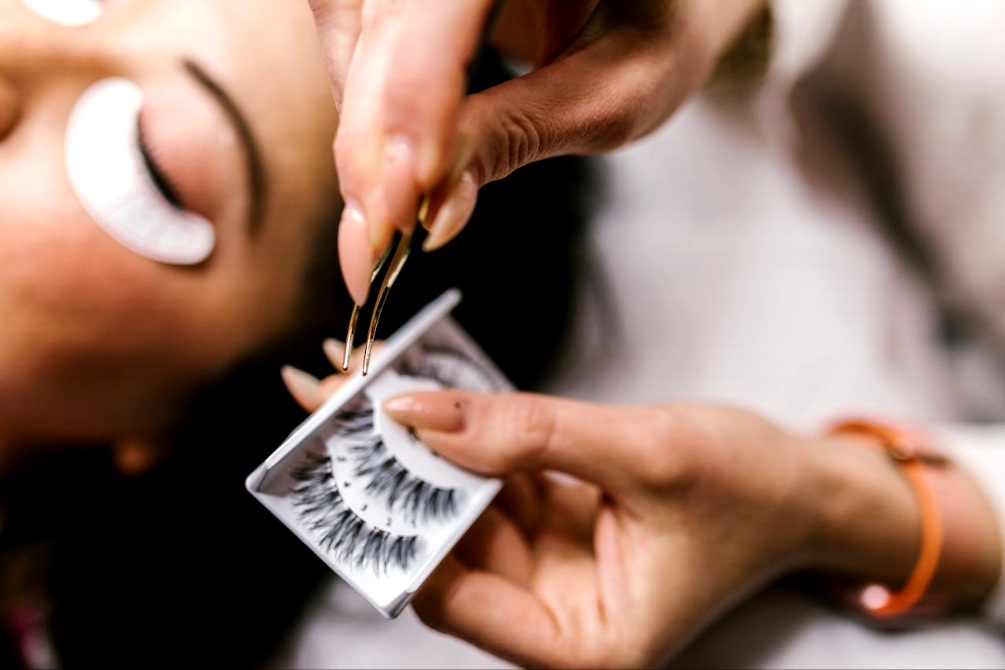
Applying lash growth mascara is straightforward. Users swipe the product onto top and bottom lashes, let it dry, and remove it at night with makeup remover. Most are compatible with waterproof mascara and other makeup, making them convenient for daily routines and travel. Eyelash extensions are applied by a professional lash technician, often taking one to two hours for a full set. The process involves lying still while individual fibers are attached to each lash. Extensions demand care: avoid oil-based products, rubbing eyes, and heavy waterproof mascara, which can break down the adhesive.
Maintenance for extensions includes gentle cleansing, brushing with a spoolie, and visiting a salon every 2-3 weeks for fills. Missed fills can leave lashes looking sparse as extensions shed with natural lashes. Mascara users enjoy flexibility; there’s no need for salon touch-ups, but daily application and removal remain necessary.
Supporting Products, Results, and Potential Risks
Different approaches to longer lashes offer unique benefits and drawbacks, from ingredient safety to maintenance requirements. Choosing between lash growth products and lash extensions requires careful consideration of results, risks, and ongoing care routines.
Safety Considerations and Allergic Reactions
Allergic reactions are a concern with both lash growth serums and lash extensions. Serums such as those containing prostaglandin analogs have been reported to cause dry eyes, irritation, and in some cases, permanent darkening of the iris. There is also the risk of eyelid discoloration and lash line redness.
For lash extensions, glue ingredients can trigger allergies or discomfort. Incorrect application or unclean tools can increase risk of lash pain or infection. DIY lash extension kits raise the likelihood of complications due to improper technique. Proper removal of mascara or lash serum with a gentle makeup remover reduces the chance of eye irritation. Consulting a professional before starting a lash enhancing routine helps minimize safety concerns.
Longevity, Touch-Ups, and Upkeep
Lash growth serums and enhancing mascaras require daily use for sustained results. If stopped, lashes typically return to their natural growth cycle. Touch-ups are not needed, but ongoing use is crucial for visible improvement. Lash extensions give immediate volume but need professional fills every 2–4 weeks. Skipping fills can lead to sparse or uneven lashes. Maintenance includes avoiding oil-based makeup remover and gently cleaning the lashes to reduce shedding.
Tools such as an eyelash curler can be used with both natural lashes and extensions, though extra caution is needed with extensions to avoid breakage. Those who rely on fake lashes or social media trends should be aware of upkeep demands and potential long-term effects on lash health, especially when extensions are worn for extended periods.
Conclusion
Both lash growth mascara and lash extensions have unique benefits and drawbacks. Lash extensions provide instant volume and length, requiring less daily effort, while lash growth mascaras are more budget-friendly and easier to maintain. Those seeking flexibility and a more natural enhancement might prefer a mascara that promotes growth. Personal preferences, time investment, and cost play important roles in making the right decision.
Photo by RDNE Stock project.