


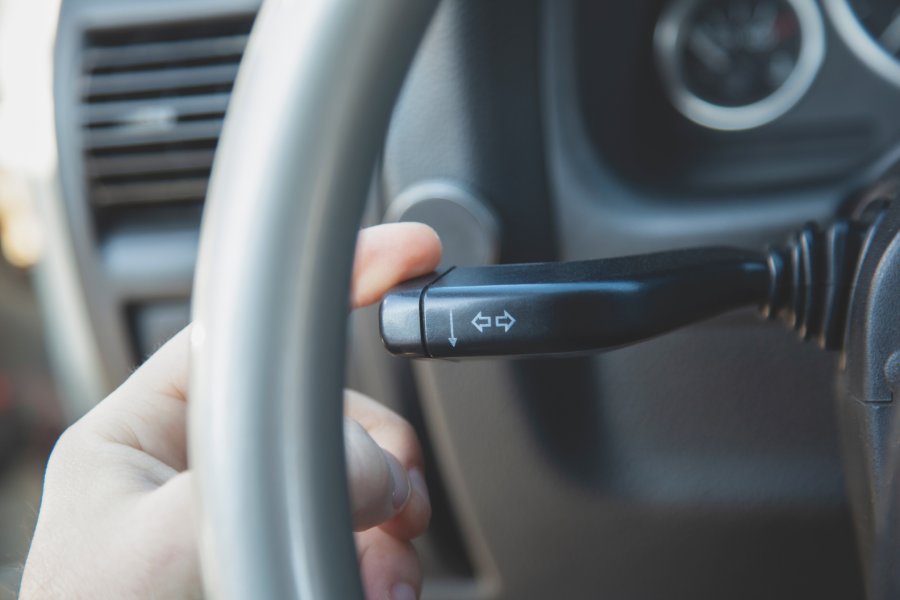
Turn signals are one of the simplest yet most vital tools for road safety. They allow drivers to communicate their intentions clearly and maintain order on busy roads. Yet, many drivers underestimate their importance, often neglecting to use them when changing lanes or making turns—you’ve seen this a time or two.
This seemingly small oversight could lead to significant consequences. Besides yelling out the window or throwing your hands up, here are the actual consequences of not using a turn signal.
A Spike in Accident Risk
Failing to use your turn signal creates confusion for other drivers, bicyclists, and pedestrians sharing the road. This confusion often leads to sudden reactions, increasing the likelihood of collisions. Skipping this quick, routine action turns ordinary driving maneuvers into safety hazards for all road users.
The design and technology behind turn indicator lights make this preventive measure remarkably easy to use. Modern vehicles integrate LEDs in turn signals for maximum visibility to ensure other drivers see your intentions even in poor weather or low-light conditions. Skipping a task made effortless by such innovations only amplifies the unnecessary risks.
Legal Troubles Await
Drivers who fail to signal endanger others and break the law. Traffic regulations across the country require the use of turn signals when changing lanes, merging, or turning, making noncompliance a ticketable offense. Fines for this violation vary by state, often starting at $25 and rising depending on the circumstances or additional violations.
Repeat offenses lead to points on your driver’s record, which may accumulate over time and result in a suspended license. Depending on the jurisdiction, appearing in court or completing traffic school may also be a requirement, adding hassle to financial penalties. Small efforts to signal save drivers from these consequences.
Insurance Premiums on the Rise
Traffic violations like failing to use a turn signal don’t only result in legal penalties; they can also impact your wallet. When a citation is added to your driving record, insurance companies see it as a red flag indicating riskier driving habits. This perception may lead to an increase in your insurance premiums, sometimes for several years following the violation.
For instance, receiving a ticket for neglecting to signal may raise your premium by as much as 10 percent or more, depending on the insurer. Consistently higher rates balloon total vehicle operating costs and erase any perceived time saved by not signaling.
Miscommunication With Fellow Drivers
Turn signals serve as the primary language of the road, a means to communicate intentions instantly. Without them, other road users are left guessing, which often leads to misunderstanding and dangerous decision-making.
Imagine approaching a busy intersection or highway merger and trying to anticipate another driver’s intentions without the clarity of a signal. This breakdown in communication causes hesitation, overcompensation, or abrupt braking, increasing the odds of a crash.
Failing to use a turn signal might seem like a small oversight, but its consequences are wide-ranging. From increasing the likelihood of collisions and facing legal penalties to paying higher insurance premiums and causing traffic chaos, the costs of skipping this basic act are immediate and long-lasting. The technology behind modern turn indicators, such as highly visible LEDs, emphasizes the ease and necessity of using them.