
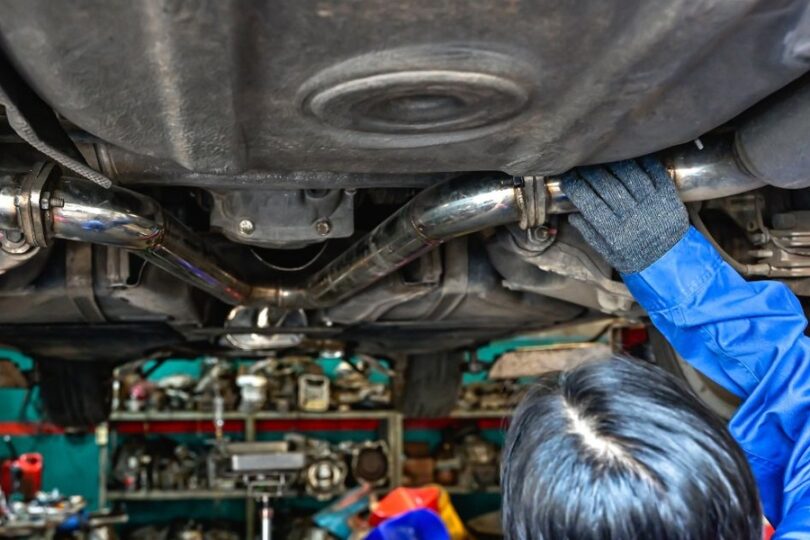

Don’t ignore those unusual sounds coming from your vehicle! If you hear a weird noise coming from the bottom of your car, this may be an indicator that there is a loose or damaged part. Discover six reasons why your undercarriage is rattling and when you should schedule repairs to avoid severe damage.
1. Loose or Broken Exhaust System
The exhaust pipes run along the length of your vehicle’s undercarriage, and constant exposure to the road can cause mounts to loosen or parts to corrode over time. A rattling sound, especially when starting the car or accelerating, may point to a broken exhaust clamp or heat shield. Consult a mechanic to secure or replace affected parts and prevent further issues.
2. Worn Suspension Components
Your car’s suspension system absorbs shocks to provide a smooth ride. However, worn-out parts, such as struts, bushings, or control arms, can make rattling sounds when driving over bumps, ramps, or uneven terrain. Noticing any indicators of poor suspension early will save you from costly repairs down the line.
3. Detached Splash Shield
If you hear a rattling noise under your vehicle, this could be a sign of a damaged splash shield, so check if it’s loose, cracked, or hanging off. Splash shields protect important components under your car from debris and water damage, but it may experience wear and tear over time. Car owners should address these conflicts immediately to avoid exposing the undercarriage to harmful road elements.
4. Debris Trapped Beneath the Vehicle
Small objects, like gravel, sticks, or other debris, can collide with and lodge into your car’s undercarriage. This issue often occurs after driving on rough roads or dirt paths, especially after a rainy or windy day. Luckily, a quick inspection and removal of the debris could resolve this problem in minutes.
5. Damaged or Bent Brake Components
If the rattle occurs when you’re braking, damaged brake calipers, pads, or other components could be the reason why your undercarriage is rattling. Brake issues are safety concerns that could harm the driver and any passengers in the vehicle if the system fails. Avoid driving at high speeds if you suspect brake damage, and schedule repairs immediately.
6. Rust or Corrosion
Long-term exposure to moisture or salt can lead to rust or corrosion on undercarriage parts, such as the frame or bolts. This is especially common if you live in a humid climate or drive down a salted road in the winter.
Corrosion weakens the structural integrity of these components and often results in rattling or clanking. Regular cleaning and inspections can protect your vehicle from rust damage.
Many undercarriage problems arise when an obstacle on the road collides with your vehicle. To prevent further damage, avoid driving over debris such as litter, rocks, and construction debris. Also, watch out for curbs when parking in neighborhoods or public lots.
If you have any concerns with your vehicle, always consult an automotive specialist for support. Keep a vigilant eye on the road to protect you and your vehicle from harm!