


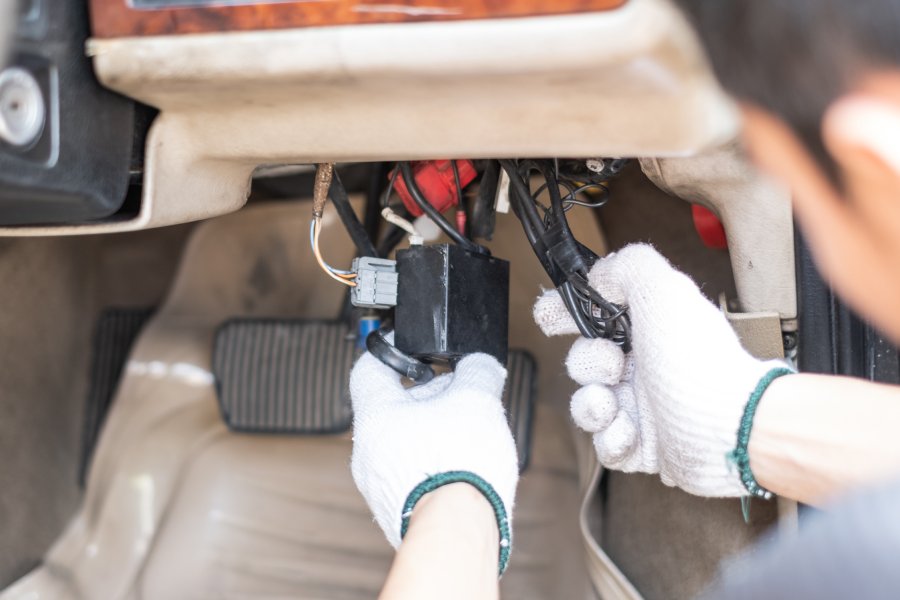
Automotive wiring often feels like a maze of wires, connectors, and components, but understanding these essentials can streamline vehicle maintenance and troubleshooting.
Knowing the basics ensures you can diagnose problems efficiently and make minor repairs or upgrades without being overwhelmed by jargon. Here’s a brief guide to automotive wiring components to get you started.
The Role of Wiring Harnesses
Wiring harnesses are foundational in automotive electrical systems. These bundles organize a car’s electrical wiring and ensure that cables are neatly routed and protected from physical damage due to vibration, heat, or wear.
Without harnesses, wires could become tangled, leading to potential shorts or connectivity issues. By keeping circuits organized, harnesses enhance the reliability and longevity of automotive wiring systems.
Why Fuses and Circuit Breakers Are Crucial
To protect sensitive electronic components, fuses and circuit breakers serve as safety measures against electrical overload. A fuse is designed to break its connection when too much current flows through, effectively preventing damage to the wiring or components.
Circuit breakers work in a similar way but can reset after tripping. These components safeguard critical automotive systems, such as the engine control unit or lighting circuits, from preventable electrical failures.
The Importance of Relays in Automotive Circuits
Relays are integral in controlling high-current circuits with low-current signals. This is especially useful in systems like headlights or cooling fans, where a small switch cannot handle the current flow directly.
When activated, a relay allows greater current to pass through the circuit safely. This protects delicate switches and ensures that systems requiring substantial power run efficiently.
Understanding Connectors
Automotive connectors are the glue that holds wiring systems together. These components join wires to devices or other wires, maintaining a secure and stable connection even under harsh conditions.
From weatherproof connectors that guard against moisture to quick-disconnect plugs for easy maintenance, the variety of connectors available supports a wide range of automotive requirements. Ensuring proper connection minimizes electrical issues and enhances system reliability.
Wires, Cables, and Pigtails for Versatility
Wires and cables serve as the veins of a vehicle’s electrical setup, conducting electricity between components. Their gauge size and material determine the amount of current they can handle safely. For instance, thicker wires are used in high-amperage systems like starters, while thinner gauges support less power-intensive functions, such as dashboard lights.
Pigtails electrify components within a vehicle. These pre-assembled wire ends simplify installation by providing a ready connection that seamlessly integrates with the car’s wiring. This feature is particularly helpful for upgrades or customizations, saving time and ensuring reliability.
Grounding Straps and Electrical Stability
Grounding straps play a critical role in automotive wiring by establishing a return path for electrical current. A poor ground can lead to intermittent failures, dim lights, or problems with critical systems. Proper grounding straps reduce electrical noise, enhance overall circuit performance, and lower the risk of damage caused by stray electrical currents.
Automotive wiring relies on these essential components to work harmoniously and keep vehicles running smoothly. From fuses to grounding straps, each part contributes to the efficiency, safety, and durability of a car’s electrical system. Gaining familiarity with these elements empowers you to maintain and troubleshoot your vehicle more effectively, whether you’re dealing with a minor wiring issue or adding new components.