

Everyone wants their boating trips to be safe and fun. However, emergencies can strike even in the calmest of waters. Knowing how to handle these situations helps safeguard everyone onboard and ensures smooth sailing in the long run. Be prepared with this guide on what to do in common on-water emergency scenarios so you can feel confident when the unexpected happens.
What To Do if You Capsize
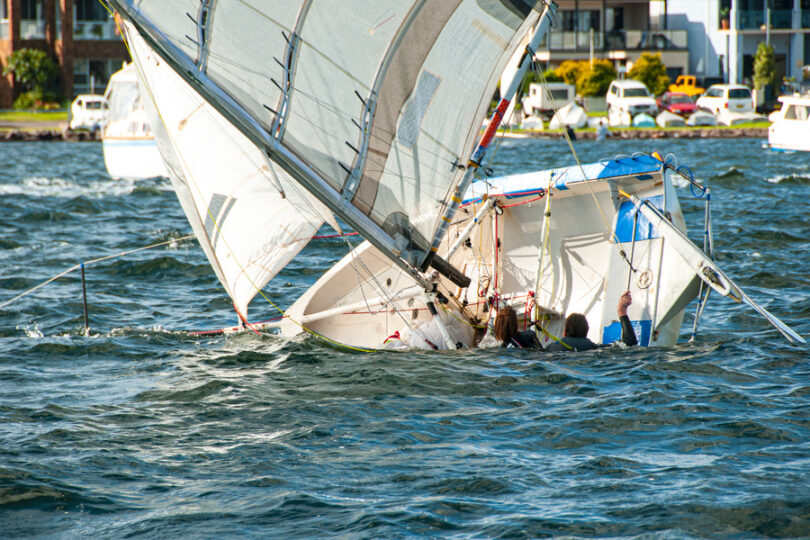
Capsizing happens quicker than most boaters imagine. If this occurs, stay calm and focus on staying afloat. Grab a life jacket if you’re not already wearing one, and avoid swimming away from the boat unless it’s sinking or there’s imminent danger. The boat itself is often the most visible object for rescuers to find.
As a preventative measure, always ensure you maintain your boat’s bilge pump, as this can play a key role in preventing water build-up that may lead to capsizing.
Handling Engine Failure
Few things are more frustrating than an engine that suddenly gives out. First, drop the anchor to keep the boat in place and reduce drifting. Then, use your VHF radio or cell phone to call for assistance.
Keep an onboard tool kit handy for simple solutions such as unclogging a fuel filter or reconnecting electrical wires. Regularly servicing your engine can minimize the likelihood of this scenario.
Man Overboard Protocol
If someone falls overboard, act immediately. Shout, “Man overboard!” to alert anyone on board, throw a flotation device toward the person overboard, and keep your eyes fixed on their location.
Slow the boat and carefully circle back while someone keeps pointing at the person’s position. Once alongside, use a lifeline or ladder to bring them safely back onto the vessel.
Surviving Sudden Storms
Weather can shift in an instant on the water. If you’re caught in a storm, everyone onboard should put on life jackets right away. Reduce your speed, head the boat into the waves at an angle, and avoid making sharp turns.
Keep your navigation lights on for visibility, and tune into weather updates with your radio. Planning your trip with weather forecasts in mind can help prevent this altogether.
First Aid on the Water
Accidents such as cuts, burns, or dehydration are common onboard. A well-stocked first aid kit and basic knowledge of CPR can keep you calm and ready in such situations. For more severe injuries, stabilize the individual while immediately contacting emergency services. Regular first aid courses go a long way in boosting preparedness.
Knowing what to do in common on-water emergency scenarios ensures you’re ready to handle whatever the waves throw at you. Remember to stay calm, be prepared, and keep safety first.