


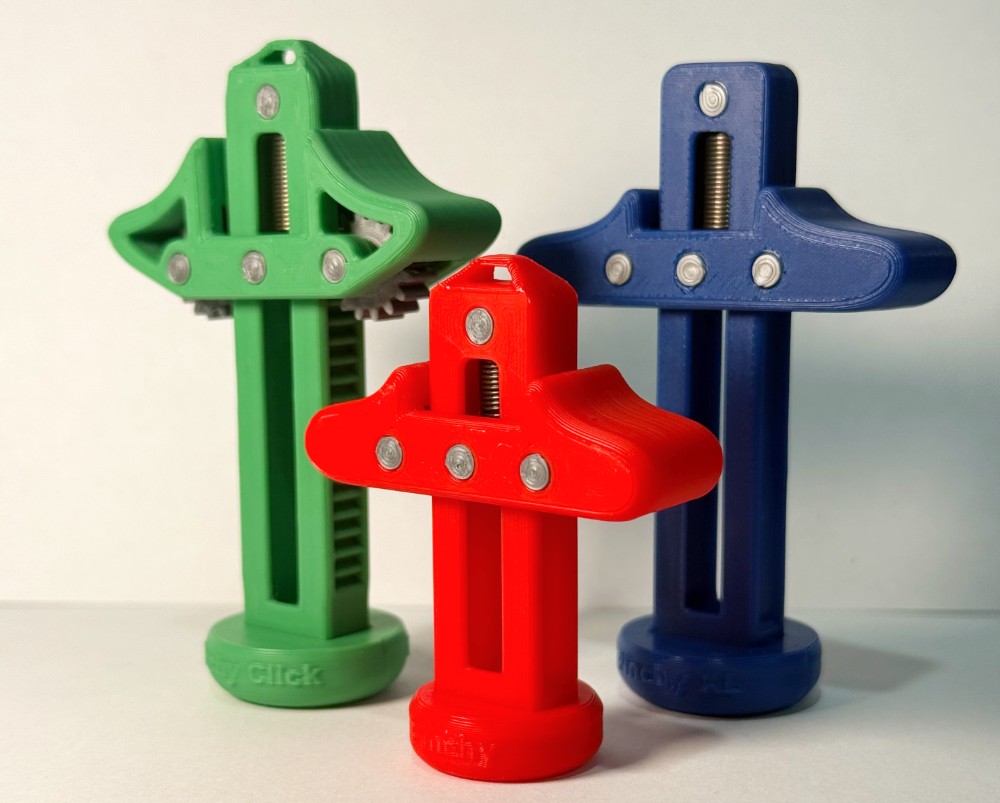
Ever find yourself clicking your pen a hundred times during a Zoom call? Or spinning one of those noisy fidget toys until someone glares at you? Yeah… so did Roy Steinberg. Except instead of just annoying his classmates, he did something about it. He created Pinchy: a silent, smooth, and totally satisfying fidget toy that’s helping people focus and chill out without making a scene.
And the best part? It all started because of Roy’s ADHD.
ADHD Meets Engineering: The Birth of Pinchy


Creator of Pinchy, Roy Steinberg
Roy was a mechanical engineering student at the University of Illinois, your classic hands-on, build-stuff, always-thinking kind of guy. He was active in entrepreneurship clubs, obsessed with 3D modeling, and had already tried to launch a coffee vending machine startup (among other things). But it wasn’t until he needed a better fidgeting solution that the idea for Pinchy took hold.
As someone living with ADHD, Roy found traditional coping tools—like clicking pens or using loud fidget spinners—were either annoying or distracting. So he went full-engineer-mode and designed his own solution. After nine months of prototyping, he 3D printed the first Pinchy. It was sleek. Silent. Portable. And best of all—it worked.
He threw it up on Etsy, where 3D-printed fidget toys were just starting to gain traction. Orders started rolling in. Fast forward to today: Roy is 3D printing and hand-assembling Pinchys out of his Chicago apartment, shipping them to fans around the world.
What’s a Pinchy, Anyway?
Pinchy is not your average fidget spinner knockoff. It’s a pocket-sized, spring-loaded pincher that feels amazing to squeeze. It gives you that satisfying tactile feedback without any of the noise. And yes, there’s a whole family of Pinchys now:
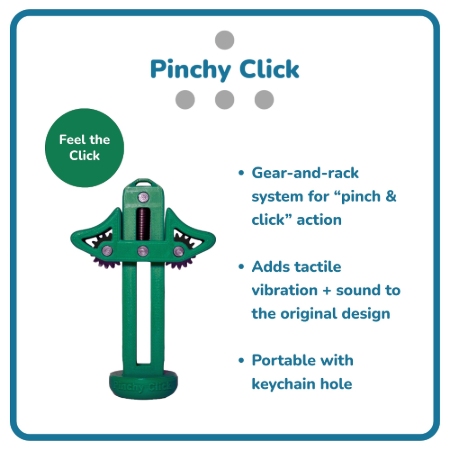
Pinchy – The OG. Compact, clean, with just the right amount of tension. Toss it on your keychain and you’re ready to fidget discreetly anywhere.
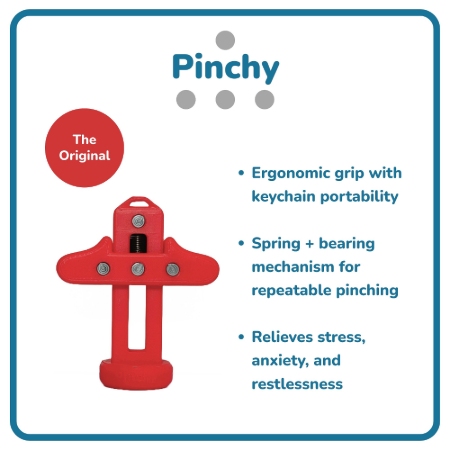

Pinchy XL – Bigger, bolder, and more resistant. For those who want a deeper squeeze and firmer feedback. Think of it as the deadlift version of a stress ball.
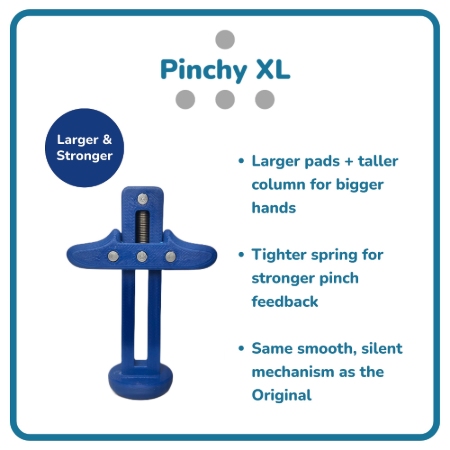
Pinchy Click – Adds a subtle click for those who need that sound in their sensory experience (but still way less obnoxious than your coworker’s pen).
They’re all available on Etsy, the Pinchy website, and even TikTok Shop (@Pinchyfidget), where you can watch Roy give behind-the-scenes looks at how he builds each one.
But Does It Actually Help?
Here’s where it gets cool. Science says fidgeting isn’t just a habit—it’s a form of self-regulation. Especially for people with ADHD, it helps balance brain activity, supports executive functioning, and reduces stress. In other words, it’s not just about keeping your hands busy—it’s about helping your mind stay clear and focused.
Studies have shown that small movements—like squeezing, tapping, or fiddling—can actually enhance concentration and memory retention. The key? Finding a fidget that doesn’t disrupt you or the people around you. That’s exactly where Pinchy comes in: it’s quiet, effective, and feels good to use.
From One Guy’s Brain to the World’s Keychains
Roy could’ve just stopped at making one for himself. But he didn’t. He’s built a brand—right from his apartment—and a tool that’s making a difference in classrooms, boardrooms, therapy offices, and bedrooms (no judgment, fidget wherever you want).
So whether you’re managing ADHD, looking for a way to focus during long meetings, or just love the feeling of something smooth and satisfying in your hand, there’s a Pinchy for you.
Grab one at PinchyFidget.com or RoysToysCo on Etsy. Just don’t be surprised if everyone at work wants to try it.