
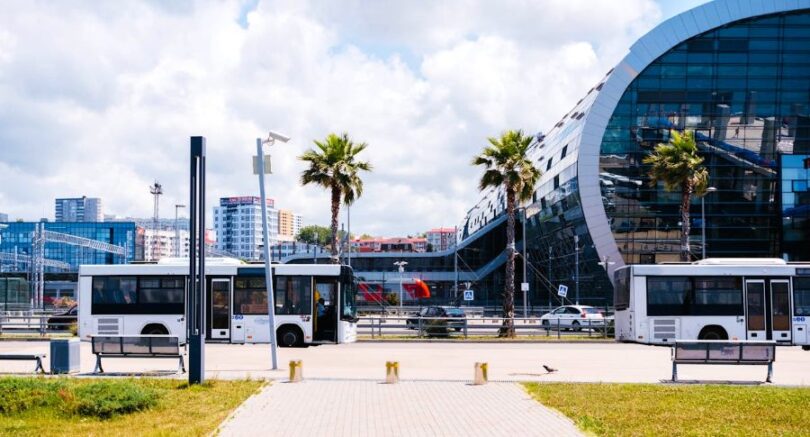

Transportation is evolving at a rate faster than ever before. Emerging technologies are enhancing travel by making it more seamless, secure, and efficient. As you read this article, the transportation industry is undergoing a significant shift from artificial intelligence to electric vehicles. Companies like TATA Motors are at the forefront of this transformation, offering innovative solutions in commercial and passenger vehicles.
The Middle East is a crucial area where contemporary transportation is advancing swiftly. As economies grow and cities expand, there is a significant need for improved transport systems. Advancements in automobiles, mass transit, and supply chain management are defining the future. Here are the leading transportation technologies and trends anticipated to prevail in 2025:
Electric and Hybrid Buses
A significant change in transportation is the transition to electric and hybrid bus. An increasing number of companies are investing in electric technology as fuel costs fluctuate and environmental concerns escalate. These vehicles reduce carbon emissions, lower fuel expenses, and require less maintenance.
In recent years, the charging infrastructure has been significantly enhanced. Fast-charging stations are increasingly prevalent, facilitating the transition to electric transport for both businesses and the public. Battery technology is also progressing, enabling buses to cover greater distances on a single charge. This change is anticipated to persist through 2025 and further.
The Role of AI in Smart Transportation
Artificial intelligence is revolutionising the way people and goods are transported. AI is being used in a range of applications, from route planning to autonomous driving. Smart navigation systems help vehicles avoid traffic and reduce travel time. AI also improves safety by detecting road accidents and assisting drivers in real-time.
The technology for self-driving cars is making significant progress as companies experiment with autonomous vehicles for personal and business purposes. In the logistics industry, AI-driven trucks and delivery methods are enhancing operational efficiency. AI is helping companies monitor shipments and improve fleet management.
Innovations in Public Transportation
Public transportation is becoming more efficient through digital technology. Payment systems that eliminate contact, offer live tracking, and facilitate intelligent scheduling are enhancing the convenience of travel. Numerous cities are enhancing their public transit systems to alleviate congestion and boost efficiency.
Electric and hybrid buses are gaining more popularity as governments prioritise sustainability. These buses help reduce emissions while providing dependable and economical transportation solutions. AI is increasingly being incorporated into public transport systems to oversee routes and passenger movement, facilitating more efficient operations.
The Increasing Need for Pickup Trucks
Pickup are essential for business and logistics. Numerous sectors depend on them for moving goods, equipment, and personnel. In 2025, pickup trucks are expected to become more sophisticated, featuring enhanced fuel efficiency, upgraded safety features, and intelligent connectivity. Companies are opting for modern pickups that offer powerful engines, durable builds, and advanced technology.
Some recent models feature smart tracking systems that enable companies to manage deliveries and optimise vehicle performance. As the demand for effective transportation grows, pickup trucks will remain vital in the business industry.
Hyperloop and High-Speed Rail: The Future
Hyperloop and high-speed rail networks are being created to enhance the speed and efficiency of long-distance travel. These transportation systems employ advanced technology to minimise travel time between urban areas. Rapidly growing high-speed rail systems offer an alternative to road and air transportation. These advancements can transform how individuals travel throughout the Middle East and beyond.
Advanced Bus Transportation
Buses remain a vital mode of transportation for millions of people. New technologies are making them more efficient and comfortable. Modern buses are equipped with advanced sensors, automated fare collection systems, and improved fuel efficiency. The shift toward electric and hybrid buses is gaining momentum, resulting in reduced pollution and operational costs.
AI and IoT are also being integrated into bus systems to improve route planning and enhance passenger safety.
Intelligent Fleet Management for Enterprises
Companies dependent on transportation is adopting intelligent fleet management systems. GPS monitoring, AI analysis, and automated planning enhance operational efficiency. Businesses can track vehicle locations, fuel consumption, and driver efficiency in real-time. Fleet management systems help logistics firms improve efficiency and reduce expenses.
Using AI-powered data, companies can forecast maintenance requirements, optimise routes, and prevent unneeded delays.
Sustainable Practices in Transportation
Sustainability is an important issue in transportation. Numerous businesses are embracing more sustainable options, including electric vehicles, biofuels, and solar energy charging stations. Authorities are encouraging companies to invest in sustainable transportation. The public and private sectors are collaborating to implement policies that promote sustainable transportation.
Conclusion
The transportation industry is evolving rapidly, with innovations that make travel safer, faster, and more sustainable. TATA Motors drives the future of transportation in the Middle East and beyond. In 2025 and beyond, transportation will become more connected, intelligent, and environmentally friendly, shaping a better future for everyone.