
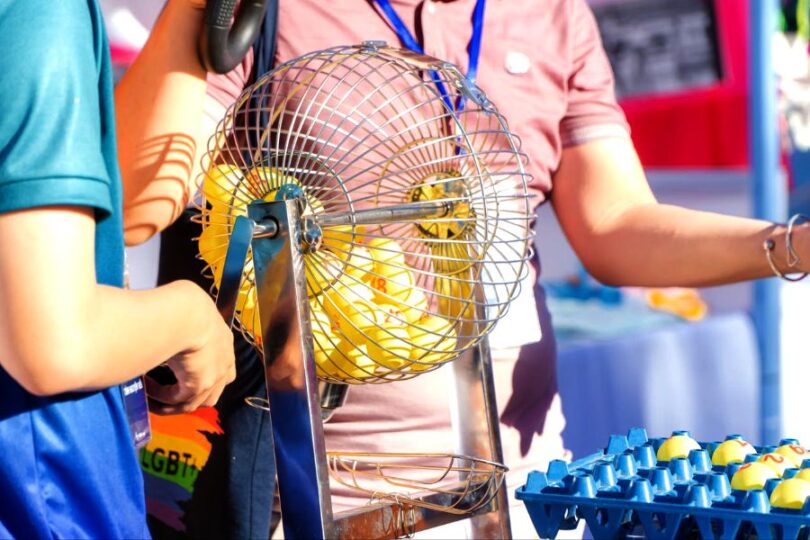

Bingo used to have a reputation – it was the game your grandparents played in church basements and retirement homes. It was slow, predictable, and definitely not something you’d expect to see in a nightclub. But things have changed. Bingo has reinvented itself, trading in quiet halls for loud venues, neon lights, and high-energy crowds. What was once a low-key pastime is now a nightlife trend, drawing younger audiences with theme events, DJs, and big jackpots. Here’s a brief recap of the recent bingo evolution.
Incredibly Popular in Retirement Homes
Bingo isn’t just another game at retirement homes – it’s often one of the biggest selling points. Many seniors look forward to moving into a community where they can play regularly, socialize, and stay engaged. It’s a familiar activity that provides structure and entertainment, making the transition into retirement living much smoother.
There’s a competitive streak to bingo that keeps things interesting. It’s not just about luck – it’s about being the first to call out a win, and that little adrenaline rush makes it exciting. A bit of competition adds spice to the game, but it’s all in good fun. Players cheer each other on, and the thrill of almost winning keeps them coming back.
Bingo is one of the most inclusive games out there. It doesn’t matter if someone has never played before or has limited mobility – everyone has the same chance to win. Bingo levels the playing field, unlike other games requiring skill or physical ability. That’s why it’s so widely loved in retirement communities.
There’s also the mental aspect. Bingo keeps players sharp by requiring them to listen, react quickly, and track numbers. These little cognitive exercises make a difference, helping with memory and focus. For many seniors, it’s a fun way to stay mentally active without feeling like they’re doing “brain training.”
Bingo-Themed Bars and Nightclubs
Bingo isn’t just for quiet halls and retirement homes anymore – you see, bars and nightclubs have figured out that adding bingo to the mix is a guaranteed way to bring in a crowd. These venues aren’t just hosting the same old game with folding tables and paper cards; they’re turning it into a full-blown party. With loud music, flashing lights, and themed nights, bingo has taken on a new identity – one that fits perfectly into the nightlife scene.
These events aren’t just about calling numbers; they’re about entertainment. Many clubs hire DJs to keep the energy high, throwing in dance breaks and interactive games between rounds. Some venues even get creative with formats, swapping numbers for song lyrics in musical bingo or speeding up the game.
Bingo nights at The Rabbit Hole aren’t your typical game of chance – they’re a high-energy mix of strategy, anticipation, and serious jackpots. With the rounds of Progressive Bingo, each game builds on the last, keeping players hooked as they inch closer to bigger payouts. The thrill isn’t just in winning; it’s in knowing that every round can potentially escalate into something huge.
What was once seen as a slow-paced game has now become a social event that blends nostalgia with excitement. People in their 20s and 30s are showing up to play and experience the atmosphere. It’s proof that bingo can be anything but boring when it’s given the right setting, the right vibe, and a little bit of reinvention.
A Staple of Church and Community Fundraisers
Churches and community centers have long relied on bingo as a go-to fundraising activity. It’s simple to organize, appeals to all age groups, and has a built-in audience. Unlike other events that require extensive planning, bingo nights can be put together with minimal effort while still generating excitement and a steady stream of donations.
Also, bingo is more than just a money-raiser – it’s a social gathering that brings people together. Families, neighbors, and church members sit side by side, enjoying lighthearted competition and friendly conversation. It’s one of those rare activities that can bridge generations, making it a staple of community life for decades.
The prizes at these fundraisers aren’t flashy, but they carry meaning. Gift baskets, home-baked goods, or small cash prizes are enough to make the game exciting without making it feel like gambling. People aren’t there to win big; they’re there for the experience and to support a cause. That’s what keeps them coming back.
Bingo at churches and community centers isn’t just about the game itself – it’s about tradition. Families remember attending these events as kids, and as they grow older, they bring their own children along. It’s a cycle that keeps bingo alive as a cultural touchstone in many small towns and tight-knit communities.
The Rise of Televised Bingo in the 1980s
Back in the ‘80s, some networks decided to bring bingo to the masses through television. The idea was simple: players could buy cards in advance, tune in, and play along at home. It was an attempt to merge classic bingo with the growing popularity of game shows, but it never quite took off the way they hoped.
Also, while the concept was innovative, it lacked the key ingredient that makes bingo fun – the social aspect. Playing along in your living room just didn’t have the same energy as a packed bingo hall. The excitement of seeing others win, sharing reactions, and feeling the anticipation together was missing.
TV bingo never reached the cultural status of other game shows because it felt repetitive. While trivia-based shows kept audiences engaged with new questions and challenges, bingo followed the same predictable structure every time. The lack of variety made it hard to hold onto viewers in the long run.
While televised bingo was a unique experiment, it was ultimately a niche product. Some people enjoyed it, but it didn’t have the staying power of in-person games. However, it did lay the groundwork for what would later become a booming online bingo industry, where technology brought fresh ways to keep players engaged.
Wrap Up
Bingo’s transformation isn’t just a fluke – it’s proof that even the most traditional games can evolve. Retirement homes still love it, but now, so do partygoers, performers, and bar-hopping millennials. Also, with progressive jackpots, live DJs, and social media hype, bingo isn’t slowing down anytime soon. The game thrives because it’s easy to play but endlessly adaptable.
Photo by Quyn Phạm.