


Heavy-duty vehicles, such as trucks and buses, play a crucial role in transportation and logistics across various industries. Regular maintenance and attention to key components can ensure that these vehicles operate efficiently and last for years.
Understanding the critical parts of your heavy-duty vehicle is a must, not only for maintaining performance but also for your safety and the longevity of the vehicle itself. Keep reading to delve into the essential components that need to be regularly checked and maintained to keep your heavy-duty vehicle in top form.
Understanding the Engine System
A heavy-duty vehicle starts with its engine, serving as the heart of the machine. The engine’s health directly impacts fuel efficiency, power output, and overall performance. Regular oil changes, coolant checks, and the replacement of filters can prevent common issues that arise from engine neglect. Even necessary diesel truck parts like fuel injectors and glow plugs should be inspected regularly to ensure optimal functionality. If necessary, consider replacing these parts.
High-quality fuel will maintain engine health, so drivers should prioritize using diesel that meets specified standards. Over time, wear and tear can lead to decreased engine performance; therefore, maintaining the engine is not just about repairs but also preventative care.
Engine Maintenance
The engine is the heart of any heavy-duty vehicle, and its proper maintenance is a must. Regular oil changes can better secure engine components and prevent wear. Over time, oil can become contaminated with dirt and debris, leading to engine damage.
It’s advisable to consult the manufacturer’s recommendations regarding oil change intervals. In general, heavy-duty applications may require more frequent changes compared to light-duty vehicles. Along with oil changes, inspecting filters (air and fuel filters included) should be part of your maintenance schedule. Clean filters promote optimal performance and fuel efficiency.
The Role of the Transmission
The transmission system of a heavy-duty vehicle is tasked with transferring power from the engine to the wheels effectively. A properly functioning transmission ensures that the vehicle operates smoothly, especially when carrying heavy loads. Regular inspections, fluid changes, and the replacement of worn-out components will be sure to prevent transmission failure.
Knowing the symptoms of transmission problems, such as strange noises or slipping gears, can prove invaluable for early detection. Heavy-duty vehicles often utilize manual transmission systems, which require skilled operation and maintenance. Make sure that the drivetrain is aligned correctly to maximize the life of both the transmission and the vehicle as a whole.
Braking System Essentials
The braking system is undeniably vital for the safety of any heavy-duty vehicle. Regular checks of brake pads, rotors, and fluid levels can all ensure efficient stopping power. Worn or damaged brakes may cause catastrophic failures.
Heavy-duty vehicles often come equipped with air brake systems that require specific maintenance protocols, including regular air leak tests. Maintain paralleled braking lines and adjust brake settings as necessary. Drivers should familiarize themselves with the signs of potential brake issues, such as decreased braking response or unusual sounds, to address problems before they escalate.
Many of these brake components are difficult to see from the side of the vehicle. Mechanics often need to get directly underneath the chassis to check for wear or damage. Working in a dedicated Inspection Pit makes this process much safer and more comfortable. It gives technicians a clear view of the brake lines and drums. This clear view helps them find small problems before they cause a breakdown on the road.
Suspension and Steering Systems
The suspension system operates to maintain vehicle stability and offer comfort while driving. It absorbs shocks and impacts and prevents the vehicle from bottoming out on rough roads. Components like shocks, struts, and leaf springs need periodic checks to ensure they’re functioning correctly.
Worn suspension parts can result in handling issues or uneven tire wear, impacting overall vehicle safety. The steering system plays a complementary role by ensuring precise vehicle control. Vehicles equipped with hydraulic or electric steering require special attention to fluid levels and component integrity. Checking for any play in the steering wheel or noises during turns can alert drivers to potential issues.
Electrical System Maintenance
The electrical system in a heavy-duty vehicle ensures all electronic components function correctly, from lights to engine sensors. Regular checks of the battery, alternator, and wiring harnesses can help prevent electrical failures that could leave a driver stranded. Faulty electrical systems can fail critical components, such as brake lights and power steering, which could be dangerous. Maintaining battery health involves ensuring proper connections and checking fluid levels.
Modern heavy-duty vehicles rely on various electronic systems for diagnostics to keep the software updated. Regular maintenance of the electrical system can guarantee performance consistency and avoid unexpected breakdowns.
Tires and Wheels: More than Just Rubber
Tires are among the most critical components affecting vehicle performance and safety. Adequate tread depth can ensure traction, particularly in adverse weather conditions. Regular tire rotations and alignments not only extend tire life but also contribute to improved fuel efficiency.
Inspect tire pressure consistently — both over-inflation and under-inflation can affect handling and increase the risk of blowouts. Wheels must be checked for damage and rust in environments where corroding elements like salt may be present. Given the heavy loads that these vehicles carry, maintaining tires and wheels can impact operational costs and vehicle longevity.
Fuel System Integrity
The fuel system’s primary function is to deliver fuel from the tank to the engine and maintain clean lines at the same time. Common issues include blockages, leaks, and filter clogging, all of which can severely cripple vehicle performance. Regular inspection of fuel tanks, lines, and filters is a necessity for consistent performance.
Diesel fuel can accumulate contaminants over time, creating additional strain on the fuel system. It’s advisable to replace filters according to the manufacturer’s recommended intervals to prevent significant repairs. Using high-quality diesel fuel can also enhance performance and protect the fuel system from premature wear. Keep the fuel system well-maintained for durability and operational efficiency.
Regular Servicing and Inspections
Comprehensive servicing encompasses all of the above elements and more. Establish a regular service schedule according to the manufacturer’s guidelines to keep a heavy-duty vehicle in optimal shape. Each component, from the engine to the tires, requires periodic inspections to identify potential issues early.
Some service centers provide a detailed checklist to ensure all aspects of the vehicle are covered. Engaging a trusted mechanic who understands heavy-duty or cargo vehicles can impact performance and longevity. Regular servicing helps prevent unexpected breakdowns and ensures you remain compliant with safety regulations.
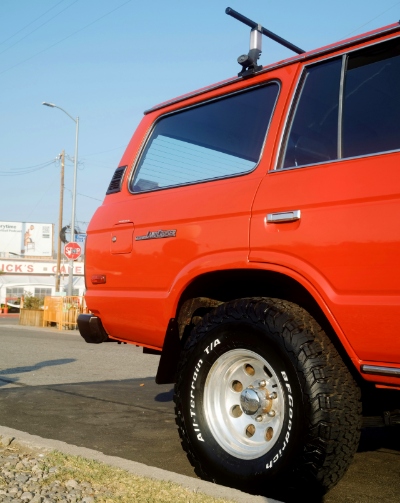
Photo by Mike Von
By understanding and maintaining these essential components, owners of heavy-duty vehicles can enjoy increased performance, safety, and longevity. Regular inspections and proactive care are keys to avoiding costly repairs and ensuring that every journey is smooth and efficient.
Feature photo by Jacob Moore