


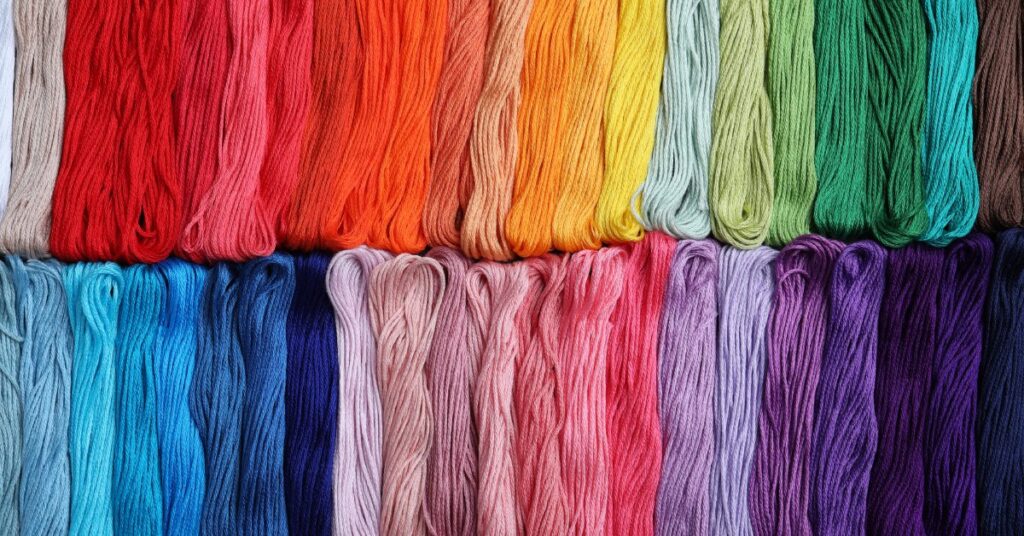
Embroidery is a delightful journey of creativity and craftsmanship, where every choice you make shapes the final masterpiece. One of the most crucial decisions is choosing the right embroidery thread for your project. Whether you’re aiming for a classic look with cotton thread or experimenting with the sheen of rayon, understanding each thread’s unique characteristics will help your designs stand out with vibrancy and precision.
Consider the Fabric Type
Light and breezy fabrics like linen or cotton harmonize well with soft cotton threads. On the other hand, if you’re working with heavier fabrics such as denim or canvas, you might want to opt for stronger, more resilient threads like polyester or silk.
These threads offer durability and a bit of sparkle to withstand the thick and dense nature of these textiles. Always consider the fabric’s weight, texture, and intended use when selecting your threads to ensure the final creation is both beautiful and durable.
Select the Appropriate Thread Weight
Thread weight is the thickness of the thread, with lower numbers indicating thicker threads and higher numbers representing finer ones. For bold and chunky designs, a lower thread weight can create eye-catching depth that makes your patterns pop.
Alternatively, finer threads allow for delicate, intricate detailing, which is ideal for designs that demand precision and subtlety. Will the thread need to stand out with bold lines, or should it blend effortlessly into the fabric for gentle detailing? When choosing thread weight, consider the intricacies of your design and the fabric you’re using.
Assess Thread Texture and Finish
When choosing an embroidery thread for your project, one of the most important things to consider is the overall finish you’re looking to achieve. A thread with a glossy finish, such as rayon, brings a shiny elegance that catches the light, adding flair to your work. In contrast, cotton threads have a more matte finish that’s perfect for achieving a classic and subdued look.
Exploring texture further, metallic threads can add a touch of glitz and glamour, creating eye-catching features in your designs. However, be aware that their unique structure might require extra care when stitching.
Test Thread Colorfastness
Before you commit to a specific thread, conduct a simple colorfastness test. Wet a small piece of the thread and gently press it against a white cloth with a hot iron.
If the color bleeds onto the fabric, you might want to reconsider using it for projects that will undergo regular washing or that might be exposed to light and moisture. This step ensures that your carefully chosen colors remain bright and true, protecting your work from unexpected color changes.
Factor in Project Purpose
When planning your embroidery masterpiece and choosing a pattern, it’s essential to think about your project’s ultimate purpose. For wearable projects, prioritize threads that offer softness and withstand regular washing, like cotton or polyester.
Decor items might benefit from decorative threads with unique textures or shine to catch the eye and make a statement. Additionally, consider any potential exposure to sunlight and moisture; ensuring you select threads that stand up to these conditions will maintain the beauty of your work over time.
When you’re armed with the right thread that you’ve chosen with care and consideration for your fabric, design, and project purpose, you’re ready to weave your artistic visions into reality.