


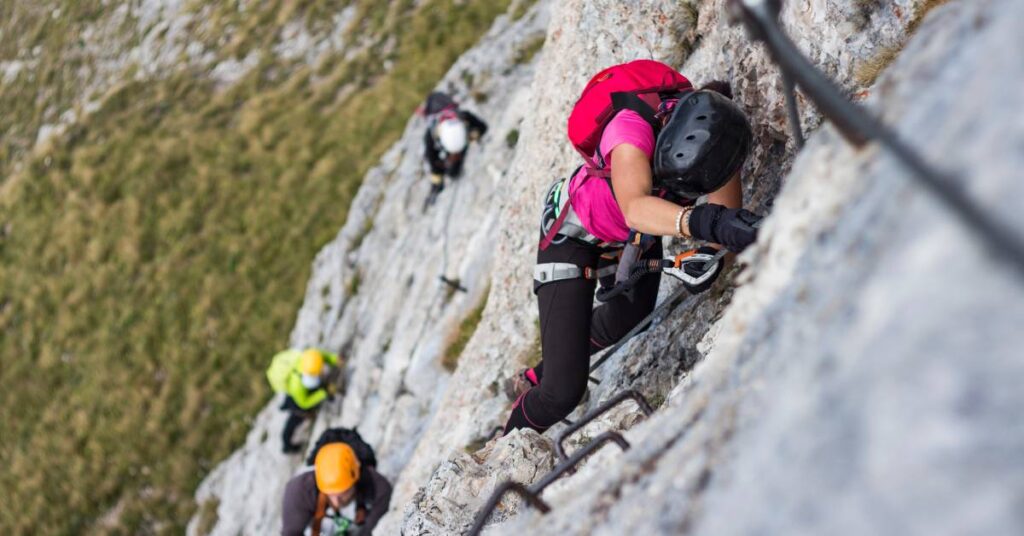
Rock climbing is on the rise, captivating thrill-seekers and fitness enthusiasts alike. Whether you’re drawn by the adrenaline or the allure of scaling heights, joining a climbing group is your ticket to mastering the ropes. But before you ascend the wall, some important factors must be considered. Use this guide to learn the essentials before you join your first climbing group.
Understanding the Basics of Rock Climbing Groups
When stepping into rock climbing groups, expect a structured environment where learning and safety are prioritized. Sessions often begin with warm-ups, followed by focused climbing exercises and techniques.
Groups vary widely, from casual meetups at climbing gyms to organized clubs with outdoor excursions. Choosing one that matches your comfort and commitment levels is crucial, ensuring you feel at ease and motivated to learn.
Important Considerations Before Joining
Before you tie in and chalk up, consider your fitness level. While rock climbing demands strength and flexibility, you don’t need to be a bodybuilder. Regular exercise sufficiently prepares you for the physical challenges. E
quip yourself with the basics like harnesses and climbing shoes but always check with your group for specific gear requirements. There are some rock-climbing grips you need to know, such as a full crimp or open-hand grip, that will help you fit right in. Mentally, gear up for a new adventure; climbing is more about focus and problem-solving than physical prowess.
The Social and Community Aspects
Climbing groups offer more than technical skills—they’re about creating bonds and building friendships. The group dynamic is supportive, with members cheering each other on through challenges.
This sense of community is invaluable for beginners, providing motivation and encouragement when faced with daunting climbs. The shared experiences and stories also create lasting friendships that extend beyond the climbing wall.
Safety First in Climbing Groups
Safety is the foundation of any climbing endeavor, and group settings are perfect for learning the ropes. Experienced members or instructors often lead sessions, teaching novices vital safety techniques, from harnessing properly to belaying.
Trust is key in climbing. You’ll learn to rely on your partners as they rely on you, fostering a team atmosphere where everyone looks out for each other.
Common Mistakes to Avoid for New Climbers
It’s easy to make mistakes when starting, but learning from those who’ve been there fast-tracks your progress. One common error is rushing into advanced climbs without mastering the basics.
Focus on technique and balance rather than just reaching the top. Also, avoid over-gripping, which can tire your arms quickly. Listen to feedback and don’t shy away from asking questions; experienced climbers are usually eager to share their knowledge.
Knowing what to expect from joining a rock climbing group could be your gateway to an exciting new hobby filled with adventure and friendship. This thrilling activity does require some preparation, however. Use this guide to know what to expect, consider, and prepare before taking your first steps up the wall.