


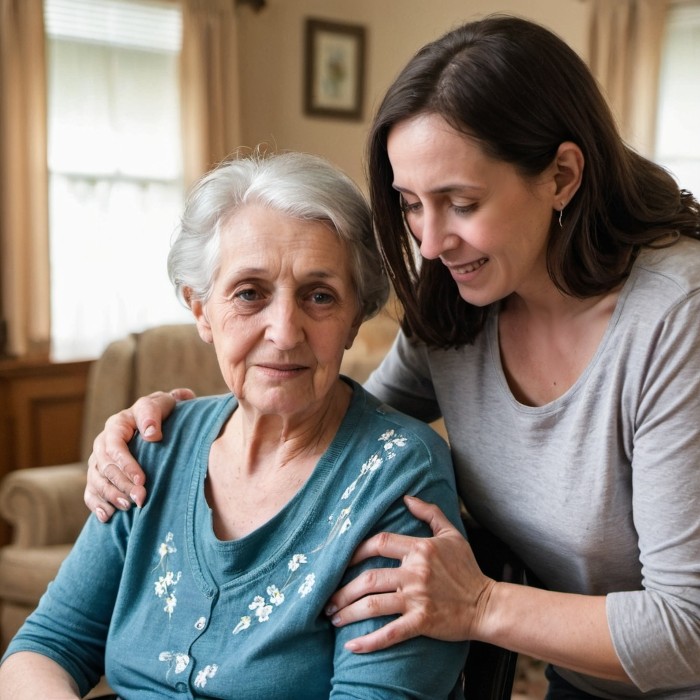
This guide is designed to help you transform your home into a sanctuary that accommodates the unique needs of a loved one diagnosed with Alzheimer’s disease. Creating a safe and nurturing environment can dramatically improve the quality of life for individuals with this condition. Ensuring their safety while preserving a sense of independence is delicate but vital. Keep reading to discover practical tips and compassionate strategies for adapting your living space to this new phase of life.
Incorporating Memory Aids and Simple Navigation in Home Layout
Memory impairment is a significant challenge for individuals with Alzheimer’s. Simplifying the home environment to aid in navigation is a powerful way to address this difficulty. Clear and easy-to-read signs on doors can help distinguish between different rooms, such as the bathroom, bedroom, and kitchen.
Consistent placement of everyday items plays an invaluable role in maintaining orientation. Tools like pill organizers or calendars with large numbers and letters can also assist in managing daily tasks. Moreover, having a designated area for key items like glasses and keys can prevent frustration and enhance autonomy.
Additionally, integrating therapeutic activities into the home environment can serve as a memory aid. Such activities could include simple puzzles, memory boxes with personal items, and photo albums. These not only stimulate cognitive functions but also provide a sense of accomplishment.
Selecting Alzheimer’s-Friendly Home Furnishings and Equipment
Selecting appropriate home furnishings and equipment specific to Alzheimer’s care can make daily activities much more manageable. Ergonomic furniture with supportive seating can offer comfort and prevent strain, while adjustable beds can help in mobility. When choosing furniture, prioritize pieces without locks or complicated mechanisms to prevent unintentional entrapment.
In the kitchen, opting for appliances with automatic shut-off features can prevent accidents. Simple-to-use items limit confusion and promote independence. For example, a kettle that switches off by itself after boiling or a stove with an auto shut-off timer can be invaluable safety additions.
For those with advanced stages of Alzheimer’s, specialized equipment might become necessary. Products such as bed rails, sensor mats, and communication aids can serve crucial roles. Engage with professionals and visit resources such as https://www.tcspalmbeach.com/ for the best options to maintain a comfortable temperature in your home.
Creating a Safe and Comfortable Living Space for Alzheimer’s Patients
Addressing physical safety is paramount, but so is creating a space that fosters comfort and ease for Alzheimer’s patients. Begin by simplifying the environment. Clutter can be overwhelming, so having a defined place for essential items will aid in reducing confusion and stress. This also makes it easier for individuals to find what they need without help.
The layout of rooms should be intuitive, with plenty of open space to move freely without obstructions. Furnishings should be stable and without sharp edges, to minimize the risk of injury from falls. Rugs and mats can be tripping hazards, so consider removing them or securing them firmly to the floor.
Adapting a home may also mean adjusting the height of beds and chairs to accommodate mobility issues common in Alzheimer’s patients. The bathroom, in particular, deserves attention, as it can be a site of many accidents. Install grab bars and a seat for the shower or tub to enhance safety during personal care routines.
Establishing a Routine and a Supportive Environment for Alzheimer’s Care
Establishing a predictable routine is beneficial for individuals with Alzheimer’s, as unpredictability can lead to stress and confusion. Daily schedules that include regular meal times, rest periods, and activities can provide structure and a sense of control. Ensure the routine is flexible, though; rigidity can cause undue pressure.
A supportive environment reaches beyond physical changes to the home—it’s about cultivating patience and understanding daily. Endeavor to communicate, using simple sentences and maintaining eye contact, to reduce misunderstandings. Recognize the importance of social interaction and maintain opportunities for your loved one to engage with others whenever possible.
Remember that the caregiver’s well-being is also paramount. Caring for someone with Alzheimer’s can be challenging and draining, so seek support when needed. Support groups, respite care, and counseling can provide relief and valuable advice for caregivers. It’s essential to take breaks, manage stress, and prioritize your own health.
Altogether, adapting your home for a loved one with Alzheimer’s can profoundly impact their well-being and independence. By understanding the challenges presented by the disease and implementing strategic changes to the living space, you can create a safer, more comfortable environment. Overall, it’s through patience, love, and attention to detail that a home can truly cater to the unique needs of an individual with Alzheimer’s.