
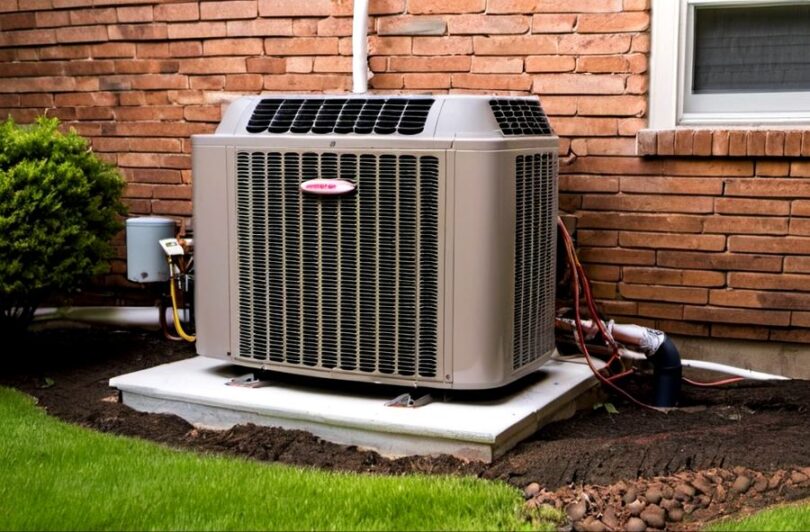

Heat pumps are essential for maintaining comfort in homes throughout the year, serving both heating and cooling functions. However, like any mechanical system, they can develop issues over time. Knowing when your heat pump isn’t working properly is crucial for timely maintenance and repairs, ensuring energy efficiency and prolonging the life of the unit.
Here are some key signs and symptoms to watch out for.
- Inadequate Heating or Cooling
One of the most obvious signs that a heat pump is not functioning correctly is if it fails to maintain the desired temperature. If your heat pump is struggling to heat or cool your home effectively, it could be due to low refrigerant levels, compressor problems, or issues with the thermostat. It’s also possible that the heat pump is not appropriately sized for the space it’s intended to serve and you need to look into a heat pump replacement.
- Unusual Noises
While it’s normal for a heat pump to make some noise during operation, sudden strange noises like grinding, squealing, or rattling can indicate a problem. These sounds may suggest mechanical issues such as loose parts, bearing problems in the fan motor, or a malfunctioning compressor. Addressing these noises quickly can prevent more significant, costlier problems down the line.
- High Energy Bills
A sudden rise in energy costs may indicate that your heat pump is functioning inefficiently. As heat pumps age or require repairs, they typically consume more energy to achieve the same performance levels. This lack of efficiency can stem from various issues such as leaks in ductwork, escaping refrigerant, clogged filters, or faulty parts that overburden the system.
- Short Cycling
Short cycling, when the heat pump turns on and off more frequently than usual, is a common issue that indicates a problem. This can be caused by overheating components, incorrect sizing, or a malfunctioning thermostat. Not only does short cycling put extra wear on your heat pump, but it also reduces its efficiency and effectiveness in temperature control.
- Ice Build-Up
During the winter months, it’s normal for the outdoor unit of a heat pump to have some frost, but excessive ice build-up is a concern. This issue may occur if the defrost cycle is not functioning properly. Possible causes include problems with the defrost control, sensors, or relays. Ice build-up can impede the heat transfer process, forcing the unit to work harder and possibly leading to larger problems.
- Frequent Repairs
If you find yourself frequently calling a technician to repair your heat pump, it might be an indication that your unit is nearing the end of its useful life or that it has some inherent issues that need addressing. Frequent repairs can be costly and inconvenient, and they might signal that it’s time to consider replacing the unit.
- Poor Air Flow
Weak or inconsistent airflow through your vents can indicate problems with the heat pump’s blower. A drop in airflow could be due to a clogged filter, a malfunctioning blower motor, or issues in the ductwork. Regular maintenance can often prevent or resolve airflow problems.
Conclusion
Identifying these indicators can assist you in assessing whether your heat pump is operating at less than optimal efficiency or effectiveness. Routine upkeep (including cleaning or changing filters, inspecting ducts for leaks, and making sure the system has the proper refrigerant levels) is essential for peak performance. Should you observe any of these problems, it’s recommended to seek the expertise of a professional HVAC technician who can evaluate and mend your heat pump, therefore preventing further issues and reinstating its function.