
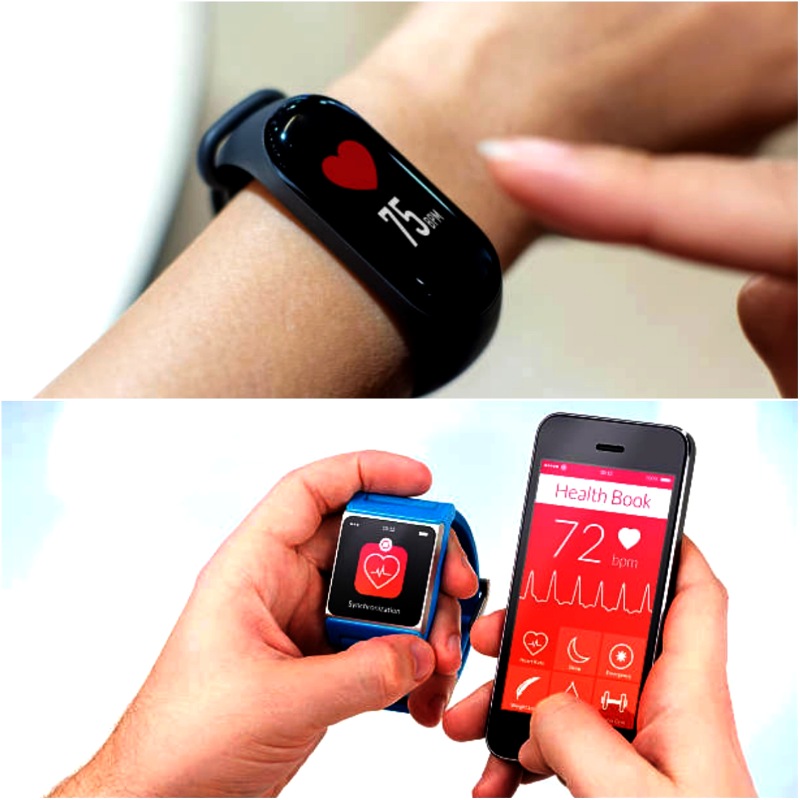

Health monitoring systems are transforming how healthcare providers deliver their services. These systems come in various shapes powered by artificial intelligence, the internet of things (IoT), and robotics. You will come across wearable glucose monitors and fitness watches built to collect, process, and analyze your vitals.
This field is still new but growing at a fast pace. Sometimes, it is easy to get caught up on what’s new on the market. This article delves into the intricacies of health monitoring systems, exploring their types, functionalities, benefits, and challenges.
Understanding Health Monitoring Systems
The latest healthcare monitoring systems on the market feature both hardware and software. The hardware consists of sensors that capture real-time data and transmit it to cloud storage using IoT technology. The software has analytics and visualization tools that clean the data and make it easy to understand.
The devices also send notifications and alarms should anything go wrong. For example, if you try these out, you will get a user-friendly mobile app that enables early detection of vital signs changes and potential health issues. You can also get a notification once you complete your daily 5K steps per day target.
Available Options on the Market
Wearable fitness watches are the most common remote health monitoring device in the market. Advanced smart watches and fitness trackers can monitor your sleep patterns, heart rate, and daily physical activities. The data collected by wearable fitness can help you keep track of your fitness regimen and work toward a healthier lifestyle.
Remote patient monitoring systems offer more than fitness trackers and watches. These devices are designed for patients suffering from chronic diseases. The monitoring devices monitor the patient’s vitals and blood glucose levels, among other vitals. The data is relayed to healthcare providers, allowing for early intervention.
Advantages of Health Monitoring Solutions
Recent studies show that more people are interested in playing a role in their health and overall wellbeing. Investing in a fitness tracker can be a step toward achieving a more active lifestyle. The devices can help you count calories, set fitness goals, and track your progress weekly or monthly.
Health monitoring systems have made it easier for doctors to catch diseases or health complications early. Early detection and diagnosis can lead to better patient outcomes and reduced hospitalization rates.
Another benefit worth noting is improved patient engagement. Patients have a more in-depth look into their health and what to do to extend their lifespan. Modern wellness monitoring systems visualize data, making it easier for people to interpret the information and take an active role in managing their health.
Challenges Related to Healthcare Monitoring Apps
The health monitoring systems field is promising but has its fair share of challenges. Developers and engineers working on these devices have yet to build one that is 100% foolproof. The first and biggest challenge lies in data privacy and security. Healthcare data is sensitive, and robust security features are needed to keep it safe and private.
Affordability is also an issue. The best fitness trackers and glucometers are expensive, making them unaffordable for most people. Making these systems accessible and affordable to a wide population is essential for maximizing their impact.
Photo by Anna Shvets.