
Preparing for Your Camping Adventure
Getting ready for your camping trip is exciting. With the right gear and supplies, you’ll be all set for a fun outdoor experience. Let’s look at what you need to pack and how to choose the best equipment.
Camping Checklist Essentials
Start by making a list of must-have items. This will help you stay organized and not forget anything important.
Here’s a basic checklist to get you started:
- Tent
- Sleeping bag and pad
- Camping pillow
- Flashlight or headlamp
- First aid kit
- Map and compass
- Clothing (layers for changing weather)
- Hiking boots
- Backpack
- Food and snacks
- Water bottles
- Matches or lighter
- Toiletries (toothbrush, toothpaste, biodegradable soap)
- Sunscreen and insect repellent
- Hand sanitizer
Check off each item as you pack it. This way, you won’t leave anything behind.
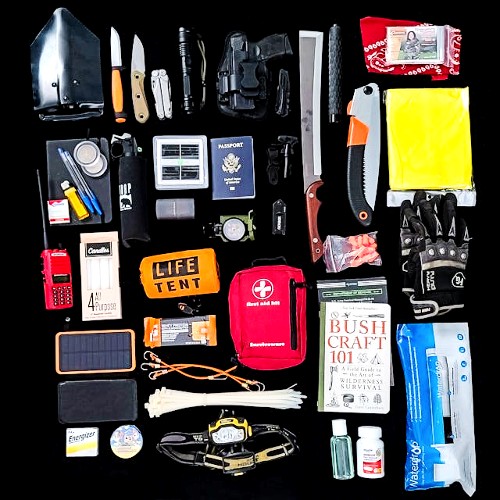
Photo by Elitist Czar
Selecting the Right Camping Gear
Choosing the right gear can make or break your camping trip. Focus on quality items that fit your needs and the type of camping you’ll be doing.
For your tent, pick one that’s the right size for your group. Make sure it’s easy to set up and waterproof. A good sleeping bag is key for a comfy night’s sleep. Look for one rated for the temperatures you’ll face.
Don’t forget a sleeping pad. It adds comfort and insulation from the cold ground. For cooking, pack a portable stove and some basic cookware. Bring along plates, cups, and utensils too.
A reliable backpack is a must for carrying your gear. Choose one that fits well and has enough space for all your stuff.
Packing Food and Water Supplies
Food and water are super important when camping. Plan your meals ahead of time to make sure you bring enough.
Pack foods that are easy to prepare and won’t spoil quickly. Some good options are:
- Trail mix and energy bars
- Canned goods (beans, soup, tuna)
- Dried fruits and nuts
- Instant oatmeal or noodles
- Peanut butter and crackers
Bring a cooler for any perishable items. Don’t forget to pack some treats too!
For water, bring more than you think you’ll need. Pack a few large water jugs and personal water bottles. If you’re camping in a remote area, bring a water filter or purification tablets.
Pack any cooking tools you’ll need, like a can opener, spatula, and pot. With these supplies, you’ll be ready for tasty meals in the great outdoors.
Setting Up the Campsite
Organizing your campsite well makes camping more fun and easy. A good setup helps you relax and enjoy nature.
Pitching Your Tent
Pick a flat spot for your tent. Clear away rocks and sticks. Lay out a tarp first to keep your tent dry. Set up the tent poles and attach the tent body. Make sure it’s tight and secure. Put on the rain fly if needed.
Put your sleeping bags and pads inside. Fluff up the bags so they’re comfy. Keep a flashlight or headlamp handy for nighttime.
Organizing Your Space
Make zones for different activities. Put your tent in a quiet area. Set up your camping chairs and table in a central spot. Keep food and cooking gear together.
Use bins or bags to store your stuff. Label them so you can find things easily. Hang a clothesline for wet clothes or towels.
Keep trash bags handy. Use them to collect garbage and keep your site clean.
Camping Utilities
Set up your camp stove on a flat surface away from your tent. Test it before you start cooking. Bring extra fuel.
Place lanterns around your site for light at night. Put one near the cooking area and another by your tent.
Set up a hand-washing station with soap and water. This helps keep germs away.
Bring a portable power bank to charge your devices. Solar chargers work well for longer trips.
Safety and Comfort in the Wilderness
Staying safe and comfy in the wild takes some know-how and the right gear. With a few key items and smart choices, you can enjoy nature while avoiding common pitfalls.
Sleeping Comfortably
A good night’s sleep is key to a fun camping trip. Bring a quality sleeping bag rated for the temps you’ll face. Add a camping blanket for extra warmth and coziness.
A sleeping pad insulates you from the cold ground. Choose between foam or inflatable options. Don’t forget a pillow – inflatable ones pack small.
Set up your tent on flat, dry ground. Clear away rocks and sticks first. Face your tent away from the wind if possible.
Bring earplugs if nature sounds might keep you up. An eye mask can block early morning light.
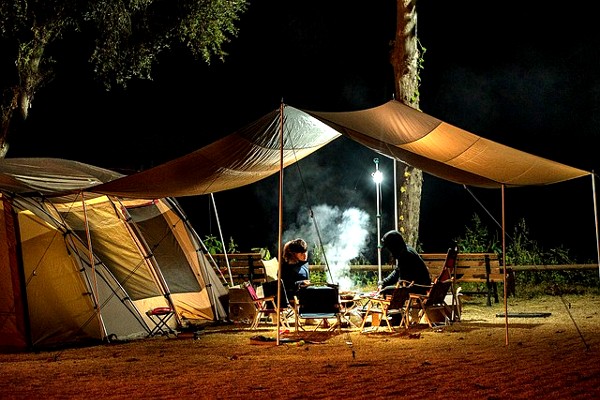
Image by Chulmin1700 at PIxabay
Staying Warm and Dry
Weather can change fast in the wild. Pack layers of clothing to adjust as needed. Thermal underwear keeps you toasty in cold weather.
A rain jacket is a must-have. Look for waterproof, breathable fabrics. Pack extra socks to keep feet dry.
Bring matches in a waterproof container to start fires. Collect dry firewood early in the day. A saw or axe helps cut larger pieces.
Set up a tarp for a dry space to cook and hang out. Angle it to shed rain away from your tent.
Don’t forget toilet paper in a plastic bag to keep it dry. A headlamp or flashlight is vital for nighttime bathroom trips.
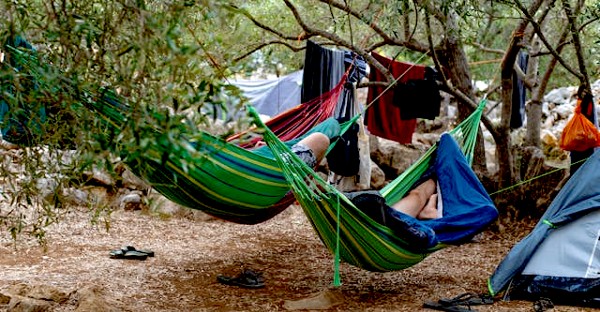
Photo by Filipa Beros
Encountering Wildlife
Be aware of the animals in your area. Store food in sealed containers away from your tent. Use a bear canister if needed.
Make noise while hiking to avoid surprising animals. Carry bear spray in bear country.
Don’t feed wild animals. It’s dangerous for you and bad for them. Keep a safe distance when viewing wildlife.
Know how to spot poison ivy and other harmful plants. Wear long sleeves and pants in tick areas.
Bring a first aid kit for minor injuries. Include treatments for insect bites and stings. Learn basic first aid before your trip.
Pack out all trash to protect nature and avoid attracting animals to your campsite.
Campsite Cooking and Nutrition
Good food is key to a fun camping trip. You’ll need the right gear and know-how to eat well in the great outdoors.

Campfire Cooking Basics
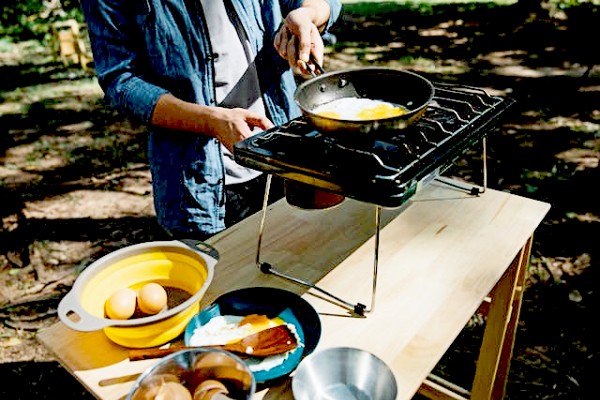
Start with a sturdy camp stove like the Coleman Cascade Classic. It’s easy to use and lets you cook just like at home. Pack a few pots, pans, and utensils too. Don’t forget long-handled spoons and spatulas for safe cooking over the fire.
Bring aluminum foil for easy packet meals. Wrap up veggies, fish, or chicken with some spices. Then place the foil packets on the grill or in the coals.
A Dutch oven is great for one-pot meals. You can make stews, chili, or even bake bread in it. Just be careful – use pot holders when handling hot cookware.
Maintaining a Balanced Diet
Plan your meals before you go. Mix up your food choices to get all the nutrients you need. Bring fresh fruits and veggies that travel well, like apples and carrots.
Pack protein sources like nuts, jerky, and canned beans. These give you energy for hiking and other activities.
Don’t forget whole grains. Oatmeal makes a quick, healthy breakfast. Wraps and tortillas are easy to pack and versatile.
Stay hydrated! Bring plenty of water and refill your bottles often. A water filter can be handy if you’re camping near a stream.
Storing Food and Minimizing Waste
Keep your food safe and fresh in a good cooler. Put ice packs on top of food to keep things cold longer.
Use airtight containers to store leftovers and keep critters away. Hang food in a tree or use bear-proof containers if you’re in bear country.
Bring reusable plates, cups, and utensils to cut down on waste. Wash dishes with biodegradable soap away from water sources.
Pack out all your trash. Use sealable bags for food scraps to avoid smells. A tablecloth can help keep your camp kitchen clean and organized.
Campsite Leisure and Entertainment
Camping isn’t just about roughing it in the wilderness. It’s also about having fun and relaxing. There are many ways to enjoy your time at the campsite, whether you’re looking for adventure or just want to unwind.
Games and Activities
Bring some cards or board games for laid-back entertainment. A deck of cards is small and can provide hours of fun. Frisbee is great for active play in open spaces. It’s lightweight and easy to pack.
Don’t forget about classic camping games like charades or I Spy. These need no equipment and are perfect for all ages. A small musical instrument like a harmonica or ukulele can add some campfire sing-alongs to your trip.
For quiet time, pack a few books or magazines. Reading by lantern light is a cozy way to end the day. Coloring books and pencils are also fun for both kids and adults.
Exploring the Outdoors
Take time to discover the nature around you. A pair of binoculars can help you spot wildlife or get a closer look at distant views. Bring a field guide to identify plants, birds, or stars.
Go on short hikes to explore your surroundings. Look for interesting rocks, leaves, or animal tracks. Just remember to leave nature as you found it.
If you’re near water, try fishing or skipping stones. These simple activities can be very relaxing. You might also want to bring a small magnifying glass to examine insects or plants up close.
Nighttime Leisure
As the sun sets, your campsite comes alive in new ways. Bring headlamps or lanterns for after-dark activities. These will help you move around safely and continue your fun.
Set up a cozy area around the campfire. This is the perfect spot for storytelling, roasting marshmallows, or just chatting. Bring comfy camp chairs or logs to sit on.
Stargazing is a magical nighttime activity. Lay out a blanket and look up at the night sky. Try to spot constellations or planets. If allowed, hang a hammock between trees for a unique way to relax under the stars.
Keep noise down at night out of respect for other campers and wildlife. Quiet games or soft music can be nice ways to wind down before bed.
Eco-Friendly Camping Practices
Camping is fun, but it’s important to take care of nature too. You can enjoy the outdoors while being kind to the environment. Here are some easy ways to camp without harming nature.
Leave No Trace Principles
Leave No Trace is all about being a good guest in nature. Plan ahead and pack smart. Bring only what you need. Camp on durable surfaces like rocks or dry grass. Don’t damage plants or trees.
Keep your campsite clean. Use biodegradable soap to wash up. Don’t leave any trash behind. Take pictures, but leave nature as you found it. This way, others can enjoy it too.
Small actions add up. By following these rules, you help keep wild places beautiful for everyone.
Waste Management and Recycling
Dealing with trash is a big part of eco-friendly camping. Bring reusable items like water bottles and plates. This makes less waste. Pack trash bags to collect your garbage.
Sort your waste into recyclables and trash. Many campgrounds have recycling bins. If not, take recyclables home with you. Use a sponge instead of paper towels for cleaning.
Food scraps can attract animals. Store food safely and pack out all leftovers. Never burn trash in your campfire. It can release harmful chemicals.
Respecting Wildlife and Flora
Nature is home to many plants and animals. It’s important to respect their space. Watch animals from a distance. Don’t feed them or try to pet them. This keeps them wild and healthy.
Be careful where you walk. Stick to trails to avoid crushing plants. Don’t pick flowers or take plants home. They’re part of the ecosystem.
Use bug spray to keep insects away, but choose eco-friendly options. They work well without harming other creatures. Keep your distance from nests and dens. Animals need their homes just like you do.