

As electric vehicles (EVs) gain traction, they’re reshaping the automotive landscape.
But how exactly are they influencing car design? Let’s dive into the details.
The “Skateboard” Revolution
Traditional fossil-fuel-powered cars have a complex arrangement of components: engines, fuel tanks, radiators, and exhaust pipes. In contrast, EVs often rely on a unified, flat platform known as the “skateboard.”
This platform houses the battery pack and motors, allowing for greater flexibility in design.
Imagine a canvas where automakers can paint new shapes beyond the conventional car silhouette.
Lighting the Way
EVs embrace new-age LED lighting. These systems enhance safety and efficiency while adding a touch of futuristic flair.
Think about how sleek LED headlights and taillights make EVs stand out at night. It’s like a scene taken straight out of Blade Runner.
Still, it’s not just about aesthetics. It’s about visibility and energy efficiency.
Weighty Matters
Electric cars are bigger and heavier due to their substantial components. The battery pack alone can be a hefty load.
But this weight distribution also affects design. EVs often have a lower center of gravity, which impacts handling and stability.
Designers must strike a balance between form and function, ensuring both safety and aesthetics.
Interior Space
The absence of a bulky engine up front creates more cabin space. EVs can reimagine seating arrangements, making interiors roomier and more versatile.
Whether it’s a cozy family road trip or a cargo-hauling adventure, EVs offer flexibility without compromising comfort.
The Frunk Phenomenon
The empty front end of an EV is also practical. The “frunk” (front trunk) provides extra storage space you can use to stash groceries, gym bags, or even a small picnic cooler. It’s a clever use of space that adds convenience and simplicity.
Charging Considerations
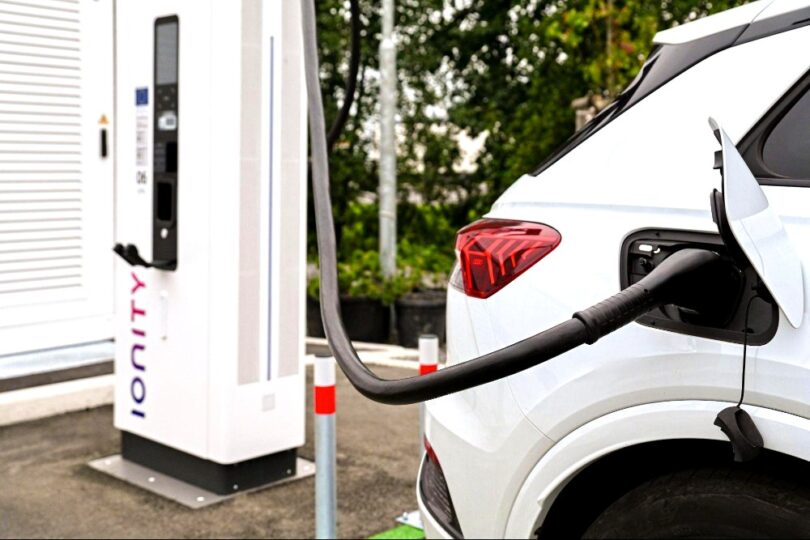
As EVs become more common, designers are also thinking about how to integrate charging seamlessly. This includes everything from the location of charging ports to the infrastructure needed to support EVs.
- Hidden charging ports: Many EVs have cleverly concealed charging points.
- Wireless charging: Some manufacturers are exploring wireless charging pads.
- Vehicle-to-grid technology: Future EVs might be able to give power back to the grid.
Also, speaking of infrastructure, did you know that commercial EV charger installation is becoming a hot topic for businesses and cities? It’s all part of making EVs more practical for everyday use.
Conclusion
As EV technology evolves, so will car design. We’re witnessing the early stages of a transformation that will redefine how vehicles look and feel.
So, next time you see an EV on the road, appreciate the subtle design choices that make it both familiar and futuristic.
And who knows? Maybe someday we’ll all be driving sleek, efficient skateboards with frunks!