
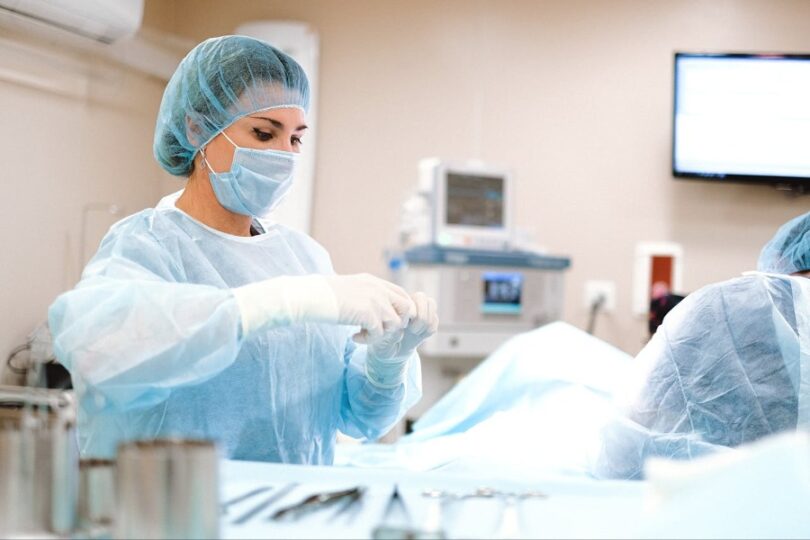

Considering a facelift can be a significant decision, especially in a bustling city like Toronto where options abound. Before embarking on facelift surgery in Toronto, it is crucial to understand the procedure, associated costs, and recovery times. Toronto’s competitive cosmetic surgery market means there are varying price points, techniques, and levels of expertise to consider.
A facelift involves tightening and lifting multiple layers of facial tissue to enhance a youthful appearance. Potential candidates often have questions about the procedure’s effectiveness in reducing visible signs of aging.
Postoperative care is another critical aspect that shouldn’t be overlooked. Planning for adequate rest and understanding the recovery timeline can significantly impact the surgery’s success and your overall confidence. Knowing these details in advance can help ease any concerns and ensure you have a smoother experience.
Key Takeaways
- Consult reputable surgeons and review before and after photos.
- Understand the procedure and recovery times for facelift surgery in Toronto.
- Prepare for postoperative care to ensure a smooth recovery.
Understanding Facelift Surgery in Toronto
Facelift surgery in Toronto involves various types and techniques tailored to individual needs. For successful outcomes, understanding the entire process from consultation to surgery is crucial.
Initial Consultation and Assessment
The initial consultation is a critical step in the facelift procedure. During this in-person consultation, the surgeon will review the patient’s medical history, discuss any underlying medical conditions, and assess their overall health.
They will examine the skin’s elasticity, jawline definition, and facial structure to determine if the patient is a good candidate for surgery. Patients can expect to discuss their goals and expectations, while the surgeon provides detailed information on what can be achieved. Photos may be taken to help plan the surgery and visualize the expected results.
Facelift Procedure Types and Techniques
Facelift procedures can vary significantly, and Toronto offers several advanced techniques. A full facelift addresses extensive sagging by targeting deeper facial layers. The mini facelift is less invasive, focusing on early signs of aging.
Surgeons may also opt for a deep plane facelift, which repositions the muscular layer and fat pads for a more natural appearance. The SMAS facelift targets the superficial musculoaponeurotic system layer, providing mid-to-lower face improvements. An endoscopic facelift involves smaller incisions and is often preferred for less extensive lifting.
Criteria for Eligibility
Determining eligibility for a facelift involves multiple factors. Ideal candidates are generally in good health, with no serious medical conditions that could impair healing. Potential candidates should have some skin elasticity and a well-defined jawline to achieve optimal results.
Age is also a consideration, though not a strict determinant. The surgeon will evaluate skin quality, muscle tone, and other facial characteristics. Patients must avoid smoking and refrain from specific medications that could increase bleeding risks. Ultimately, a comprehensive health assessment during the consultation ensures that the patient is a suitable candidate for the chosen facelift procedure.
Postoperative Considerations and Care
After undergoing facelift surgery in Toronto, patients must focus on careful postoperative care to ensure optimal recovery and results. Key considerations include managing swelling and bruising, following medication guidelines, and maintaining a proper skincare routine.
Recovery and Downtime
Facelift recovery involves a combination of bed rest and gradual reintroduction of daily activities. Initially, patients can expect significant swelling and bruising. Applying cold compresses helps reduce these symptoms. Keeping the head elevated minimizes fluid accumulation and encourages faster healing.
Patients often experience numbness and tingling in treated areas. This sensation usually subsides within a few weeks. Adherence to prescribed pain medications and antibiotics is essential to prevent infection and manage discomfort. Light activities can typically resume within 10 to 14 days, although full recovery and return to strenuous activities might take several weeks. Regular follow-up appointments with the surgeon ensure progress and address any concerns.
Maintaining and Enhancing Results
Long-lasting results from a facelift depend on several factors, including proper skin care and lifestyle choices. Using sunscreen daily is crucial to protect the skin and prevent premature aging. A comprehensive skincare regimen, including moisturizers and products that promote collagen and elasticity, helps maintain the skin’s youthfulness.
Patients should avoid smoking and limit alcohol consumption, as these can negatively affect skin health. Staying hydrated and consuming a balanced diet rich in vitamins and antioxidants supports overall skin vitality. For those seeking further enhancement, non-invasive treatments such as chemical peels or laser therapy may be recommended to complement surgical outcomes. By adhering to these guidelines, patients can enjoy prolonged and enhanced facelift results.
Conclusion
Embarking on facelift surgery in Toronto comes with many factors to consider. It’s important to ask relevant questions, understand the types of procedures available, and recognize the costs and recovery times. Consulting with a qualified plastic surgeon will help ensure the best results tailored to individual needs. Careful planning and research can lead to a successfully rejuvenated appearance.