



Are you feeling overwhelmed by debt? You’re not alone. In today’s challenging economy, many people find themselves struggling with multiple loans, credit card balances, and mounting interest rates. But there’s hope. Understanding how to navigate loan options isn’t just about borrowing money, it’s about taking control of your financial future.
Whether you’re considering debt consolidation, looking to improve your credit score, or seeking ways to manage your existing loans more effectively, this guide is your roadmap to financial freedom. In this blog, we’ll explore key factors to consider when evaluating loan options, empowering you to make confident choices and take control of your financial future.
Identifying Your Financial Needs
Before diving into the world of loans, it’s crucial to accurately assess your financial needs. This step is fundamental in avoiding one of the most common pitfalls: overborrowing.
Why is this important? Consider this: 41% of personal loan borrowers seek loans primarily for debt consolidation. This statistic highlights a significant trend – many people turn to loans to manage existing financial obligations rather than for new expenses or investments.
To identify your financial needs:
- List your financial goals: Are you looking to consolidate debt, finance a major purchase, or invest in your education?
- Quantify the amount: Determine exactly how much money you need to achieve your goal.
- Assess your current financial situation: Look at your income, expenses, and existing debts.
- Consider alternatives: Are there other ways to meet your financial needs without taking on new debt?
To begin, assess your current financial situation and determine the specific type of loan that best suits your needs, whether it’s for consolidating debt, financing a large purchase, or covering unexpected expenses.
In Indiana, there are numerous loan options available to residents. Local banks and credit unions often offer competitive rates and personalized service. Additionally, online lenders can provide convenience and a broader range of options. It’s important to research and compare various lenders, focusing on interest rates, repayment terms, and any associated fees.
Seeking advice from local financial experts can provide valuable insights tailored to the state’s economic environment. For those struggling with multiple debts, Indiana Debt Help Services can offer guidance on consolidating loans and managing repayments more efficiently.
Overview of Common Loan Types
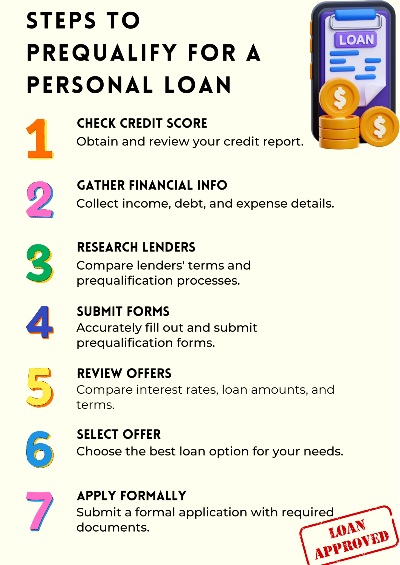

Understanding the various types of loans available is crucial for making informed borrowing decisions. Each loan type serves specific purposes and comes with unique terms and conditions. Let’s explore the most common loan types:
Personal Loans
Personal loans are versatile financial products that can be used for a wide range of purposes, from debt consolidation to financing large purchases.
- Average loan amount: $11,773
- Typical terms: 2-7 years
- Interest rates: Vary widely based on credit score and lender, typically ranging from 6% to 36%
Personal loans are usually unsecured, meaning they don’t require collateral. This makes them accessible but often results in higher interest rates compared to secured loans. They’re popular for debt consolidation, with 54.3% of borrowers using them for this purpose.
Home Equity Loans
Home equity loans allow homeowners to borrow against the equity they’ve built in their property. This type of loan can be an excellent option for funding home improvements or other large expenses.
- Loan-to-value ratio: Typically up to 80-85% of home equity
- Terms: Often 5-30 years
- Interest rates: Generally lower than personal loans due to being secured by property
Because these loans use your home as collateral, they often offer lower interest rates than unsecured loans. However, this also means your home is at risk if you fail to repay the loan.
Student Loans
Designed specifically for educational expenses, student loans come in federal and private varieties. They help students finance their education when savings and scholarships aren’t sufficient.
- Federal loan limits: Vary based on year in school and dependency status
- Private loan amounts: Often up to the total cost of attendance
- Repayment terms: Can range from 5-30 years
Federal student loans often offer more flexible repayment options and lower interest rates compared to private student loans. The average student loan debt has been steadily increasing, with 61% of 2022 graduates having borrowed.
Business Loans
For entrepreneurs and business owners, business loans provide capital for various needs, from startup costs to expansion and working capital.
- Average loan amount: Approximately $663,000 for small businesses
- Terms: Can range from short-term (less than a year) to long-term (20+ years)
- Interest rates: Vary based on loan type, business creditworthiness, and market conditions
Business loans can be secured or unsecured and come from various sources, including banks, credit unions, and online lenders. The approval process often involves a thorough evaluation of the business’s financial health and potential.
Mortgage Loans
Mortgage loans are specifically designed for purchasing real estate, typically a home. They are long-term loans secured by the property being purchased.
- Typical terms: 15 or 30 years
- Interest rates: Vary based on market conditions, loan type, and borrower creditworthiness
- Loan-to-value ratio: Often up to 80% of the home’s value, though some programs allow higher ratios
Mortgages can be fixed-rate or adjustable-rate, each with its advantages depending on the borrower’s needs and market conditions.
Understanding these loan types is the first step in navigating your options. Each serves different needs and comes with its own set of considerations. As you explore these options, remember to consider how they align with your financial goals and current situation.
Factors to Consider When Choosing a Loan
Selecting the right loan involves more than just finding the lowest interest rate. Several key factors play a crucial role in determining the overall impact of a loan on your financial health.
Interest Rates
Interest rates significantly impact the total amount you’ll repay over the life of the loan. As economic conditions fluctuate, so do average personal loan APRs. Currently, rates can range from around 6% for excellent credit to over 30% for poor credit.
Fixed rates offer predictability, with your interest rate remaining constant throughout the loan term. This can be advantageous in a rising rate environment. Variable rates, on the other hand, may start lower but can fluctuate over time, potentially leading to higher costs if market rates increase.
The Annual Percentage Rate (APR) is a better measure of loan cost than the interest rate alone. It includes the interest rate plus any fees or additional costs associated with the loan, giving you a more accurate picture of the total cost of borrowing.
Loan Terms
The length of your loan affects both your monthly payments and the total interest paid. Shorter terms typically come with higher monthly payments but result in less total interest paid over the life of the loan. This can lead to faster debt freedom but may strain your monthly budget.
Longer terms offer lower monthly payments, making them more manageable for your cash flow. However, they often result in paying more in total interest over time. It’s crucial to find the right balance between affordable monthly payments and minimizing the overall cost of the loan.
Fees and Penalties
Look beyond the interest rate to understand the full cost of the loan. Common fees include:
- Origination fees: A percentage of the loan amount, often deducted from the loan proceeds.
- Prepayment penalties: Charges for paying off the loan early, which can offset the savings from early repayment.
- Late payment fees: Additional charges for missing payment due dates.
- Annual fees: Yearly charges for maintaining the loan, more common with certain types of credit products.
Always calculate the total cost of the loan, including all fees, before making a decision. Some loans with lower interest rates may be more expensive when fees are factored in.
The Role of Credit Scores in Loan Options
Your credit score plays a pivotal role in determining not only your loan eligibility but also the terms you’ll receive. Understanding this relationship can help you secure better loan options and maintain financial control.
Consider this striking statistic: A credit score of 700 or above can yield interest rates that are 1.5% to 2% lower than those for borrowers with scores below 600. This difference might seem small, but it can translate to thousands of dollars saved over the life of a loan.
Credit Score Ranges and Their Impact:
| Credit Score Range | Loan Eligibility | Interest Rate Impact |
| 800-850 (Excellent) | Highest approval odds | Lowest rates available |
| 740-799 (Very Good) | Strong approval odds | Very competitive rates |
| 670-739 (Good) | Good approval odds | Average rates |
| 580-669 (Fair) | May require collateral | Higher than average rates |
| Below 580 (Poor) | Limited options | Highest rates, if approved |
Improving Your Credit Score for Better Loan Terms
Given the significant impact of credit scores on loan terms, improving your score before applying for a loan can lead to substantial savings. Here are some strategies:
- Pay bills on time: Payment history is the most significant factor in your credit score.
- Reduce credit utilization: Aim to use less than 30% of your available credit.
- Keep old accounts open: Length of credit history positively impacts your score.
- Limit new credit inquiries: Too many hard inquiries can temporarily lower your score.
- Diversify your credit mix: Having different types of credit (e.g., credit cards, installment loans) can positively impact your score.
A good credit score is a powerful tool in negotiating better loan terms. It’s worth investing time to improve your score before seeking a loan.
Navigating Loans with Financial Advisors
In the complex world of loans and financial products, the expertise of a financial advisor can be invaluable. With 48% of small businesses reporting unmet financing needs, often due to poor loan choices, professional guidance can make a significant difference in achieving your financial goals.
The Role of Financial Advisors in Loan Decisions
Financial advisors offer a perspective on your financial situation. They assess your income, expenses, assets, and long-term goals to determine the most suitable loan options for your needs.
These professionals stay updated on current market trends and loan products. Their knowledge can help you navigate the often confusing array of loan offers and terms available in the market.
Advisors can also assist in preparing loan applications, increasing your chances of approval. They know what lenders look for and can help you present your financial profile in the best light.
Benefits of Professional Financial Advice
One key advantage of working with an advisor is their ability to analyze the long-term impact of a loan on your financial health. They can project how different loan terms might affect your future financial stability and goals.
Advisors often have established relationships with various lenders. This network can sometimes lead to better loan terms or access to products you might not find on your own. They can also help you understand the fine print in loan agreements. This guidance can prevent you from agreeing to unfavorable terms that could cause financial stress down the line.
Choosing the Right Financial Advisor
When selecting a financial advisor, look for credentials such as Certified Financial Planner (CFP) or Chartered Financial Analyst (CFA). These certifications indicate a high level of expertise and adherence to ethical standards.
Consider the advisor’s experience with loan products similar to what you’re seeking. An advisor well-versed in mortgages might not be the best choice if you’re looking for a business loan.
Understand the advisor’s fee structure upfront. Some work on a commission basis, while others charge a flat fee or hourly rate. Choose a structure that aligns with your needs and budget.
To get the most out of your relationship with a financial advisor, be prepared to share detailed information about your financial situation. The more transparent you are, the better advice you’ll receive.
Set clear goals for what you want to achieve with the loan. This clarity will help your advisor recommend the most appropriate loan options and strategies. Don’t hesitate to ask questions about their recommendations. A good advisor will be able to explain their rationale in terms you can understand.
When to Seek Advice
Consider consulting a financial advisor when:
- You’re contemplating a large loan, such as a mortgage or business loan
- You’re struggling to choose between multiple loan offers
- You need to improve your financial situation to qualify for better loan terms
- You’re considering debt consolidation or refinancing existing loans
With the expertise of a financial advisor, you can make more informed decisions about loans, potentially saving money and avoiding financial pitfalls in the long run.
Conclusion
Take the first step towards better financial control today:
- Assess your current financial situation and needs.
- Check your credit score and take steps to improve it if necessary.
- Research loan options using comparison tools.
- Consider consulting with a financial advisor for personalized guidance.
By taking these actions, you’re not just preparing to navigate loan options – you’re setting the foundation for a stronger financial future.
Remember, the goal isn’t just to secure a loan, but to use borrowing as a tool to enhance your overall financial well-being. Whether you’re consolidating debt, financing a major purchase, or investing in your future, the right loan approach can be a stepping stone to greater financial control and success.
FAQs
What is the best type of loan for someone with a low credit score?
The best type of loan for someone with a low credit score is often a secured loan, such as a secured credit card or a car loan. These loans use collateral to reduce the lender’s risk, potentially offering better terms. Credit-builder loans or loans from credit unions may also be more accessible. Payday loans should be avoided due to their high interest rates and fees.
How can I improve my chances of getting a loan with favorable terms?
To improve your chances of getting a loan with favorable terms, focus on improving your credit score. Pay bills on time, reduce existing debt, and correct any errors on your credit report. Save for a larger down payment, as this can lower your interest rate. Consider finding a co-signer with good credit. Shop around and compare offers from multiple lenders to find the best terms available.
What should I do if I can’t make a loan payment on time?
If you can’t make a loan payment on time, contact your lender immediately. Many lenders offer hardship programs or can adjust your payment schedule. Ignoring the problem will only make it worse. Consider prioritizing your debts, cutting unnecessary expenses, or finding additional income sources. If your financial difficulties are long-term, you might need to explore debt consolidation or credit counseling services for solutions.