
Choosing the perfect bag can seem like a daunting task, especially with the plethora of options available in the market. Whether you’re looking for a functional work bag, a trendy tote, or a chic evening clutch, the right choice can elevate your style while meeting your needs. This guide aims to simplify the buying process by providing you with essential tips and insights, helping you make an informed decision, and finding a bag that perfectly complements your lifestyle and wardrobe.
Identifying Your Needs
Before diving into the myriad of options available, it’s crucial to identify what you need in a bag. Consider factors like frequency of use, purpose, and the type of items you’ll be carrying. Are you searching for an everyday bag that can hold your essentials or a statement piece for special occasions? Knowing your requirements can significantly narrow down your choices, making the process less overwhelming. For instance, a busy professional may benefit from a structured tote with ample compartments to organize gadgets, documents, and personal items.
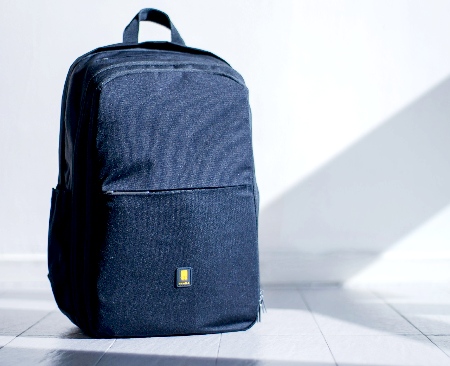
Photo by Sun Lingyan
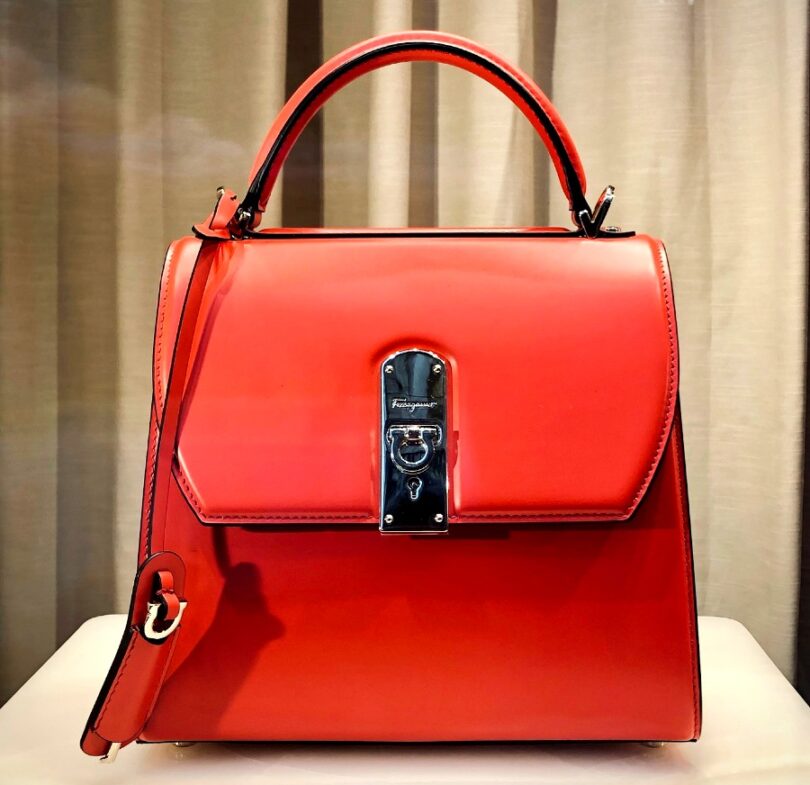
Meanwhile, a student could look for a more casual yet spacious backpack to accommodate books, a laptop, and other study materials. Understanding your specific needs will guide you in selecting a bag that not only fits your lifestyle but also complements your day-to-day activities. You can discover designer pre-loved Vanity bags or other high-quality options that cater to your needs. Also, keep in mind that your needs may change over time, so it’s essential to have a versatile bag collection for different occasions.
Choosing the Right Material
The material of the bag significantly influences its durability, appearance, and maintenance. Common materials include leather, canvas, and synthetic fabrics, each offering unique attributes. Leather bags are renowned for their timeless elegance and longevity, while canvas bags provide a more relaxed, durable option that’s typically easier to clean.
When deciding on the material, think about the bag’s intended use. A leather bag might be ideal for professional settings or formal events, exuding sophistication and style. Conversely, a canvas bag could serve well for casual outings or travel, offering a sporty yet fashionable look. By selecting the appropriate material, you ensure the bag’s longevity and relevance to various occasions.
Considering Size and Capacity
Size and capacity are critical aspects to keep in mind during your search for the perfect bag. A bag that’s too small might leave you struggling to fit all your essentials, while one that’s too large can be cumbersome to carry. Assess what items you typically carry daily and match this to the bag’s dimensions and compartments.
For example, if you often carry a laptop, notebooks, and a water bottle, opting for a medium-to-large size bag with multiple pockets and sections will keep you organized and efficient. On the other hand, for nights out or minimalist lifestyles, a compact clutch or crossbody bag may be just what you need to carry only the bare essentials. The goal is to find a balance between aesthetics and practicality to suit your everyday needs.
Evaluating Style and Design
Once functional aspects are covered, it’s time to focus on style and design, which are pivotal in ensuring the bag aligns with your fashion sense. Bags come in various designs, such as slings, totes, clutches, and backpacks, each bringing a different vibe to your overall look.
Think about your wardrobe and the occasions for which you need the bag. A sleek, minimalistic design might match a contemporary wardrobe and be versatile enough for both work and social events. On the other hand, a bold, detailed bag can be a statement piece, adding a touch of uniqueness to any outfit. Aligning the bag’s style and design with your fashion preferences ensures it will be a cherished accessory rather than a rarely-used item.
Budgeting and Investment
Your budget is an essential factor to consider when purchasing a bag. While it’s often tempting to splurge on high-end designer pieces, there are also numerous high-quality, affordable options available. Evaluating how much you are willing to spend can help set realistic expectations and streamline your choices.
Consider viewing your bag not just as an accessory but as an investment. Higher-end bags often offer superior craftsmanship, materials, and longevity, making them worthwhile investments for frequent use. On the other hand, fast fashion options allow for variety without breaking the bank. Assessing the cost versus value and how frequently you will use the bag can help guide your purchasing decision, ensuring you get the most bang for your buck.
Choosing the right bag involves a thoughtful balance of functionality, style, and budget. By identifying your specific needs, selecting the right material, considering size and capacity, and evaluating style and design, you can make an informed decision that aligns with your lifestyle and personal taste.
Whether you decide on a high-end designer piece or an affordable option, the key is to invest in a bag that complements your wardrobe and enhances your daily activities. Remember, the perfect bag is not just a fashion statement but a practical accessory that serves your needs and stands the test of time.
Feature photo by Arno Senoner