
Caring for our furry friends becomes even more crucial as they grow older. Just like humans, dogs face various health challenges as they age. This comprehensive guide covers essential tips and best practices to ensure your senior dog remains healthy and happy.
Understanding the Aging Process in Dogs
Aging is a natural process that every living being undergoes. For dogs, this process can bring about both physical and mental changes. Recognizing these changes can help you provide the best care for your aging canine. One of the first signs of aging in dogs is a decrease in energy levels. You might notice that your dog is less playful and more likely to nap throughout the day. Additionally, older dogs may develop gray hair around their muzzle and eyes. It’s also common for older dogs to experience joint stiffness, which can make movements slower and more deliberate. Cognitive decline is another aspect of aging in dogs. You might observe that your dog appears confused or disoriented at times. They may also have trouble remembering routines or commands they once knew well. These cognitive changes can be distressing, but understanding them is the first step in managing them. Aging dogs are more prone to health issues such as arthritis, dental problems, and weight gain. Regular veterinary check-ups become increasingly important as your dog ages to catch any potential problems early.
Regular Veterinary Check-ups are Essential
Regular visits to the vet are crucial for maintaining your dog’s health as they age. These check-ups can help identify any emerging health issues and ensure they receive appropriate treatments. It’s recommended that senior dogs visit the vet at least twice a year. These visits allow for thorough physical examinations, blood tests, and other diagnostics to monitor your dog’s overall health. Early detection of health issues can make a significant difference in your dog’s quality of life. Conditions such as arthritis, diabetes, and kidney disease can be managed more effectively when caught early. Your vet can help create a tailored care plan for your aging dog. This plan may include dietary recommendations, exercise modifications, and specific treatments to address any health concerns.
Feed Them with Raw Food
Nutrition plays a vital role in the health and well-being of aging dogs. Feeding them a balanced and nutritious diet can help alleviate some of the common health issues associated with aging. A raw food diet can be particularly beneficial for senior dogs. Raw food diets often contain fewer preservatives and fillers, making them easier to digest. They also provide essential nutrients that can boost your dog’s immune system and overall health. Older dogs often suffer from digestive issues. A raw food diet can help improve digestion and reduce gastrointestinal problems. Nutrition can be powerful in preventing and alleviating various health concerns, as taken from a Canine Nutritionist at ProDog Raw; maintaining a healthy weight is crucial for aging dogs. Raw food diets can help manage weight by providing balanced nutrition without excess calories. This can reduce the risk of obesity and related health issues.
Maintaining Dental Health
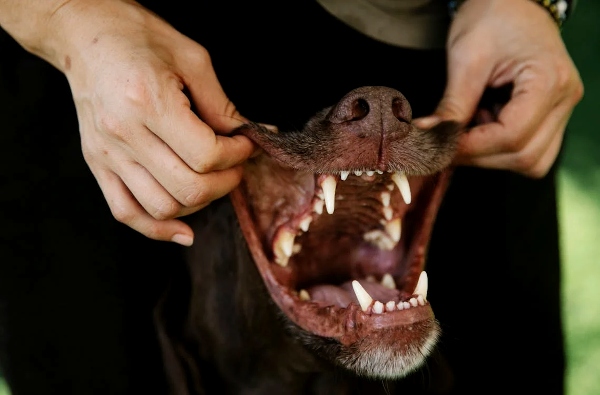
Dental health is often overlooked but is incredibly important for aging dogs. Poor dental hygiene can lead to serious health problems, including heart disease. Regular teeth cleaning is essential for preventing dental issues. You can brush your dog’s teeth at home using a canine toothbrush and toothpaste. There are also dental chews and toys designed to promote oral health. In addition to home care, professional dental check-ups are important. Your vet can perform thorough cleanings and identify any issues that need attention. Regular dental exams can prevent tooth loss and other complications. A healthy diet can also contribute to good dental health. Crunchy foods and raw bones can help keep your dog’s teeth clean by reducing plaque buildup.
Ensuring Adequate Exercise
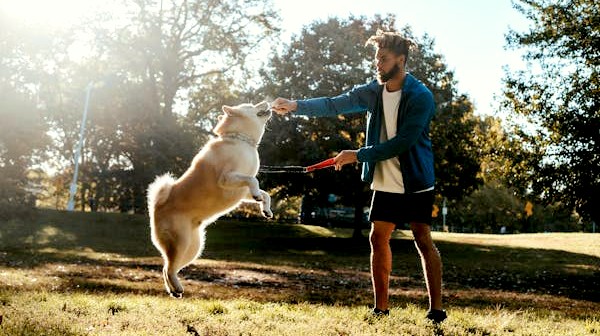
Exercise is crucial for maintaining your dog’s physical and mental health, even as they age. Tailoring their exercise routine to their changing needs can help keep them active and healthy. Older dogs may not be able to handle strenuous activities, but low-impact exercises can be beneficial. Gentle walks, swimming, and playing with soft toys can keep them active without putting too much strain on their joints. Mental stimulation is just as important as physical exercise. Puzzle toys, training sessions, and interactive games can keep your dog’s mind sharp and prevent cognitive decline Consistency is important when it comes to exercise. Try to maintain a regular exercise routine that suits your dog’s abilities and energy levels. This can help them stay active and engaged.
Caring for an aging dog requires attention, compassion, and a proactive approach to their health and well-being. Remember, your furry friend has been there for you through thick and thin—it’s now your turn to make their golden years truly golden.
Feature photo by Muhannad Alatawi.